
TERRA magazine: Editor's Letter
Football doesn't live in stadiums. Not really. That's football at its most visible, not always at its most vital.
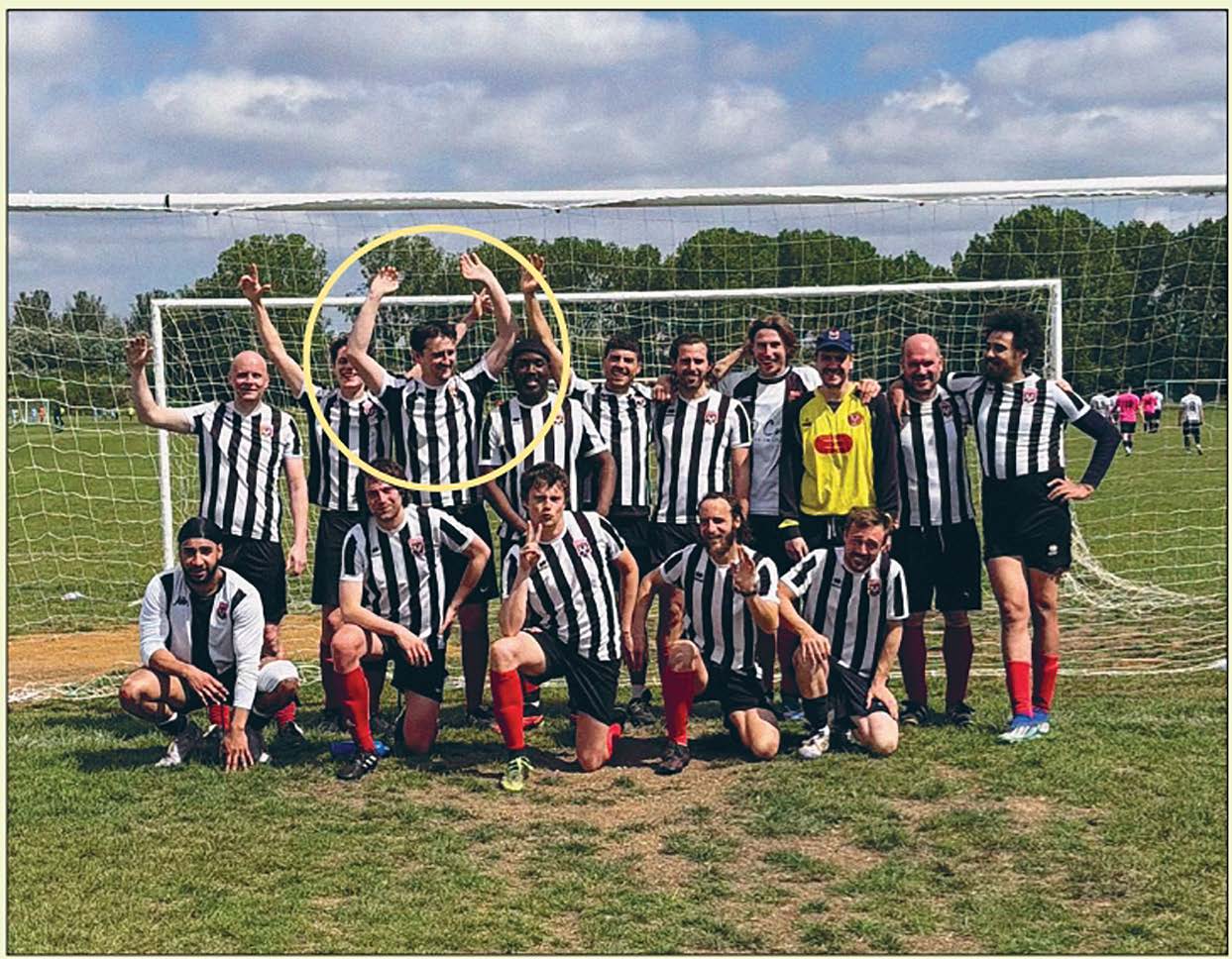
Football lives on Hackney Marshes, where thousands of grassroots players have descended on East London for almost a century, regardless of the weather or the state of their hangover. It lives on a cage pitch in Casablanca, where female street footballers can dream and feel free. On a dusty field in the shadow of a mountain in Northern Pakistan, and in a makeshift pitch in the Brazilian rainforest, where indigenous people use the game to hold onto who they are. You'll find it in chaotic favela tournaments in São Paulo, and on seven-a-side pitches in Liverpool where those in recovery find meaning in a Thursday kickabout. You'll even find it at Arsenal, where the biggest title win in a generation became a celebration not just of performance, but of place — of being right here, right now.
Although the relentless noise surrounding the top level of the game has made it easy to forget; football is grounded in community, and in the places where communities come together. Jumpers for goalposts. Parks and concrete. The brilliant and the hopelessly untalented, side by side. That's where football lives.
But those places are under real threat.
And when extreme weather, flooding, or toxic air wipes out a game, it's not just ninety minutes that's lost. It's seeing your friends. It's your weekly run-out. It's the thing that gets you out of your head for a couple of hours. For millions of people across the world, football — played or watched, in parks or stadia, week in, week out — is a lifeline. And it rests entirely on the places where it happens.
That's what Where Football Lives is all about. The stories in this first issue of TERRA are unapologetically grassroots, but they point to something universal: defending where football lives from extreme weather isn't about keeping football's machinery running. It's a genuine act of cultural preservation.
That's why Count Us In is telling these stories here, in a football magazine, rather than anywhere else. For years we’ve used culture to bring environmental stories to new audiences. Because we know climate action doesn't take root in activist spaces — it takes root in the places people already know and love. And for billions of people, that place is football. These pages are for them. If you love the game, help protect it.
Read the stories, marvel at Alex Mertekis’ design work and then flip to the back to find out more about what we do, why we do it, and how you can get involved.
All the best,
Matt O’Connor-Simpson, Editor-in-Chief



CUI – Count Us In Limited está registrada en Inglaterra con el número de compañía 13199784, y opera como Count Us In bajo el número de organización benéfica 1195686.