
TERRA magazine: Football isn’t just a sport people consume. It’s a place they live.

Over the course of several weeks, we had in-depth conversations with 25 fans from all over the world about what football meant to them — men and women, old and young; people who play, people who watch, people who organise, people who grew up with the game and people who came to it late.
And what seemed on the surface like a simple enough question began to reveal connections as unique as the people themselves.
We spoke to a young man who found non-league football as a way to come to terms with his neurodivergence and to a retired couple in the north of England who’ve sat in the same seats at Derby County for decades and count the people around them as family friends. We spoke to people for whom football was a way to cope with death and divorce, with illness and addiction, with shaking off the shackles of a job they despised and with the very particular kind of eyeball-rattling brain-rot that comes from staring at a glowing metal rectangle superglued to your hand all day.
None of these people saw the link between climate change and football at first. But all of them — every single person we spoke to — understood what was at stake if extreme weather conditions put their game at risk.
From there, the link became crystal clear. We didn’t go into our research with assumptions to confirm. We just went in looking to understand what makes people gravitate towards football and how we can best communicate the very real threats to the sport fans hold so close to their hearts.
Because the thing we’re trying to protect — the social fabric that football holds together, the green spaces it grows from, the communities it anchors — belongs to the people who live inside it. And you don’t make decisions about someone’s home without asking them first. What we heard, over and over, was the same story told in different accents.
Three distinct themes emerged. And together, they have shaped our approach — grounding the abstract in the personal: from how football needs to become more climate-resistant to how fans need a more climate-resistant football.
01 — Football as social infrastructure

The game’s value isn’t in the 90 minutes. It’s in everything that hangs off them — the structure it gives a week, the conversations it makes possible, bonds it forms and the barriers it breaks. It becomes an invisible support network without anyone ever calling it that…
“Funny thing to say, but football matches are like funerals that happen every other week. You get to a certain age and, at a funeral, you say ‘We should get together more’. With us — the match is the reason we do.” — Everton fan
“We’re a team of amateurs. A group of strangers who win and lose together and at the end of it, we go get dinner either way.” — Sunday League player
Football is one of the few things that gets us out of the house and into the same room as other people. It is — in the words of several fans we spoke to — a ritual. Not in that “Do you put your left sock on before your right?” nonsense. But miss one game and you miss your mates, miss a run of them and you can feel the ground shift under you. That’s real.
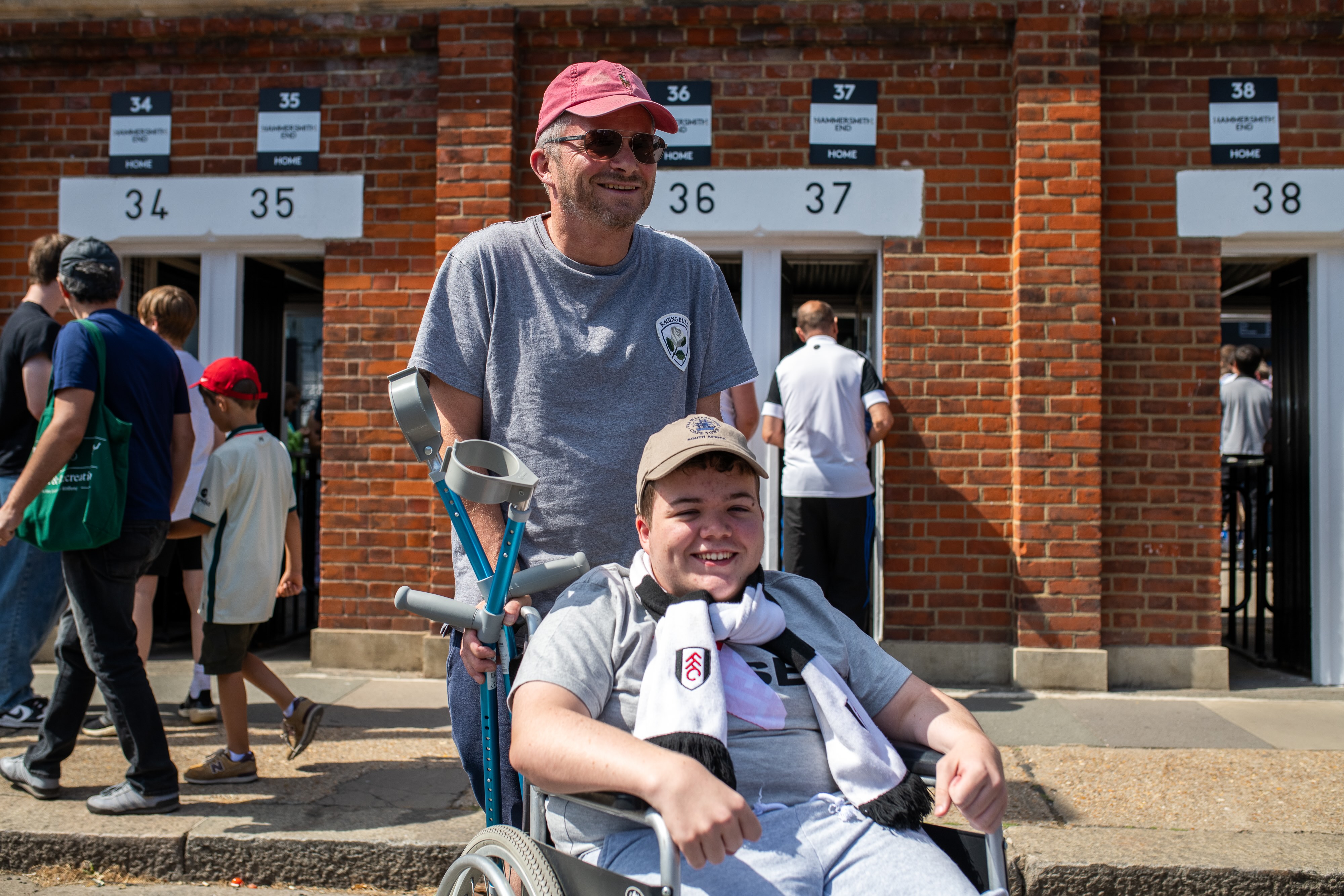
The game provides what no doctor can prescribe: consistent, effortless contact with other people. Fans described games that were, on paper, boring. Not every team can be a winner. But for many, sport is often about something else entirely — old friendships, shared memory, the comfort of showing up somewhere you’re expected.
.jpeg)
For many of us, playing football is the only time we’re not checking our phone. The only time our brain actually switches off. You head out into the cold — even if you’re on the bench or just watching your mates from the sideline — you’re locked into every kick. Even Premier League football struggles to hold our attention that way.
Football can create low-stakes small talk that opens into real conversations. As one fan put it, “Once you’ve cleared the first hurdle of talking about why Danny Mills can’t run anymore — you move on to ‘how are you, really?’” For him, it provides people a safe, judgement-free environment in which to talk.
02 — Hyperlocality

We love football wherever we might find it. But what really sticks with us — the thing that makes us really care — is not found in the abstract. It’s in a love we have for a specific pitch, a particular meeting place, a route to a ground we’ve walked so many times we’ve stopped noticing it and it becomes pure muscle memory.
“Hackney Marshes used to have 77 pitches. Now it’s got 58. That’s not just a number. That’s significantly less Sunday mornings people were counting on.” — Sunday League player
“Without the football club, we’d lose the last bastion of community spirit — where people can get together for a drink in the name of something. In the name of connection that nothing else gives you.” — Welsh fan
The places where football lives — the parks and pitches and small stadia — are under pressure. In winter, floods close grounds. In summer, heat makes pitches unplayable. Councils cut maintenance. These are not abstract climate statistics. They are the slow removal of specific places that specific people depend on.

The loss of a local pitch is not initially felt as an “environmental issue” — but it can be with the right framing. Instead of seeing issues like flooded pitches as a “climate story”, fans interviewed instinctively framed them as a “football story”. Broad threats like “rising sea levels” can feel distant or impersonal. Whereas when we moan about how a rain-cancelled match ruins our whole weekend, the threat becomes immediate and visceral and very real.
The meaning of grassroots spaces is about more than just a place to play. One fan we spoke to — a Midlands-born, Pakistan-raised Muslim woman — said she doesn’t always feel welcome in traditional football environments. To her, outdoor spaces feel safer. More open. Less intimidating. Now her friends meet for a picnic iftar in the park near the stadium two hours before kickoff.

In places of crumbling institutions, football is one of the few places communities have left. A supporter from South Wales described the particular texture of what football means in their post-industrial hometown — places where the mine and the tin works went, and then the rugby went, and now football is all that’s left.
03 — Stewardship

Football clubs have always drawn on the communities around them. They were once teams that represented churches and factories and groups of friends who met up in smoke-filled pubs and decided to take on that pub up the road. But the question looming over modern football is what clubs are willing to give back to the places that made them — and how they can do it in a way that goes beyond mere box-ticking.
“The football club has replaced the church as a pillar of the community. Who’s going to run a food bank? The football club. Or its fans at least. It stands to reason that they should be stewards of green spaces in the club’s catchment area. It’s a direct impact on the community they serve.” — Chelsea fan
The idea of stewardship can be a richer frame than activism or charity. It places clubs and fans as custodians of the spaces that football grows from and the idea resonated strongly. “Looking after something because it’s yours” and “passing this on to the next generation” were topics that struck at the hearts of fans.

Fans broadly understand that clubs have a responsibility to the communities around them. But fans often don’t trust them to go beyond box-ticking. “Energy-saving light bulbs” and “vegan sausage rolls” don’t register as care in the same way reinvesting in local pitches, clubs, and green spaces does.
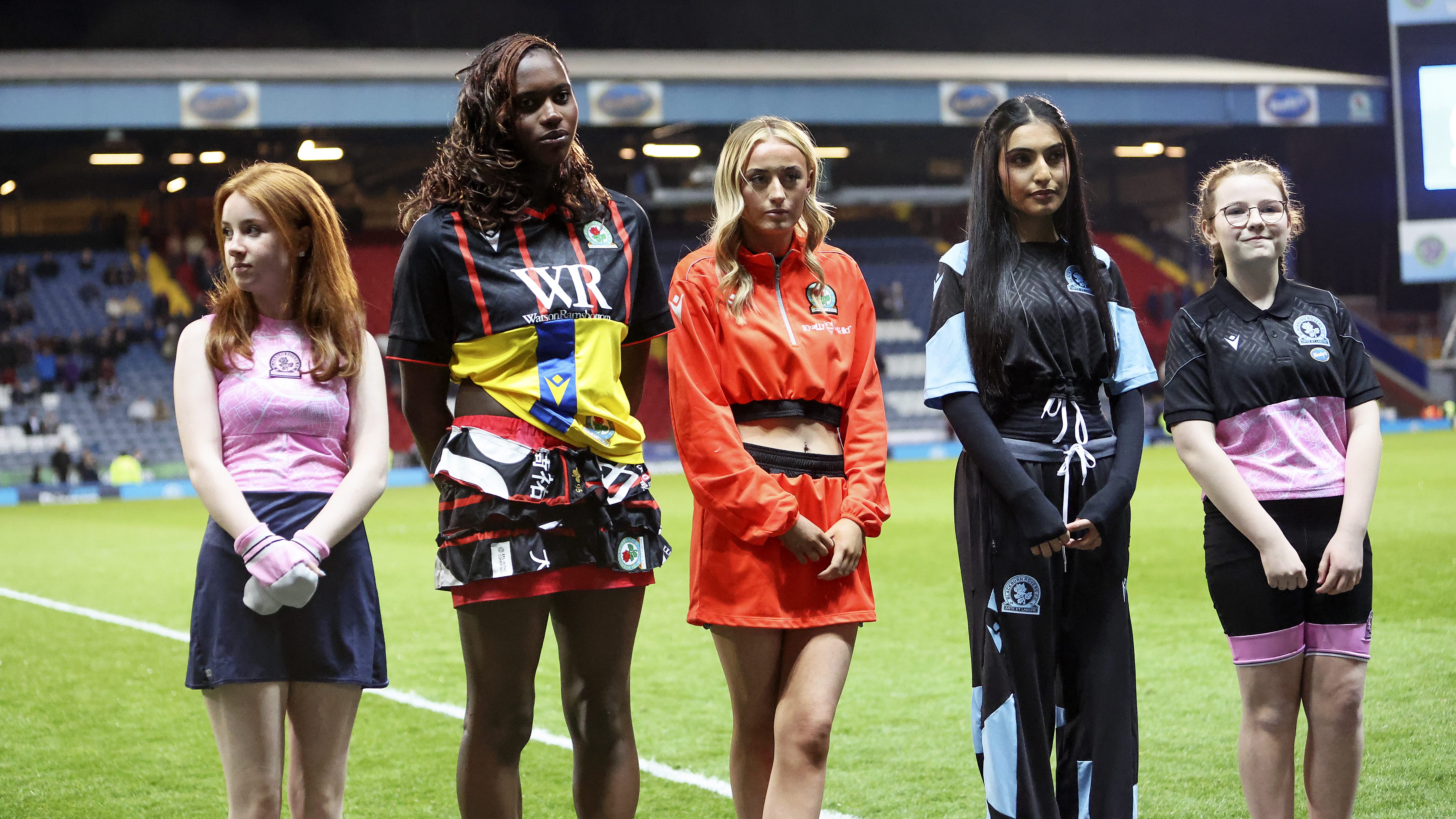
Community isn’t just a marketing buzzword. An Arsenal fan who runs a popular supporters group talked about the club beginning to recognise the cultural value of its grassroots fanbase beyond merchandise collaborations or branded content. Something with opportunities to really join in. Things like: “Here are Sunday League clubs in our catchment area that need players” or “Here are ten pitches in Islington that matter.”
Fans noted that stewardship was “the logical extension” of what clubs already do. Clubs already run food banks, community programmes, and youth camps. Taking on stewardship of green spaces and supporting those who rely on them applies the same logic. “It just makes sense,” said one Premier League fan. “And they’d win a huge amount of goodwill by doing it.”


CUI – Count Us In Limited está registrada na Inglaterra sob o número de empresa 13199784 e opera como Count Us In sob o número de instituição de caridade 1195686.