
TERRA magazine: These Streets Are Our Own
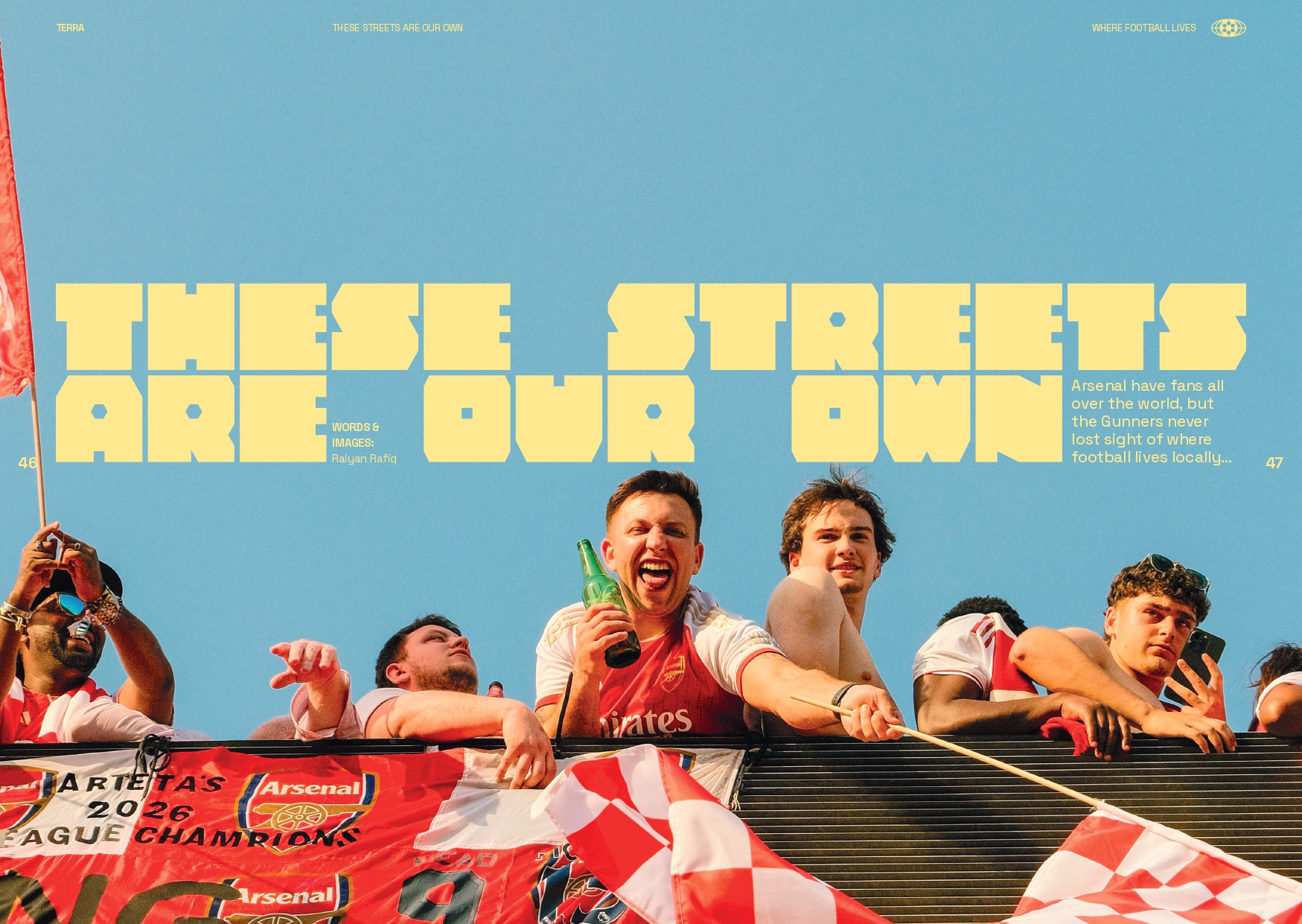
Under the railway bridges of Holloway Road, football still sounds the way it used to. It sounds like shopkeepers dragging scarves onto pavement racks hours before kick-off. It sounds like teenagers squabbling outside Morley’s over whether the team is finally ready again. It sounds like old men in cafes talking about Rachel Yankey and Leah Williamson, or Declan Rice and Patrick Vieira in the same breath. It sounds like the shutters opening at local businesses that survive because 60,000+ people still walk these streets every other week.
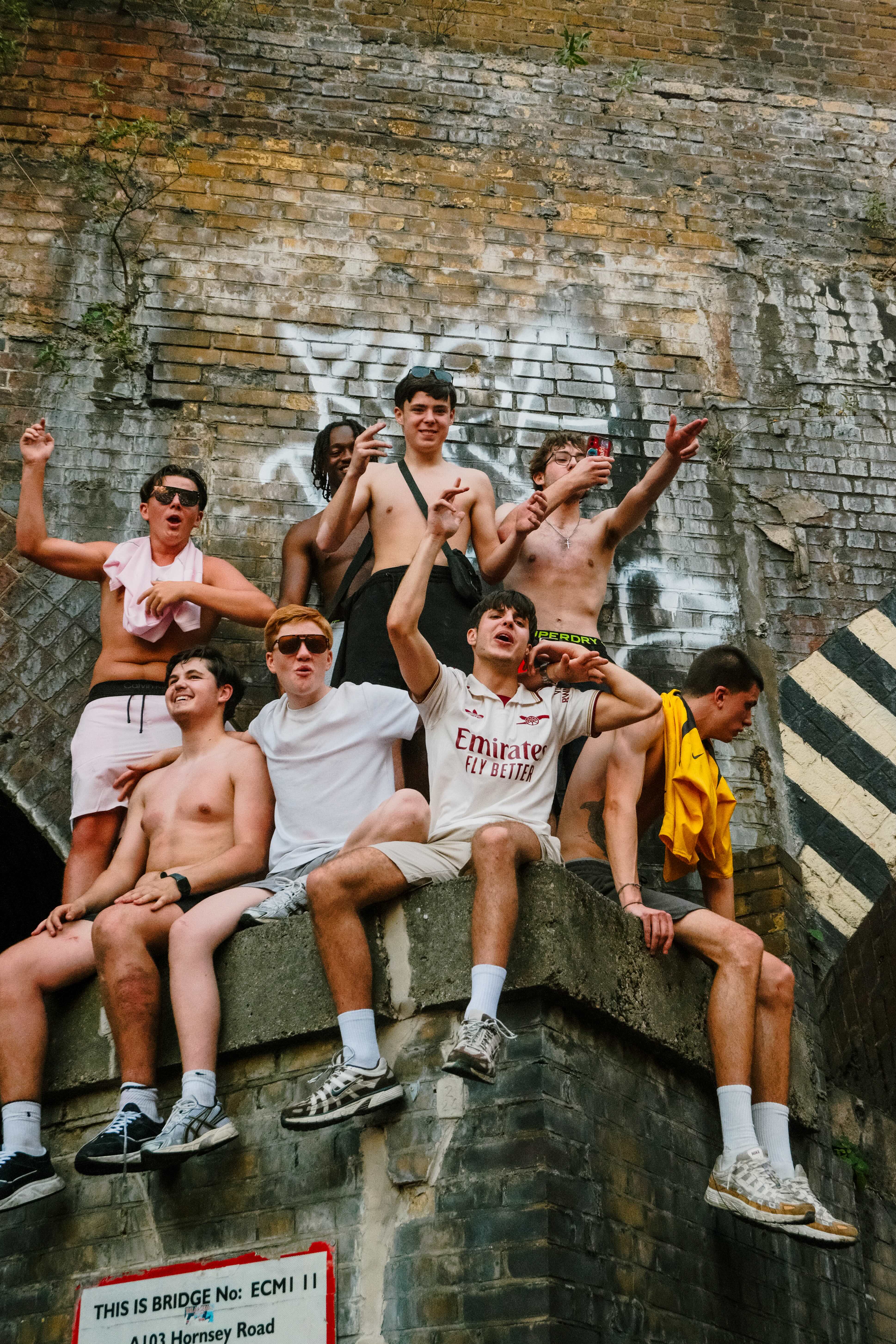
Growing up 5,000 miles away from North London, those sounds did not physically exist around me, yet somehow Arsenal still managed to paint a picture of the area in my mind long before I ever arrived here myself. Before I had walked through Holloway Road after a game or stood outside Finsbury Park station watching red shirts disappear into the crowd, Arsenal had already shaped my understanding of what North London felt like.
The connection was far stronger in real life than I had ever imagined from afar.
After I moved here, for many nights, especially during periods when homesickness felt heavy, Arsenal became the rescue. Kick-offs became routine, routine became comfort and somewhere between matches and endless post-game conversations, a football club slowly started feeling like familiarity itself. What begins as entertainment slowly becomes memory, ritual and emotional attachment. For some, it becomes family tradition. For others, it becomes a reminder of people we have lost. And sometimes it becomes the thing passed down to those who arrive after us.
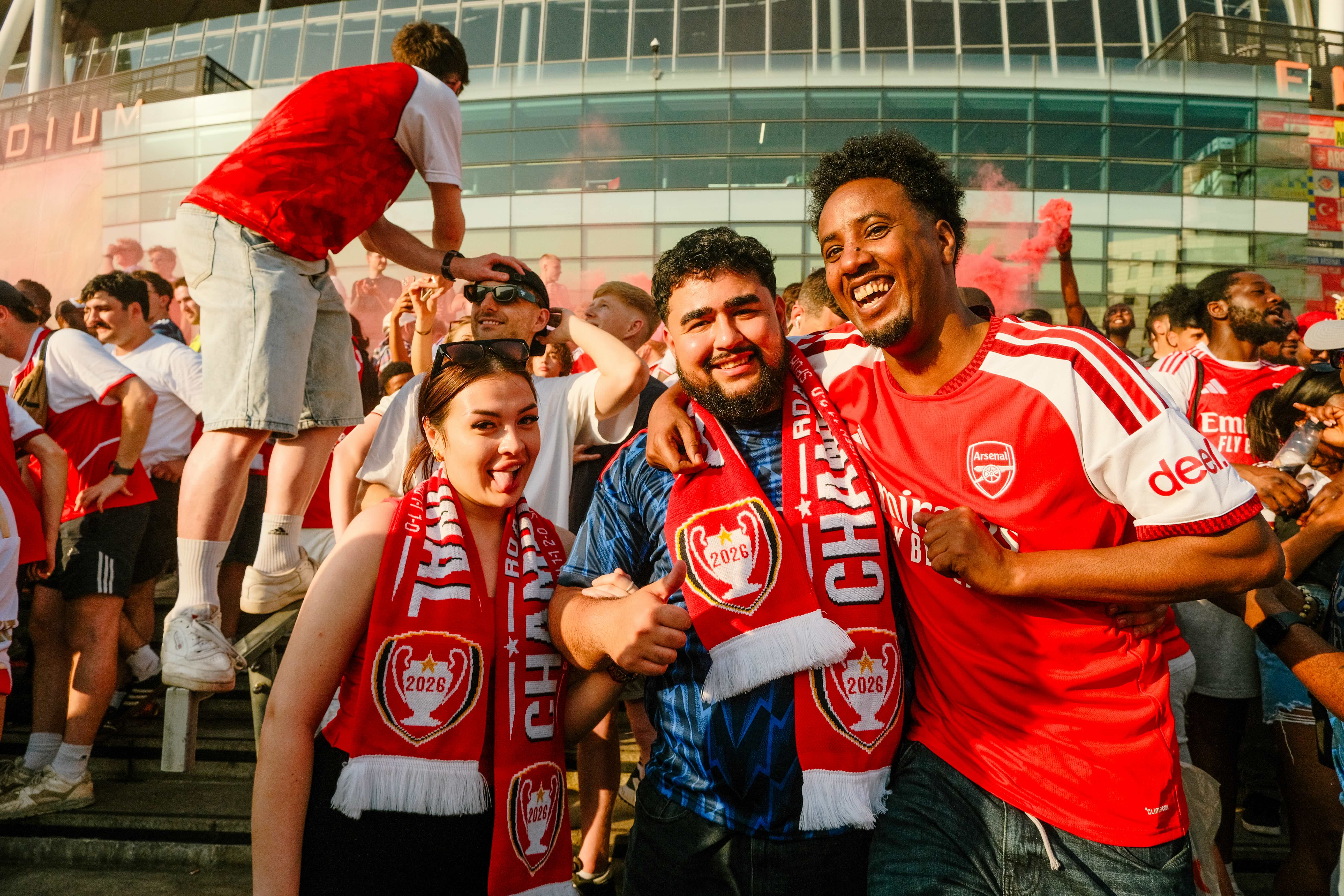
What surprised me most was realising the connection was far stronger in real life than I had ever imagined from afar. Arsenal did not simply exist inside the Emirates Stadium. The club lived in the cafes filling slowly before kick-off, in the barber shops debating lineups, in the corner shops preparing for crowds hours before games and in the families making the same walk around Holloway Road every other weekend. The sound of the community is the sound of Arsenal, just as the sound of Arsenal has always been the community itself. That is why the changes under Mikel Arteta have resonated beyond results alone. The club stopped feeling like an untouchable modern superclub and instead became firmly rooted in the local culture and community surrounding it. The adoption — at Arteta’s request — of “The Angel (North London Forever)” captured that shift perfectly.
North London forever Whatever the weather These streets are our own And my heart will leave you never My blood will forever Run through the stone
A song that barely talks about football became the emotional identity of the club because it understood the changing streets, disappearing landmarks, working-class resilience and the emotional attachment people maintain to places constantly evolving around them.
Bukayo Saka and Emile Smith Rowe became symbolic in this new era. Hale End youth academy graduates who carried themselves like boys who understood exactly what Arsenal meant to the community surrounding it. Children and adults began recreating their celebrations in the cages, on the streets, in the parks, and even at school.
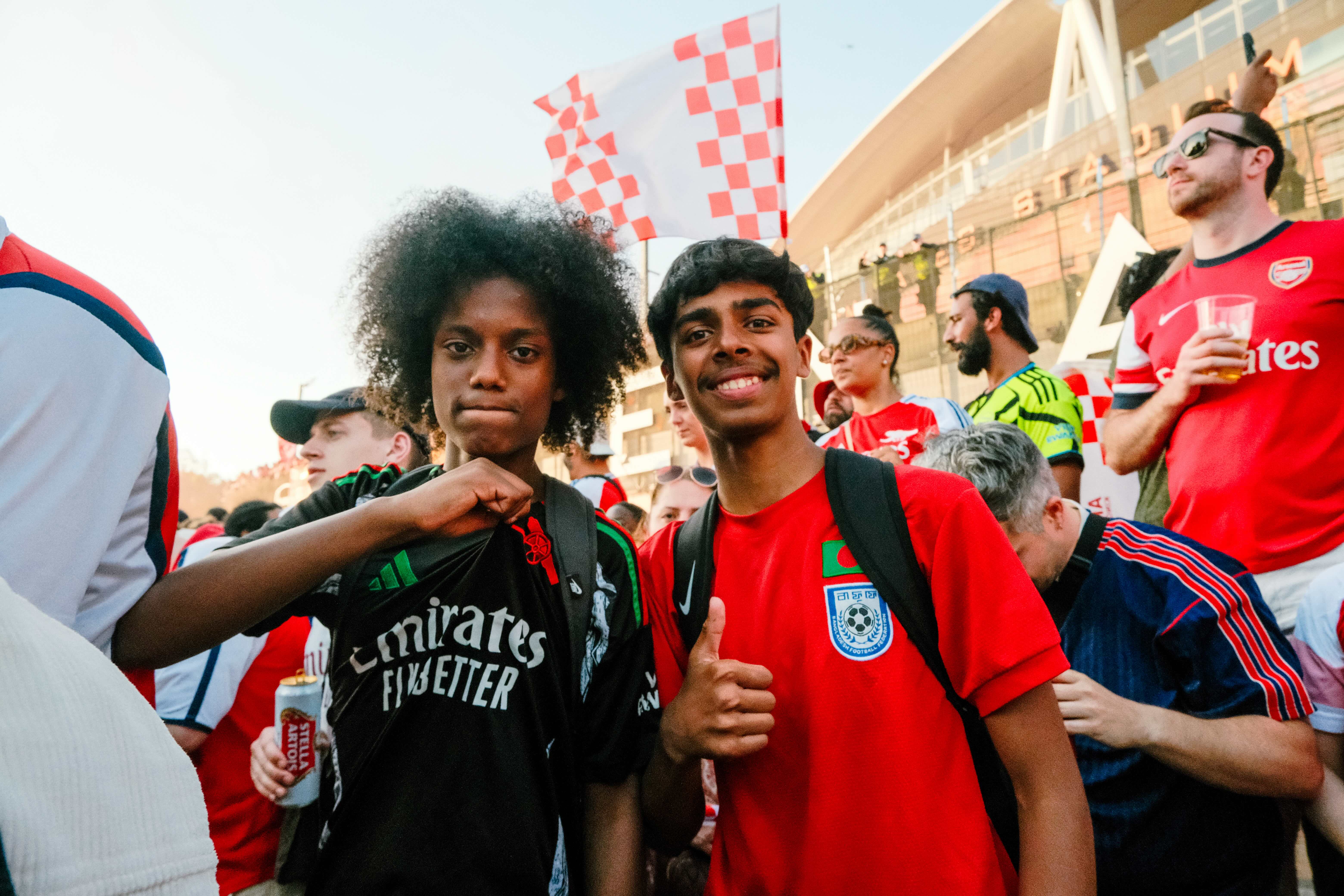
None of this happened in a vacuum. Long before football clubs discovered the branding value of community outreach, Arsenal in the Community had already spent decades working across Islington schools and estates following the social unrest of the 80s. Welfare calls with isolated elderly residents during Covid and food redistribution partnerships with organisations such as The Felix Project made the Emirates feel more like a part of the borough itself.
Modern campaigns such as No More Red — which tackles the root causes of youth violence in North London — were rooted in local anxieties rather than abstract marketing. It was ultimately about knife crime, disappearing youth spaces and the role football clubs can play in uplifting an area beyond ticket sales and sponsorships.
Of course, the relationship has not been without contradiction. Arsenal, like every modern football institution, remains capable of decisions that can threaten this trust. Redundancies during Covid, alongside certain commercial deals, exposed the uncomfortable and unavoidable reality that even clubs who root themselves in their communities so effectively still have to operate as businesses first to survive the modern football landscape.
Yet perhaps what separates Arsenal from many elite clubs is that the connection to North London survived those tensions rather than collapsing beneath them. Because this relationship was never built purely through success. It was built through repetition and routine, through generations of supporters attaching memories to eateries, tube stops, market stalls and the walk towards the Emirates itself. The stadium matters, of course, but football has always lived beyond it, and defending those spaces, rituals and communities is essential if the game itself is to continue thriving.
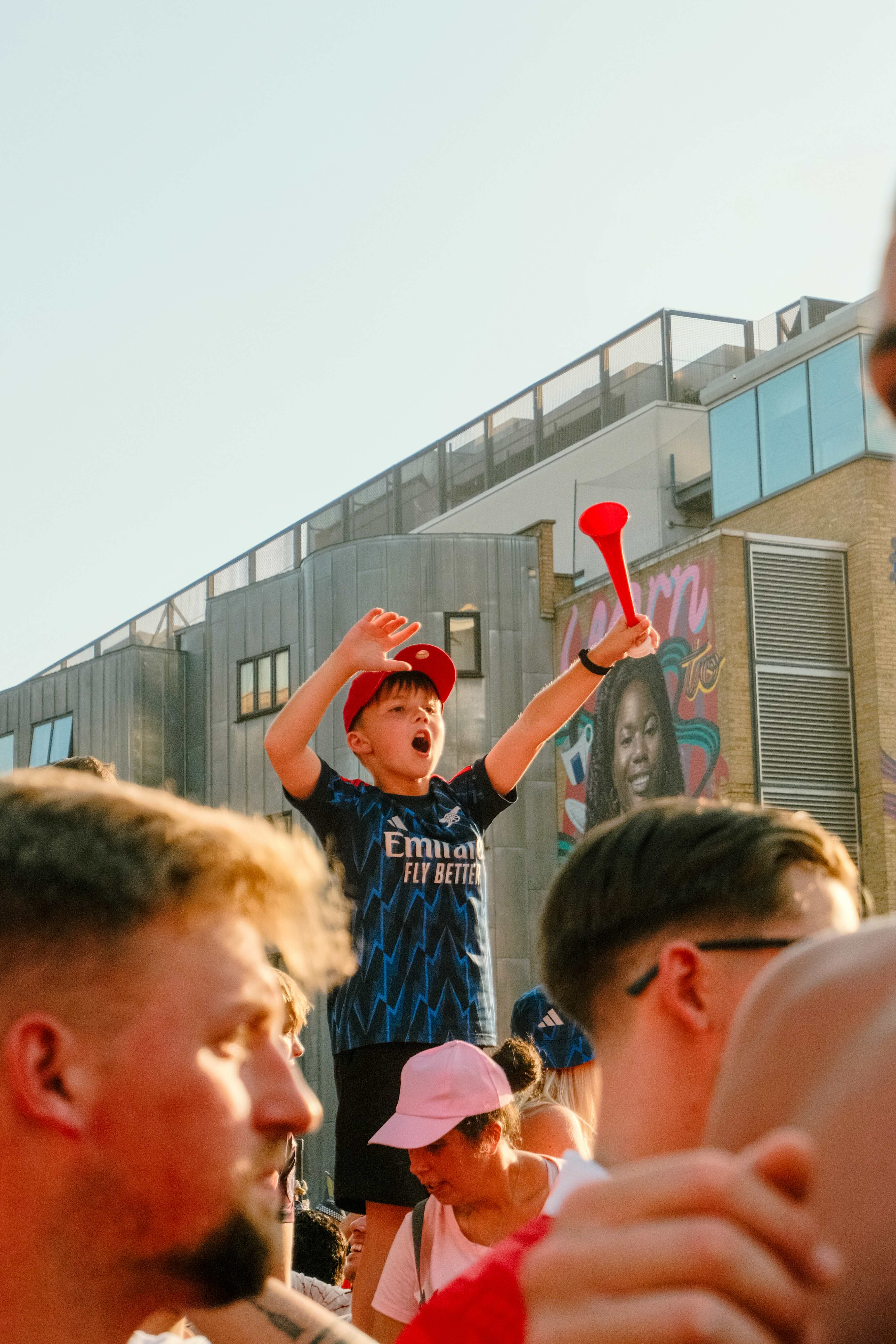
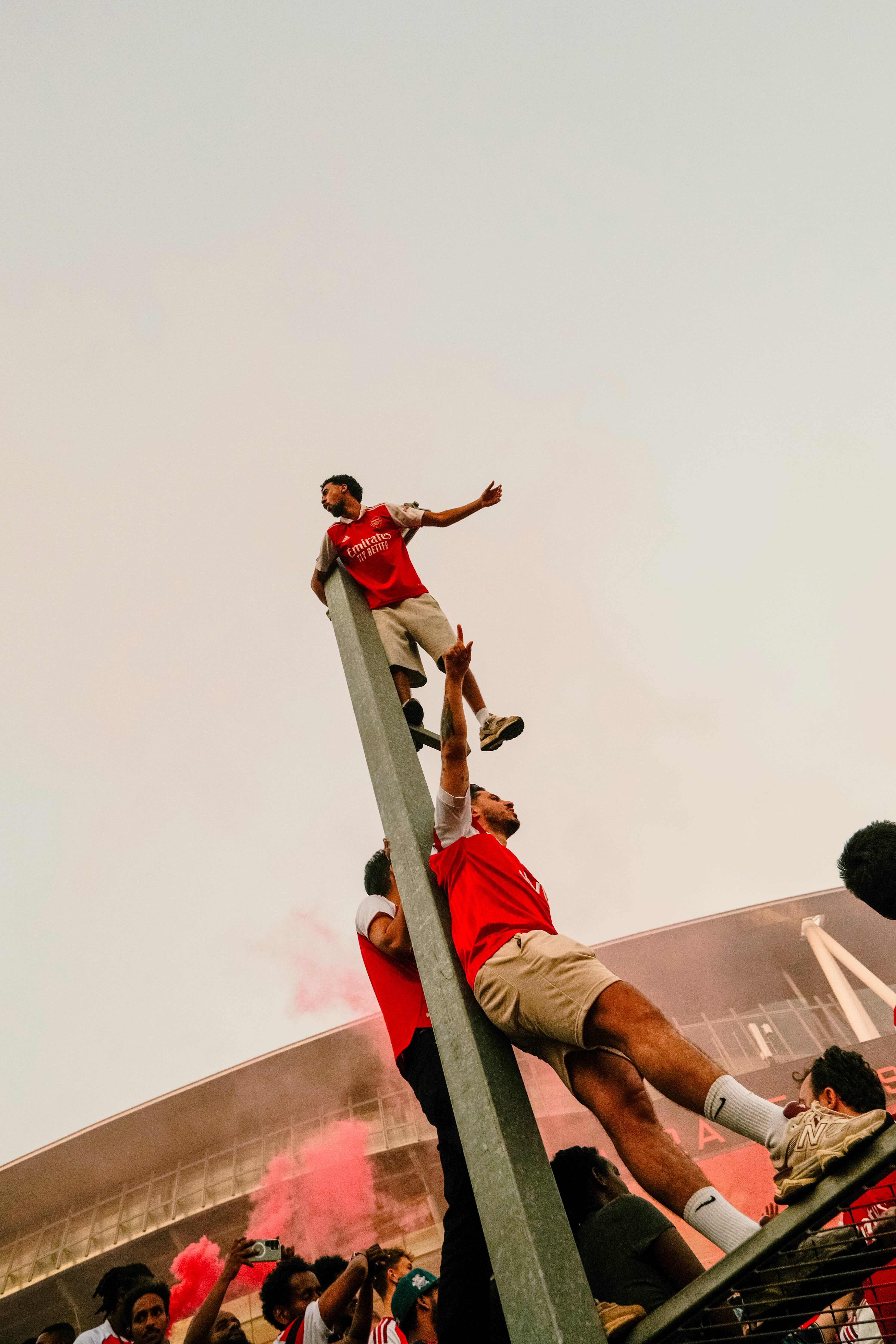
That is why the recent scenes around the Emirates have felt so emotional. Families standing on balconies filming crowds below them. Strangers embracing outside corner shops. Children climbing onto traffic lights just to catch a glimpse of the crowd.
Thousands gathering around the stadium simply wanting to feel close to something collective at a time where life increasingly feels individual and disconnected.
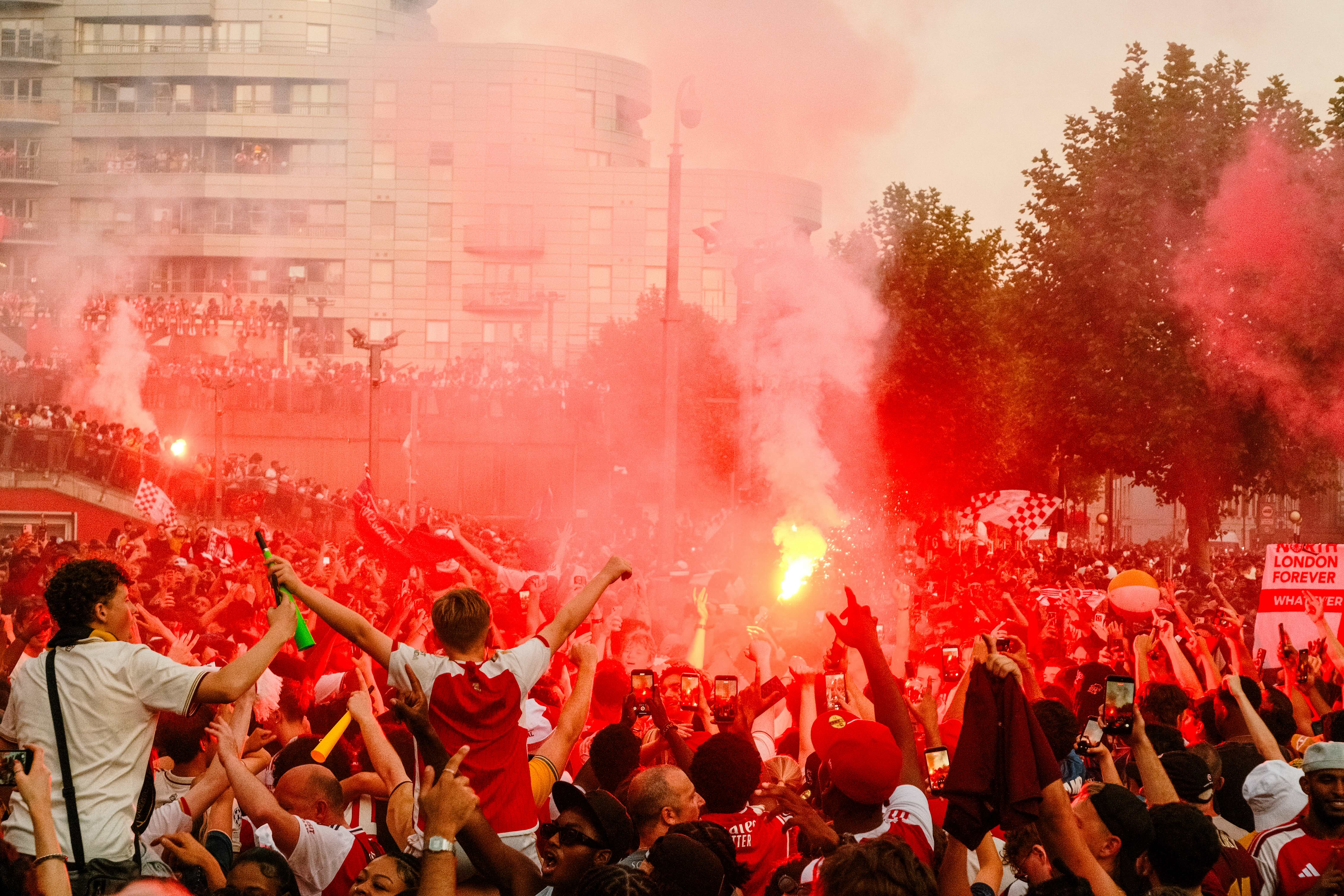
Maybe that is what football protects at its best. Not simply clubs or trophies, but the communities and rituals built around the ecosystem. The restaurants that fill before kick-off. The businesses that survive because match day still exists. The conversations drifting beneath railway bridges after full time. The feeling that, even as the city changes around you, some things still belong to the people who built them.
The manor might be changing, but the people still remain.
Words and images: Raiyan Rafiq


CUI – Count Us In Limited está registrada na Inglaterra sob o número de empresa 13199784 e opera como Count Us In sob o número de instituição de caridade 1195686.