
Defend Where Football
Lives

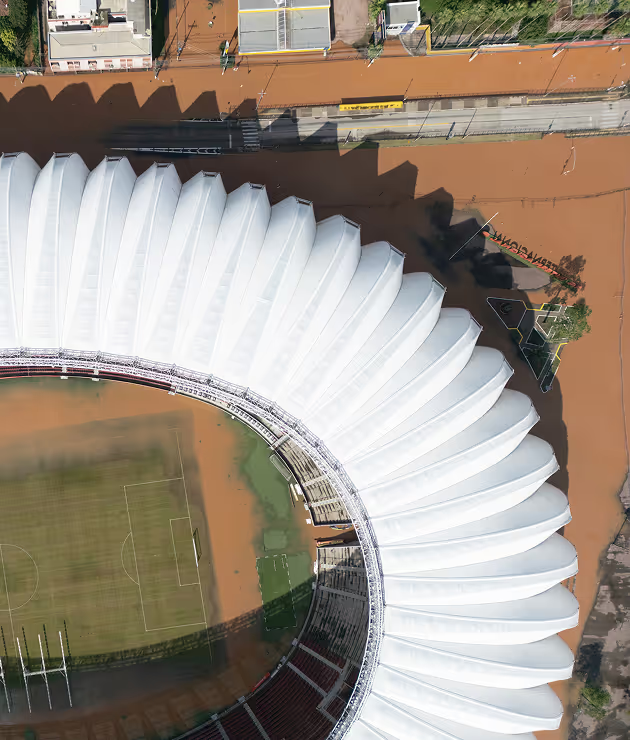
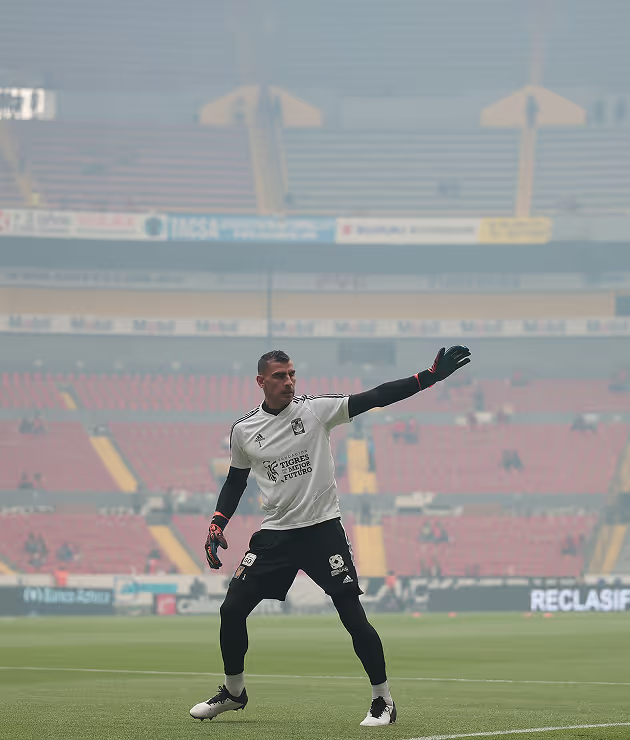
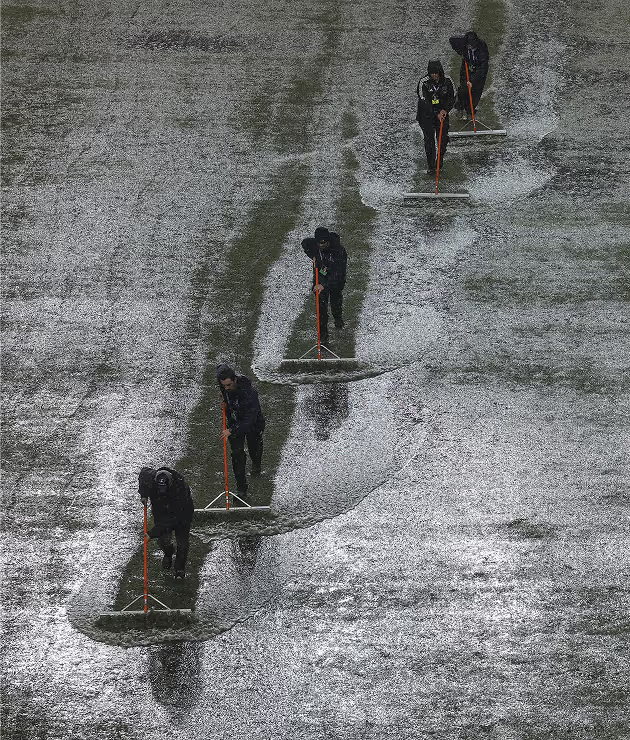
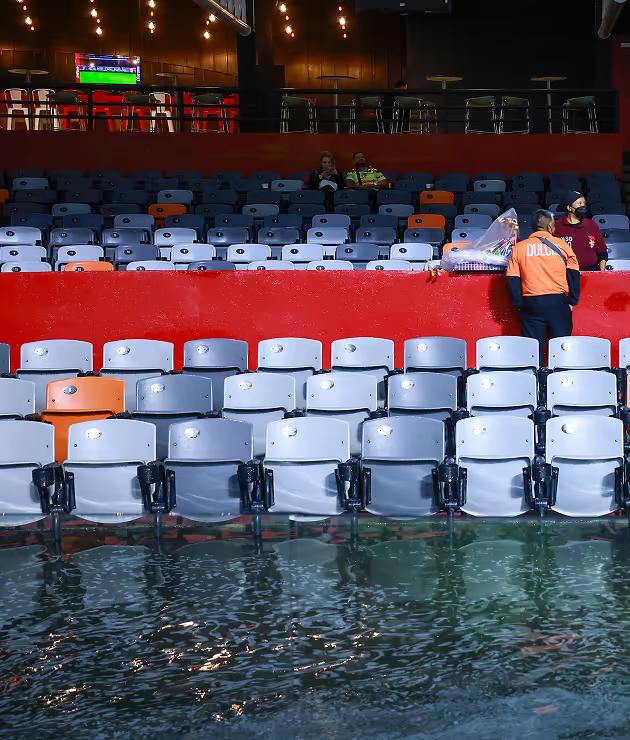
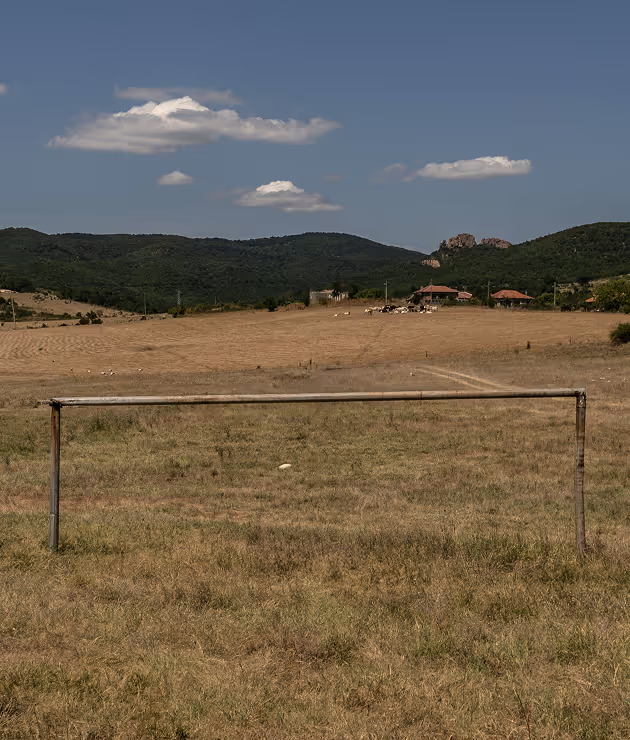
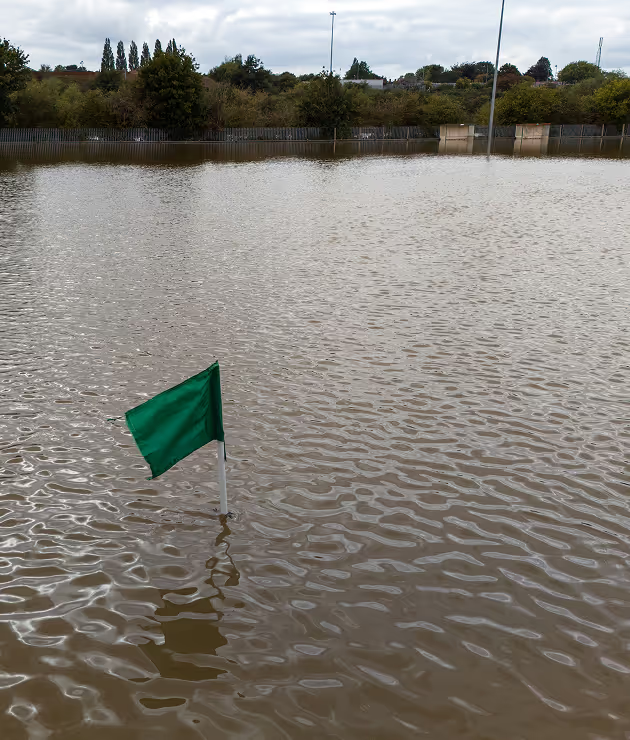
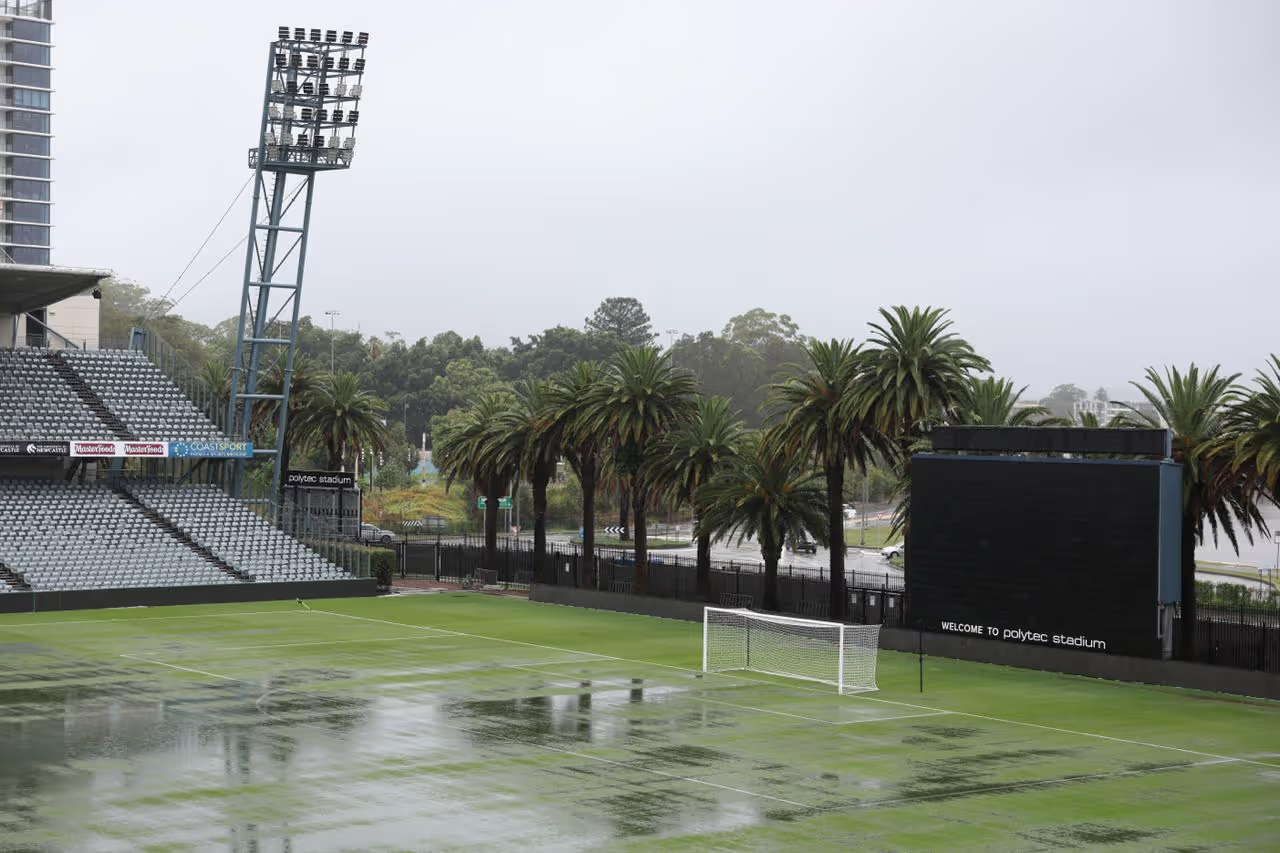
Football is increasingly threatened by extreme weather





The squad

Roberto Carlos
Brazilian football legend

Marcus Rashford
England footballer
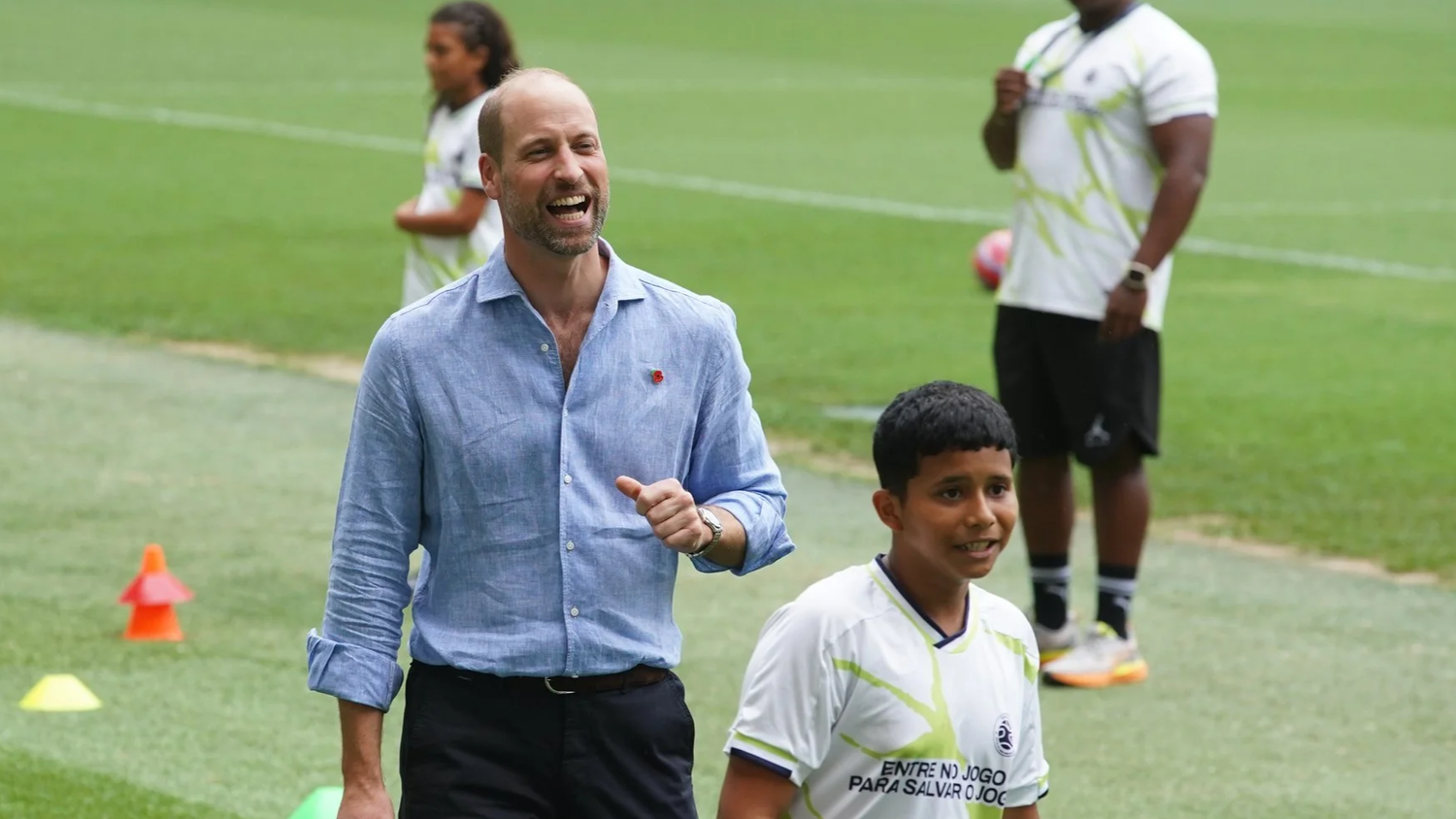
His Royal Highness Prince William
Prince of Wales
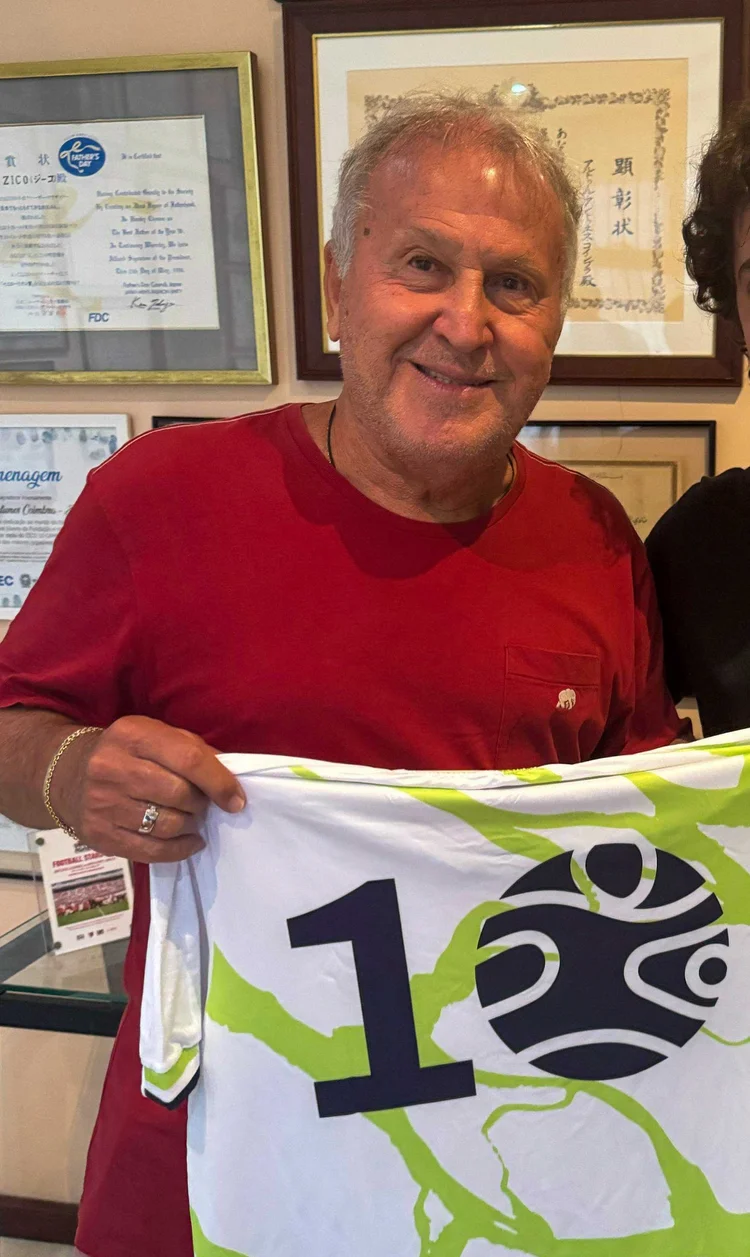
Zico
Brazilian football legend

Cafu
Brazilian football legend
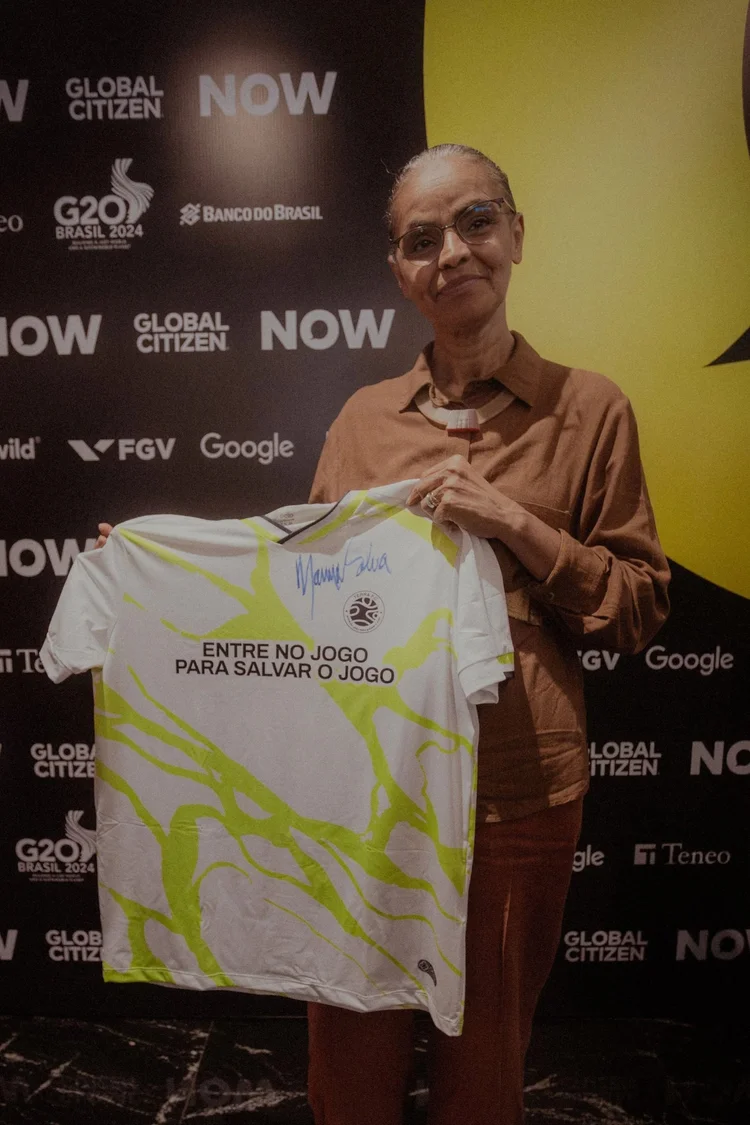
Marina Silva
Brazilian Minister of the Environment and Climate Change
.png)
Eric Cantona
French football legend
.png)
Ashley Cole
English football legend
.png)
David Trezeguet
French football legend
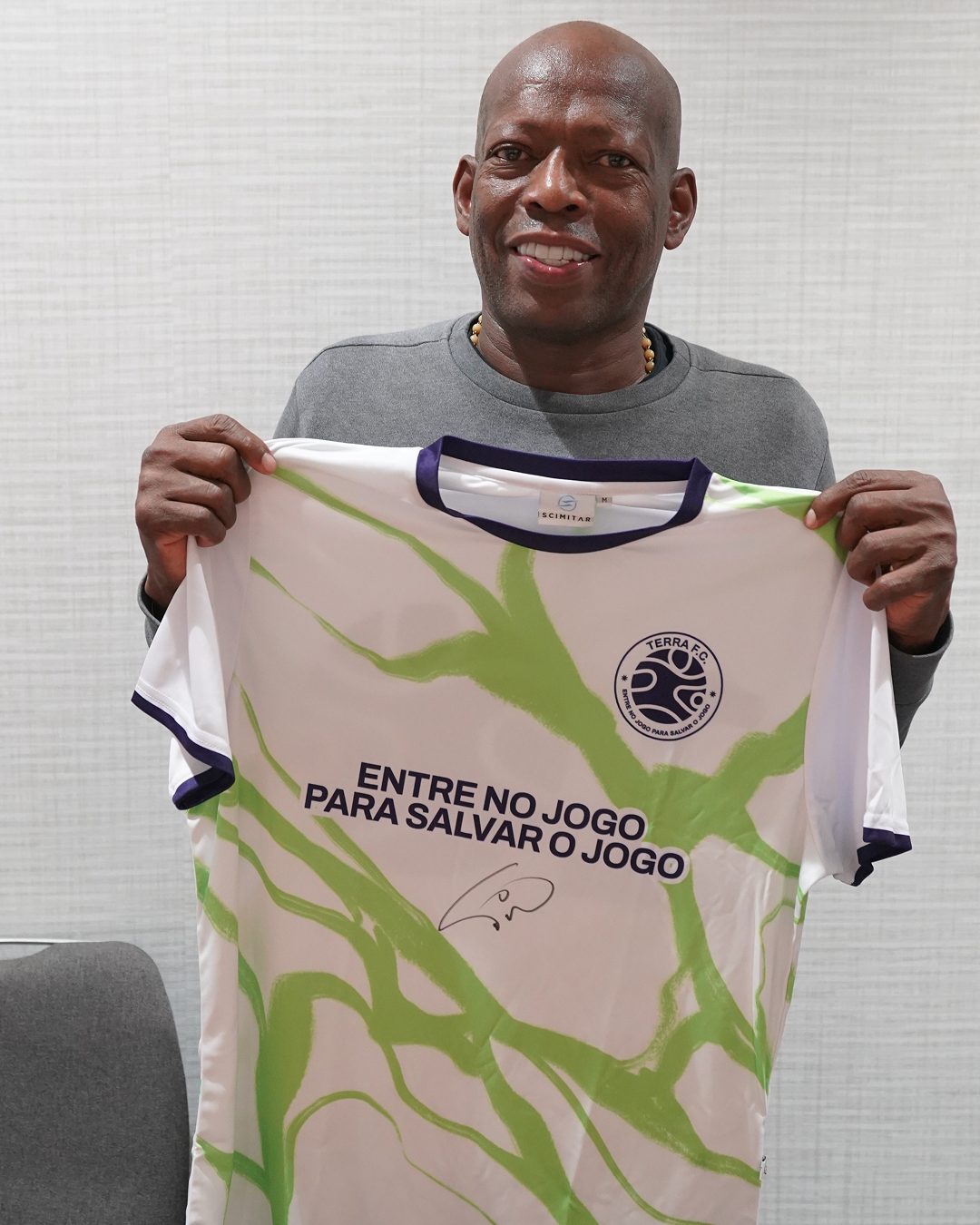
Faustino Asprilla
Colombian football legend
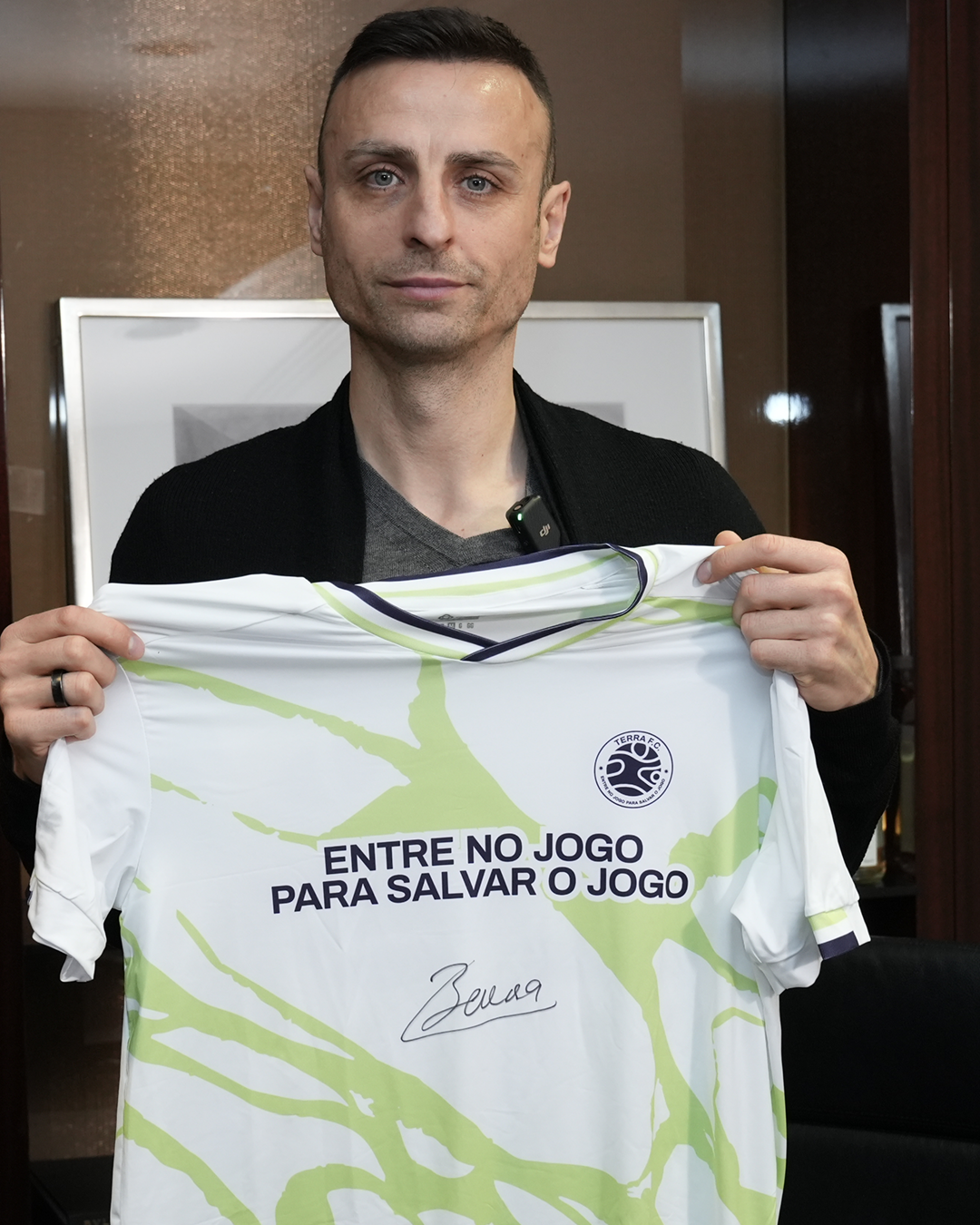
Dimitar Berbatov
Bulgarian football legend
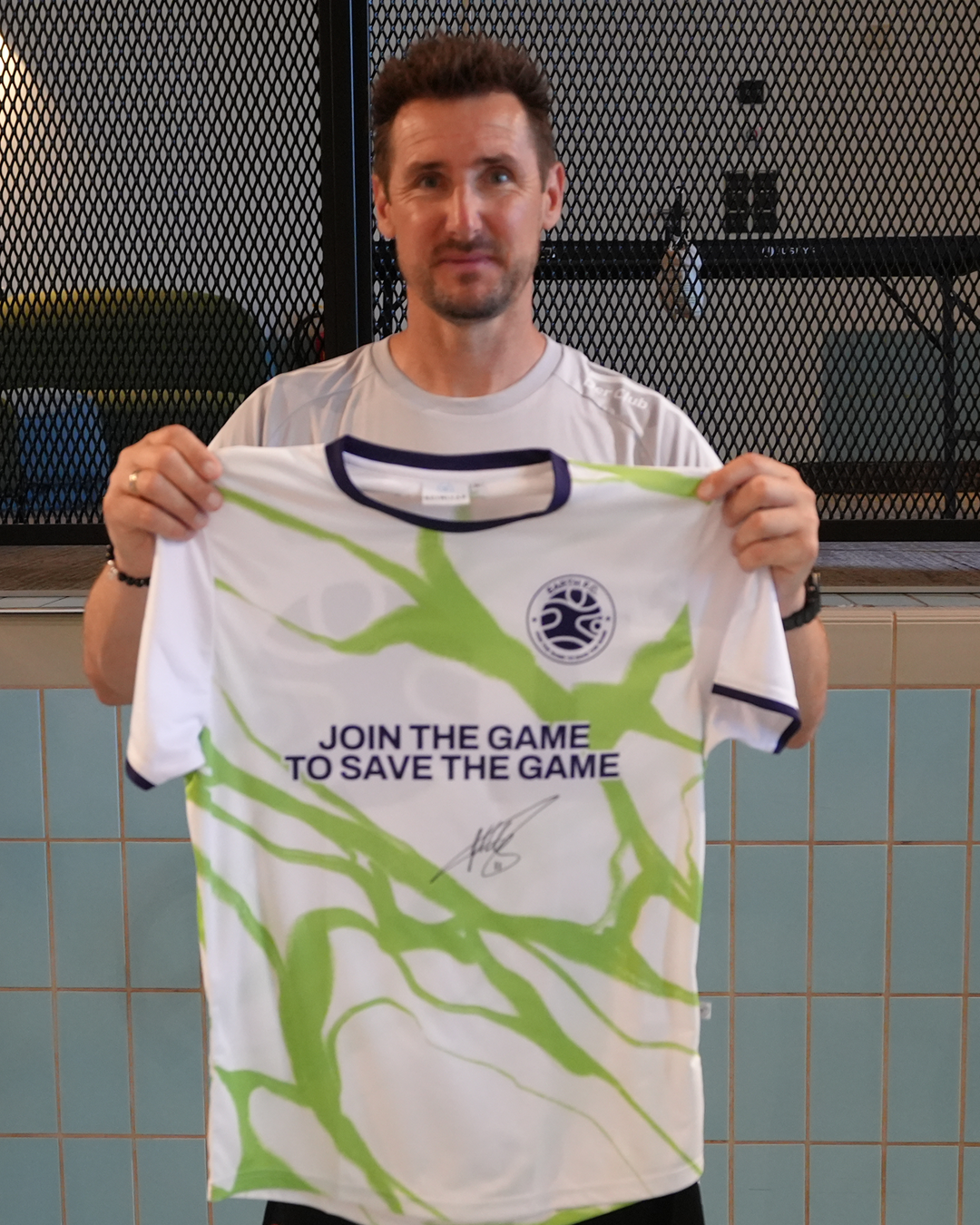
Miroslav Klose
German football legend
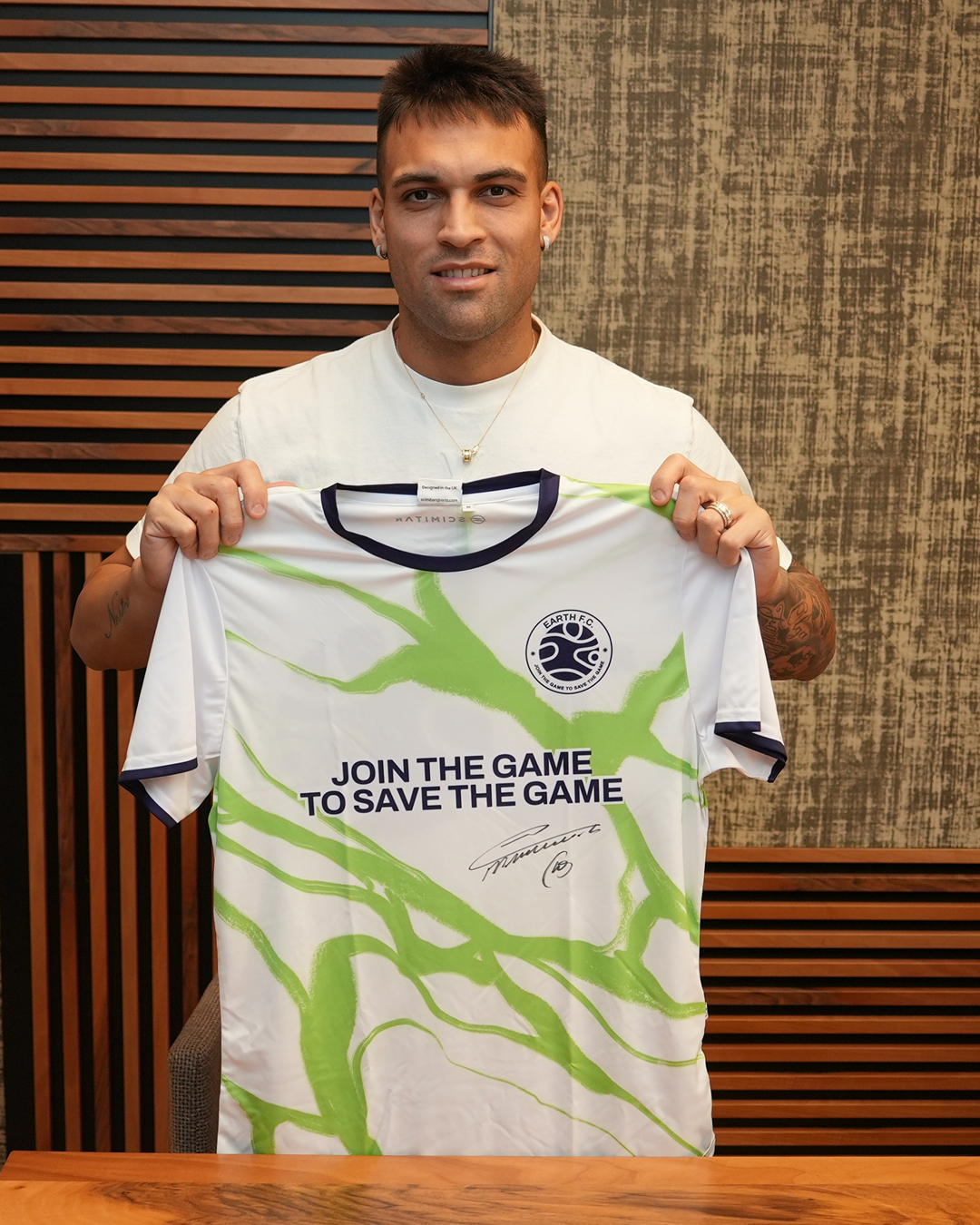
Lautaro Martínez
Argentine footballer

Pavel Nedvěd
Czech football legend
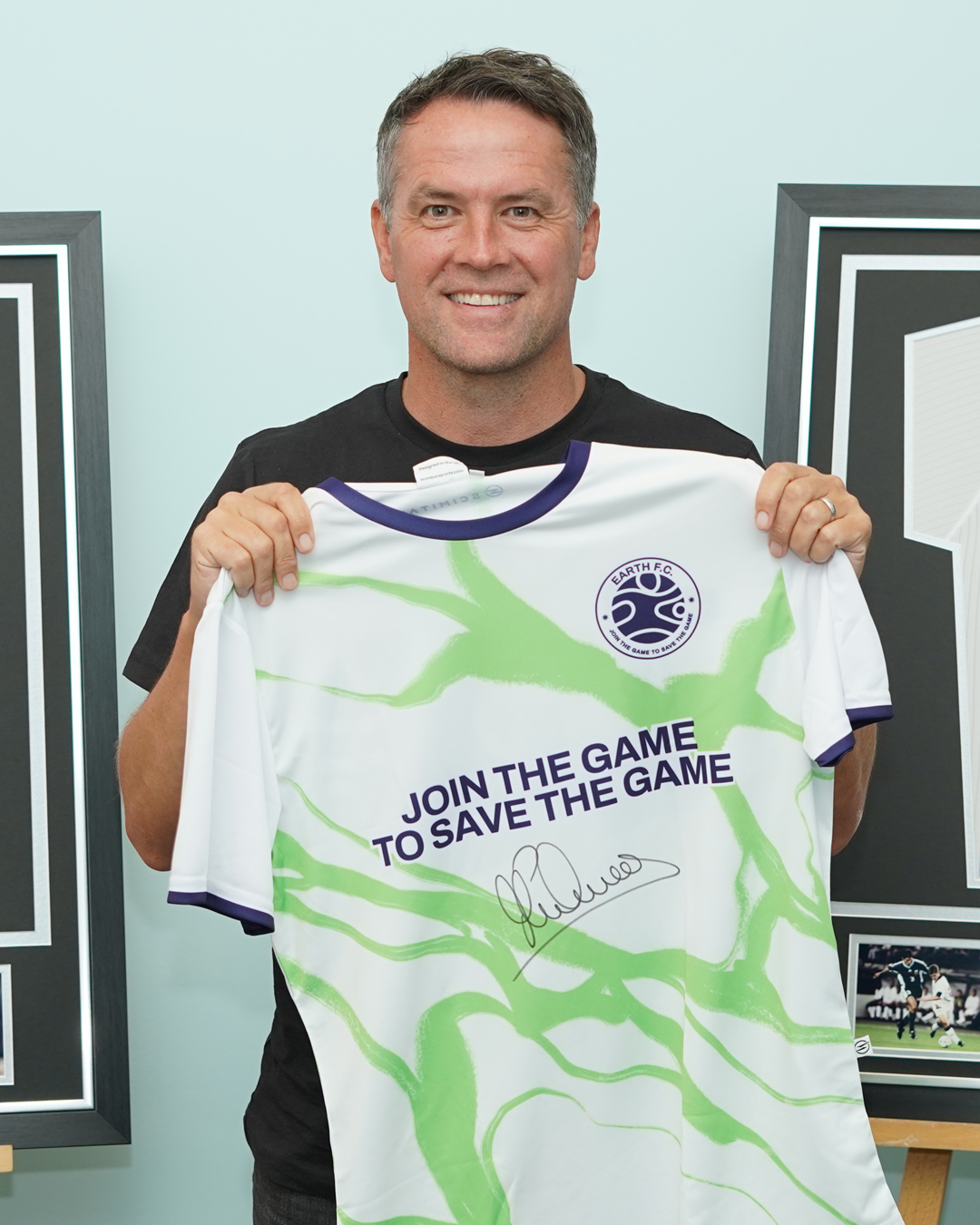
Michael Owen
English football legend
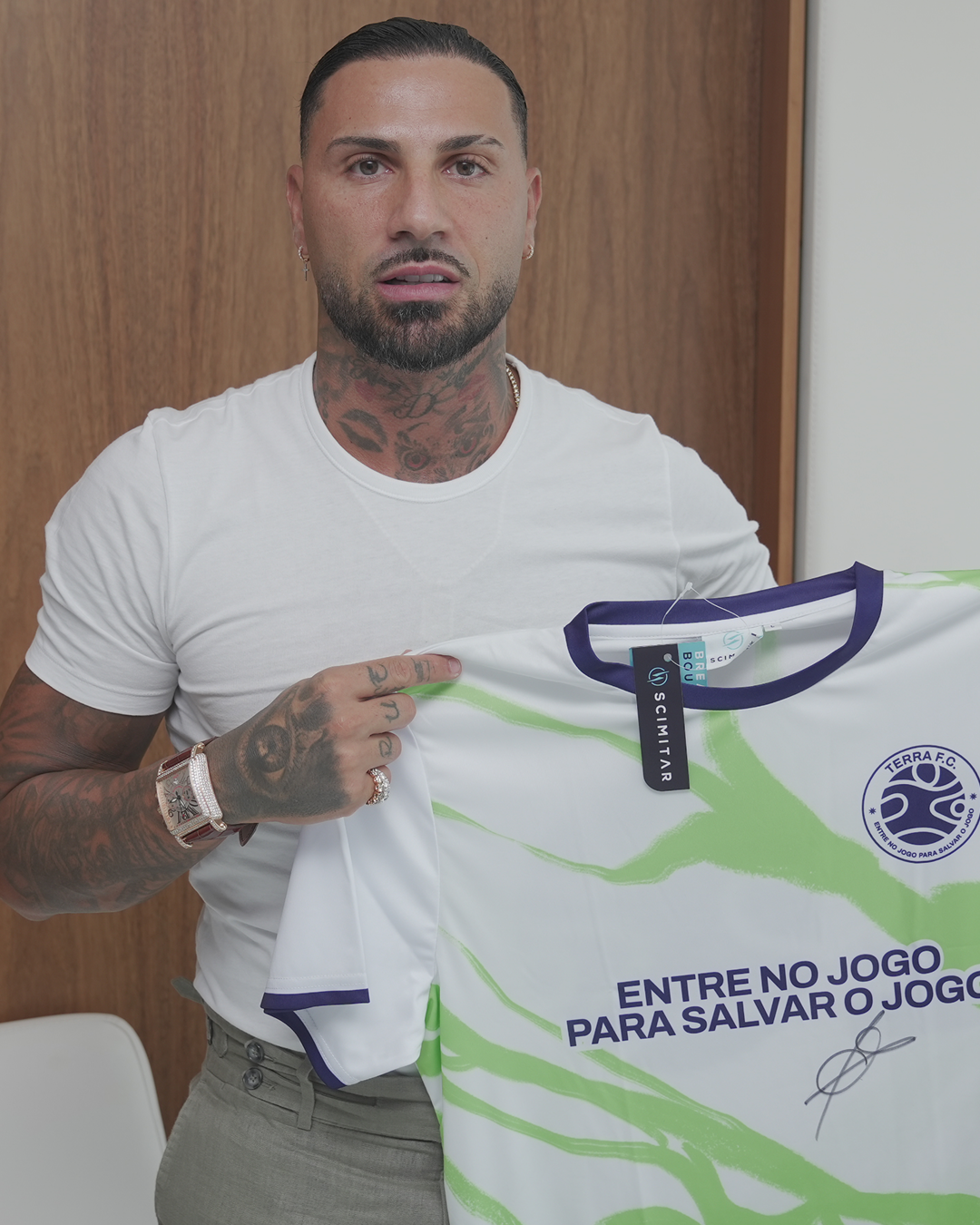
Ricardo Quaresma
Portuguese football legend
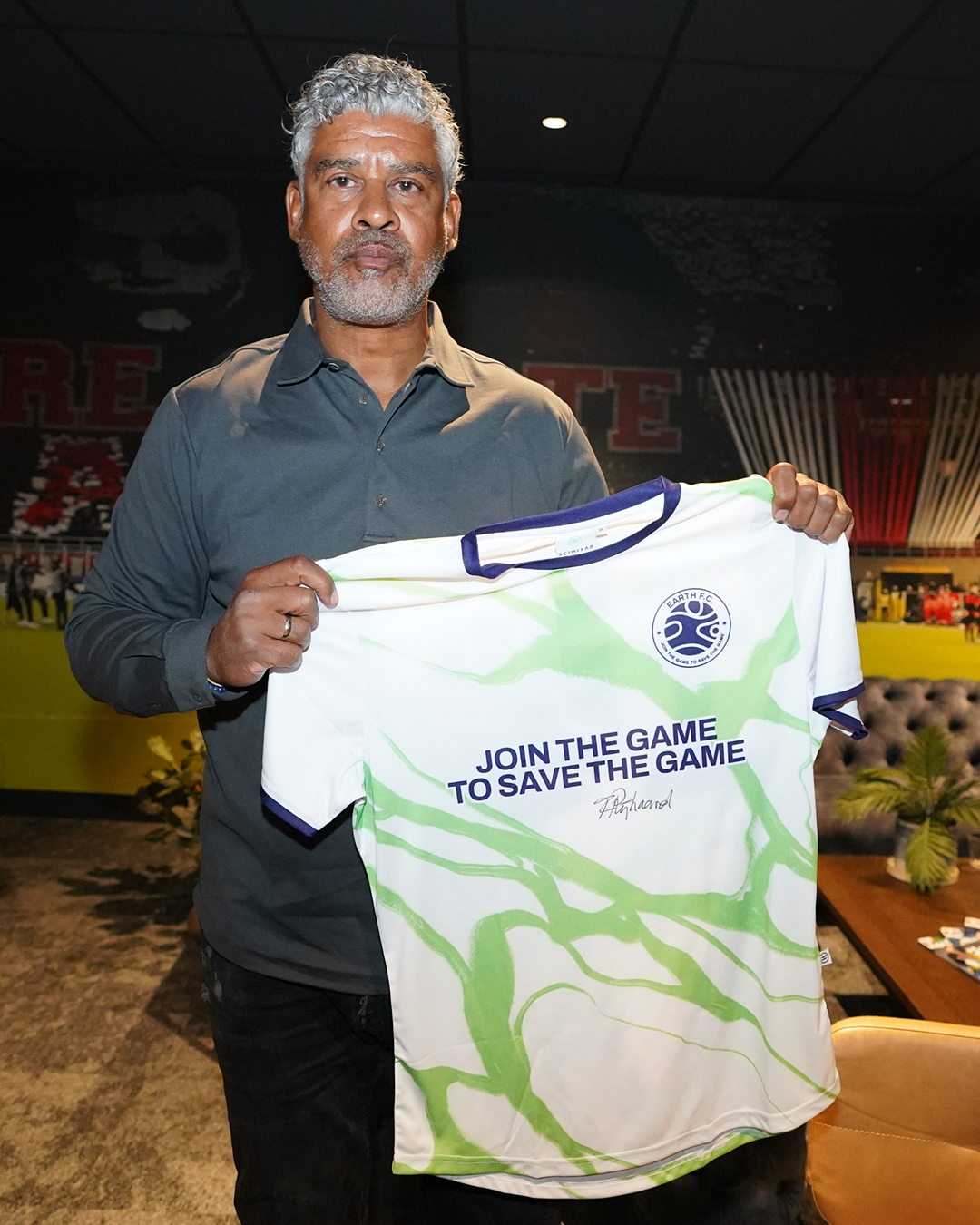
Frank Rijkaard
Dutch football legend
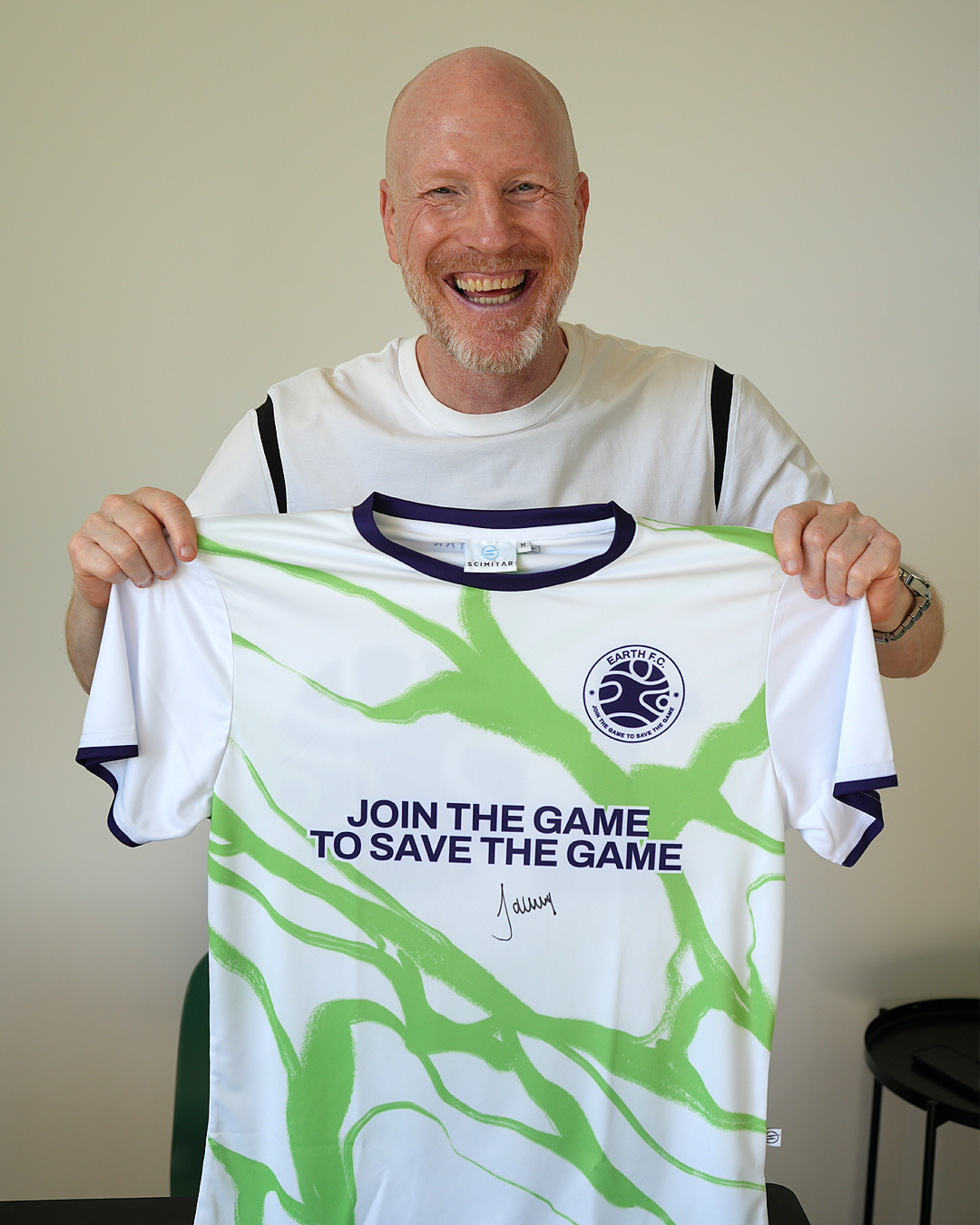
Matthias Sammer
German football legend
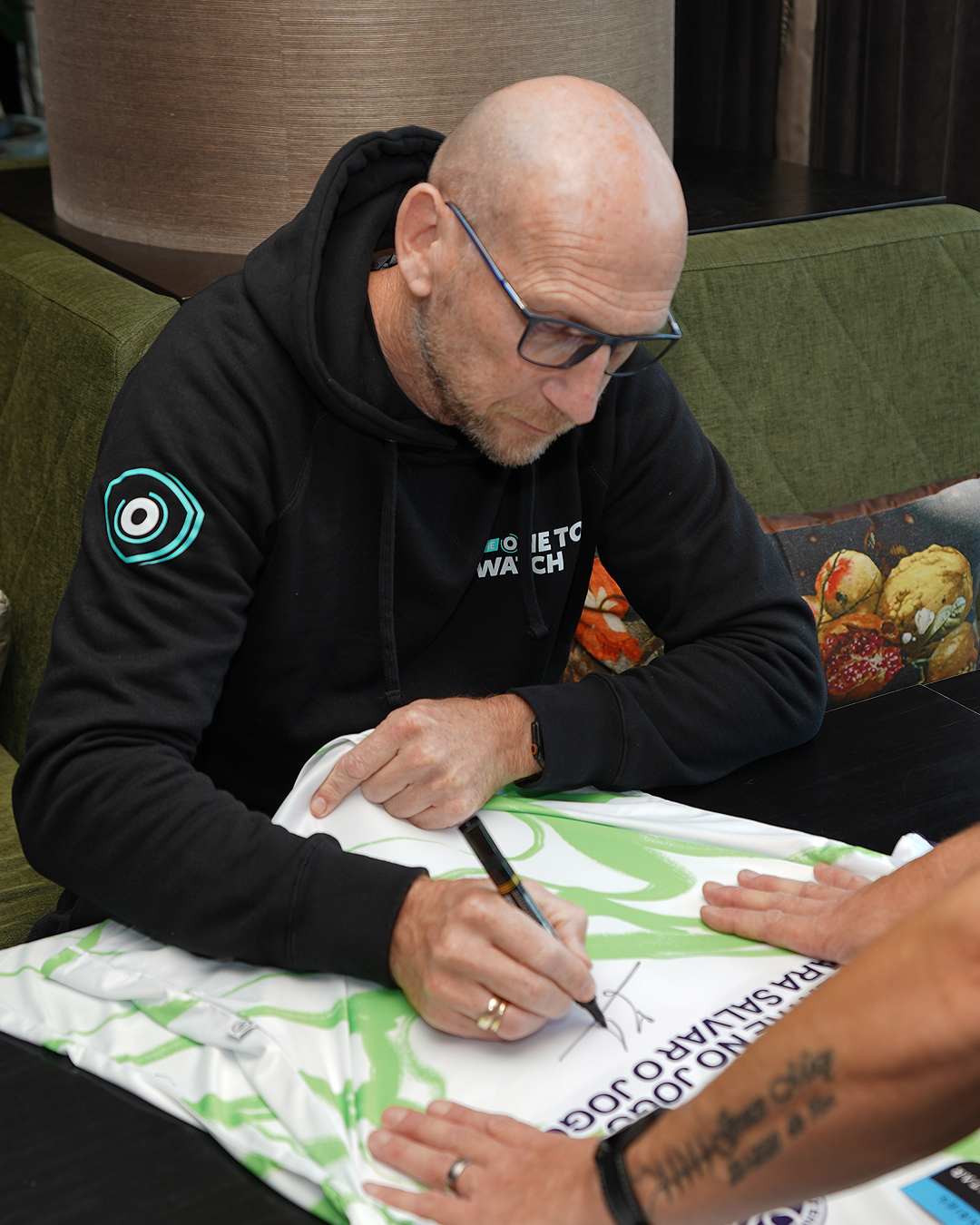
Jaap Stam
Dutch football legend
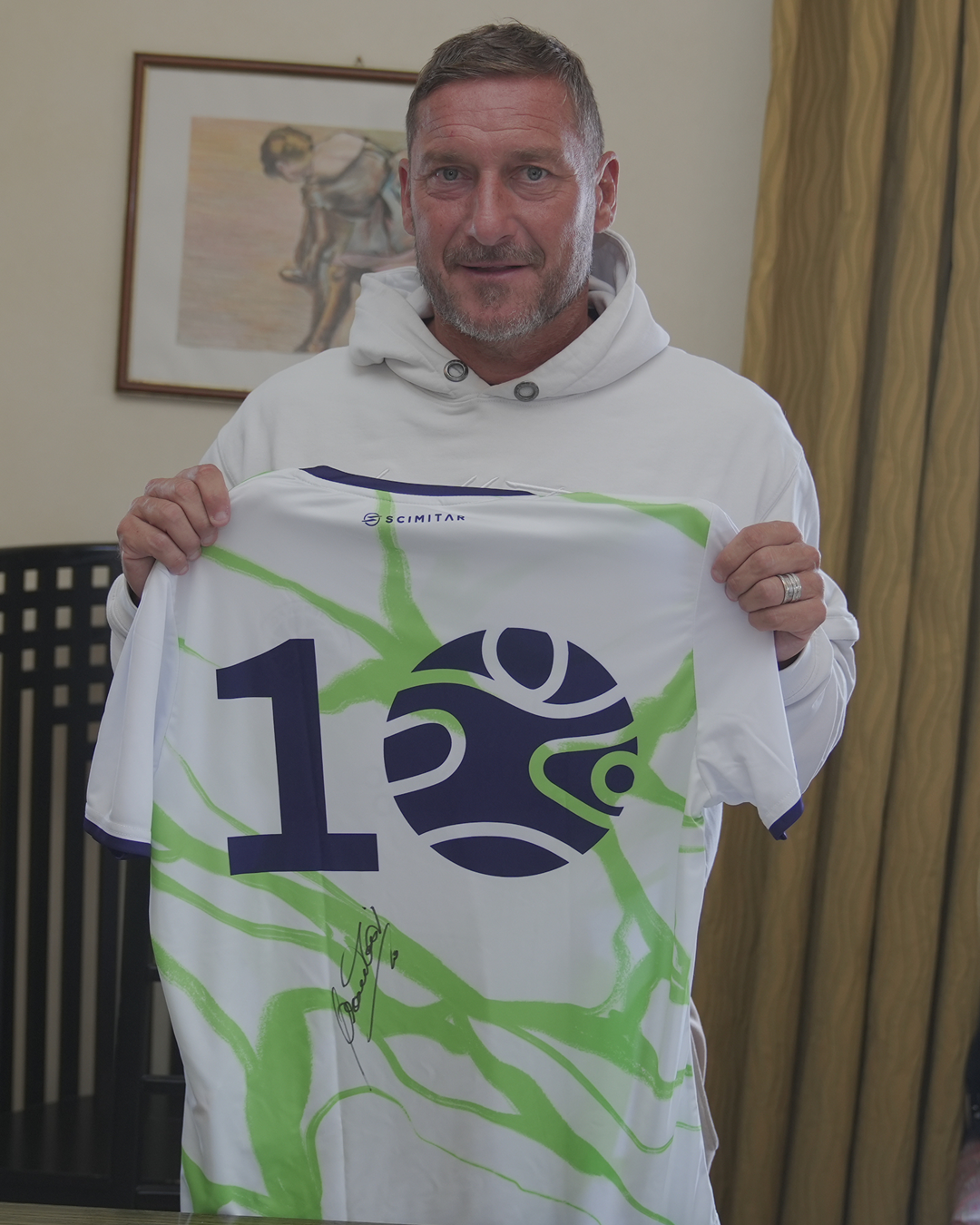
Francesco Totti
Italian football legend

Marco van Basten
Dutch football legend

Javier Zanetti
Argentine football legend
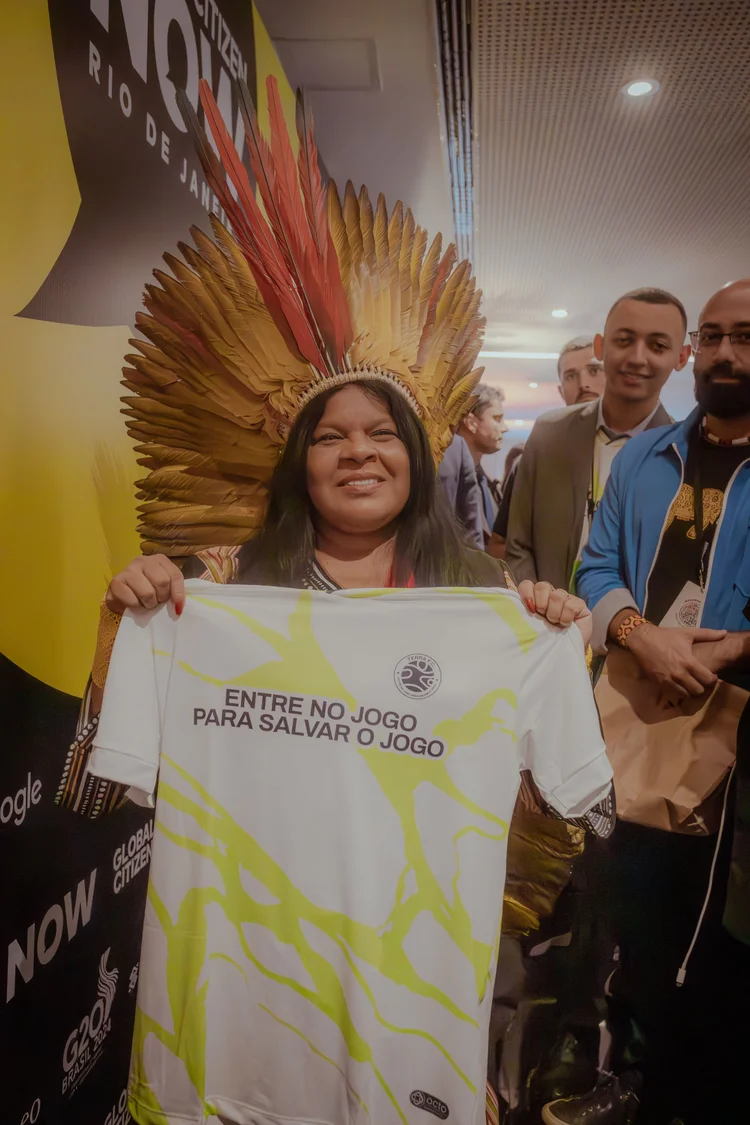
Sônia Guajajara
Brazilian Minister of Indigenous Peoples

Denílson
2002 World Cup winner
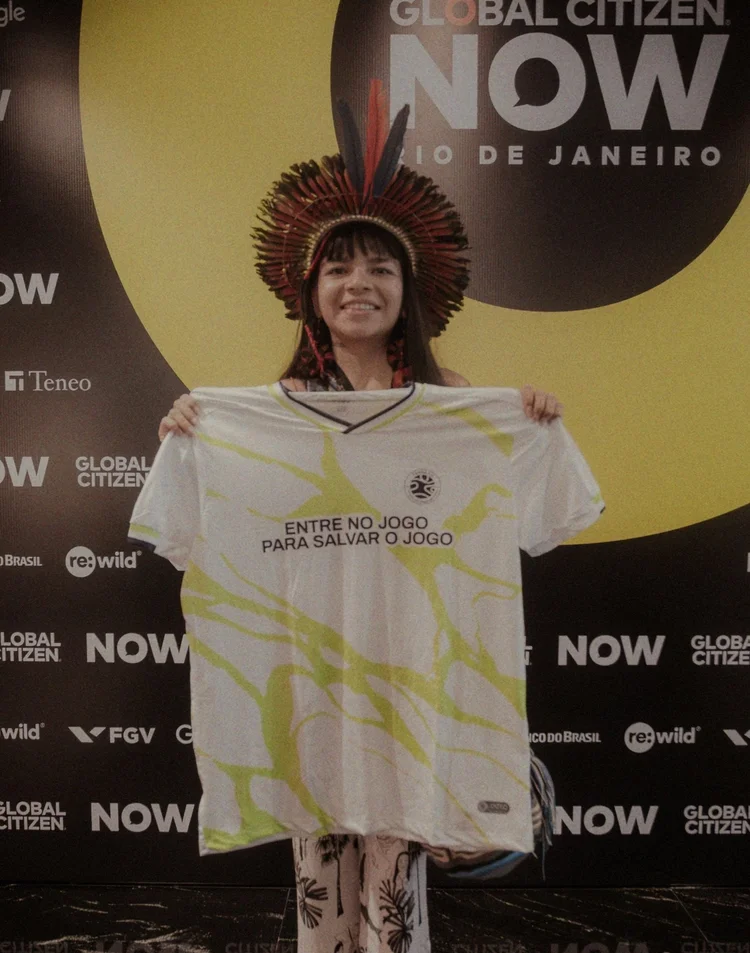
Txai Suruí
Indigenous activist

Pretinha
Brazilian football legend

Thiago Silva
Brazilian footballer

Sir Keir Starmer
UK Prime Minister

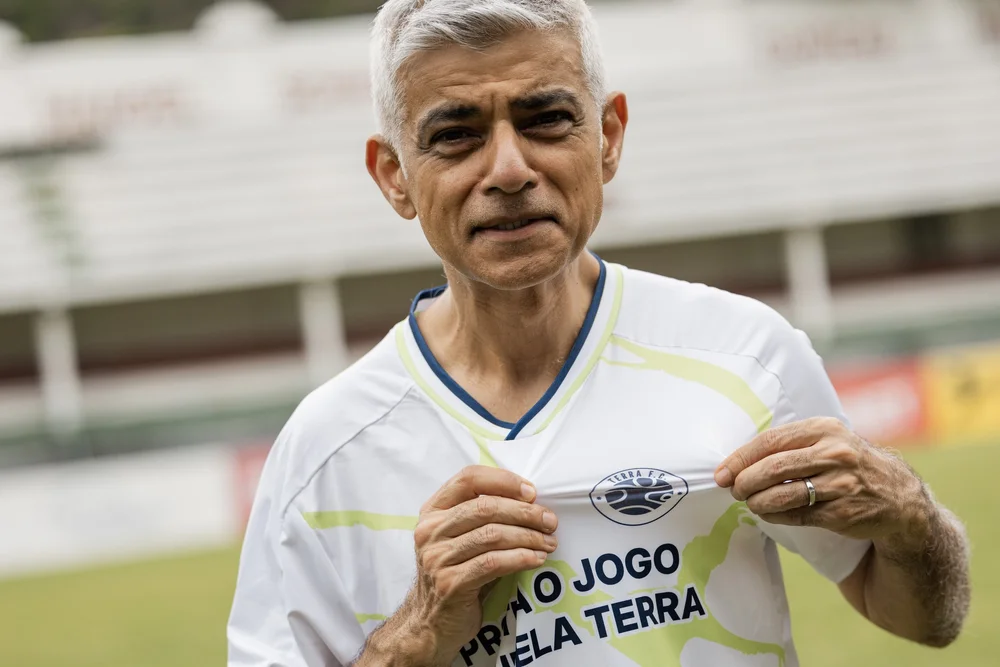
Sir Sadiq Khan
Mayor of London
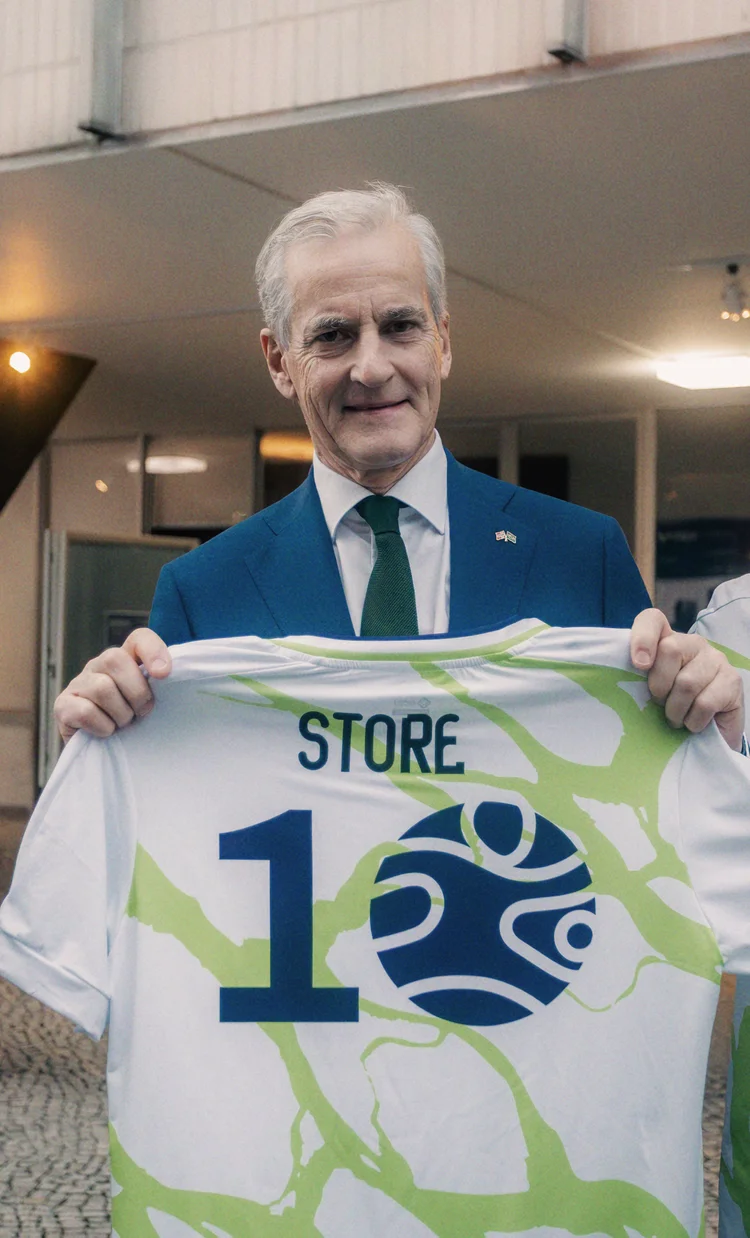
Jonas Gahr Støre
Norwegian Prime Minister
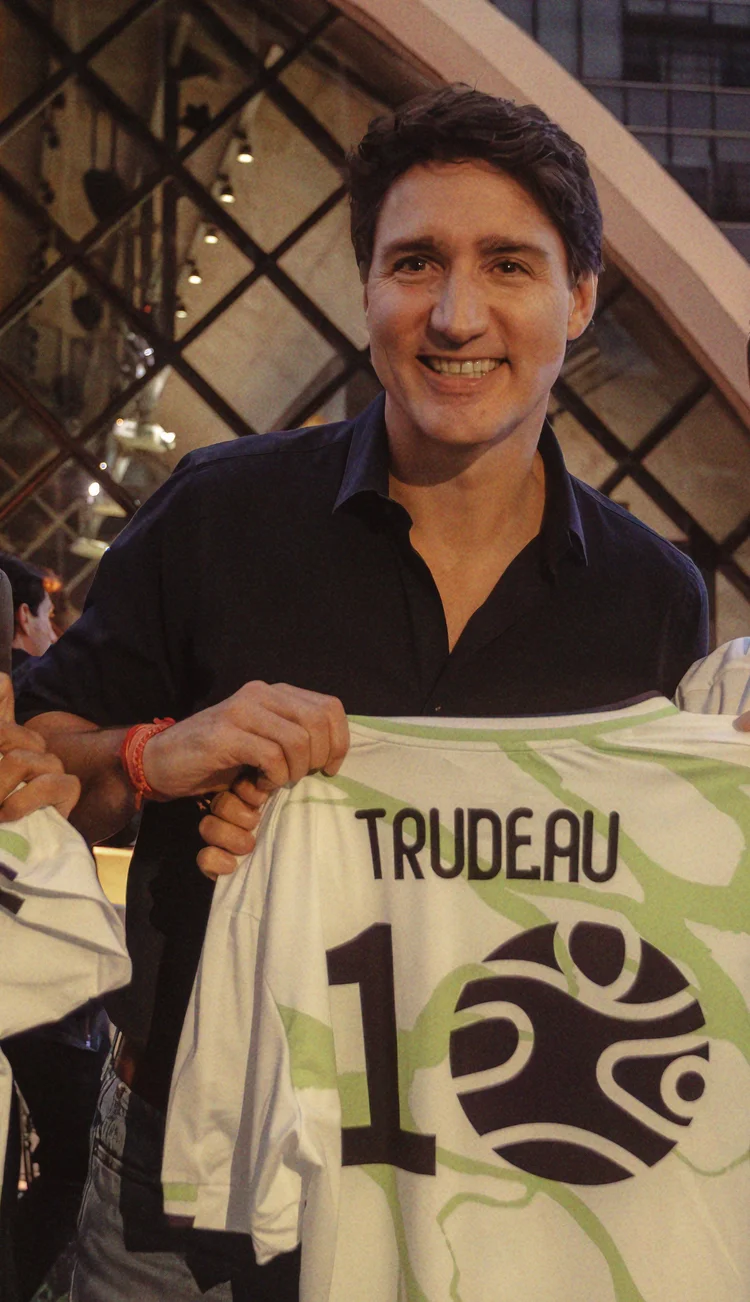
Justin Trudeau
Former Canadian Prime Minister

Tori Tsui
Climate justice campaigner
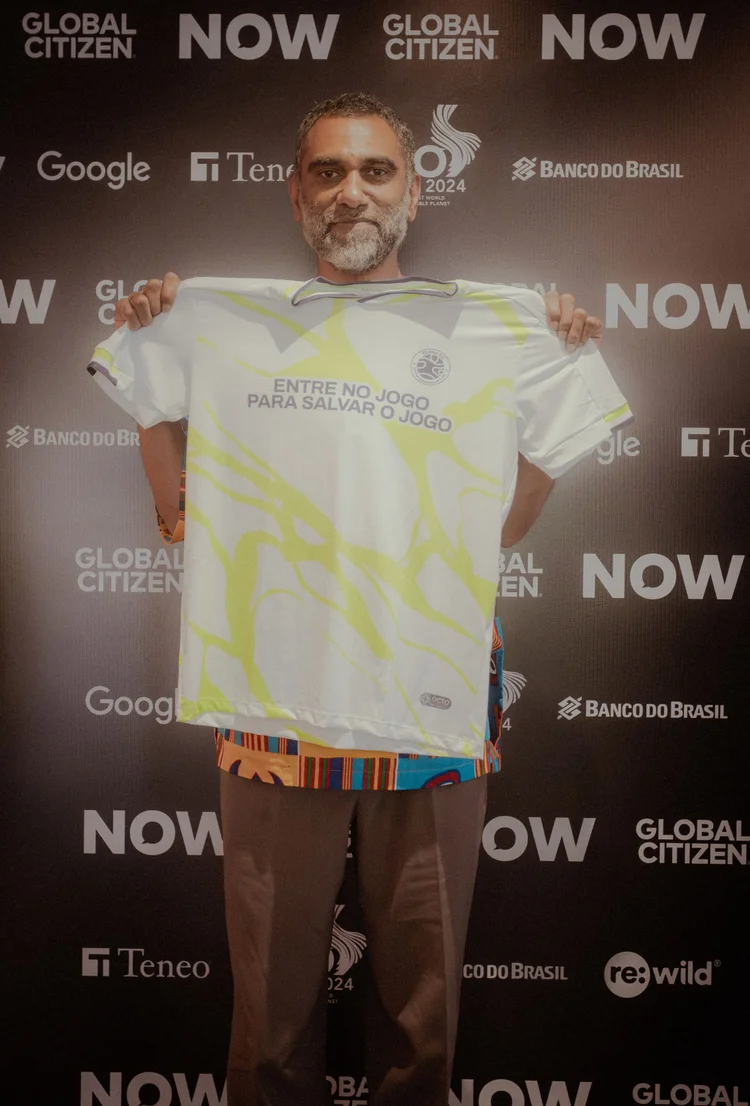
Kumi Naidoo
Human rights activist
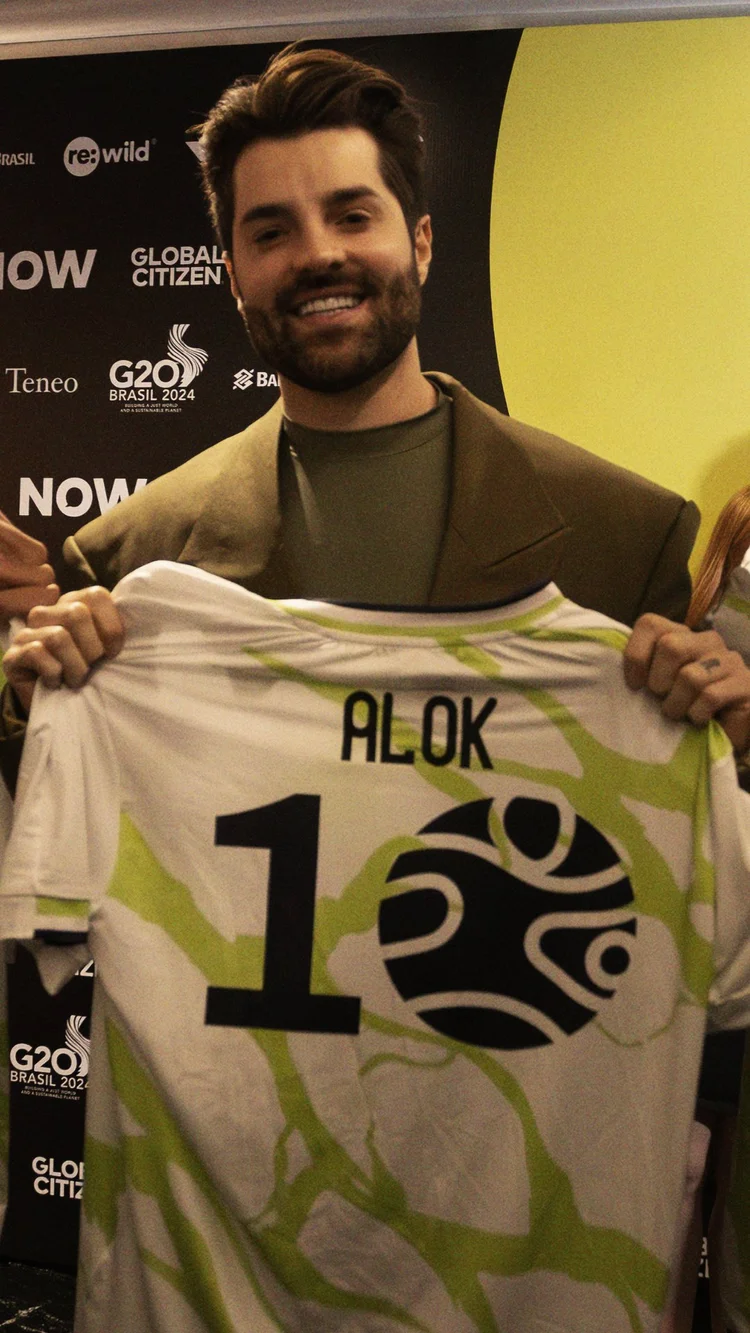
Alok
Brazilian DJ

Raull Santiago
Creator
.jpeg)
Edmílson
Brazilian football legend
.jpeg)
Natalia Guitler
Freestyle footballer

Marcelo Smigol
Journalist
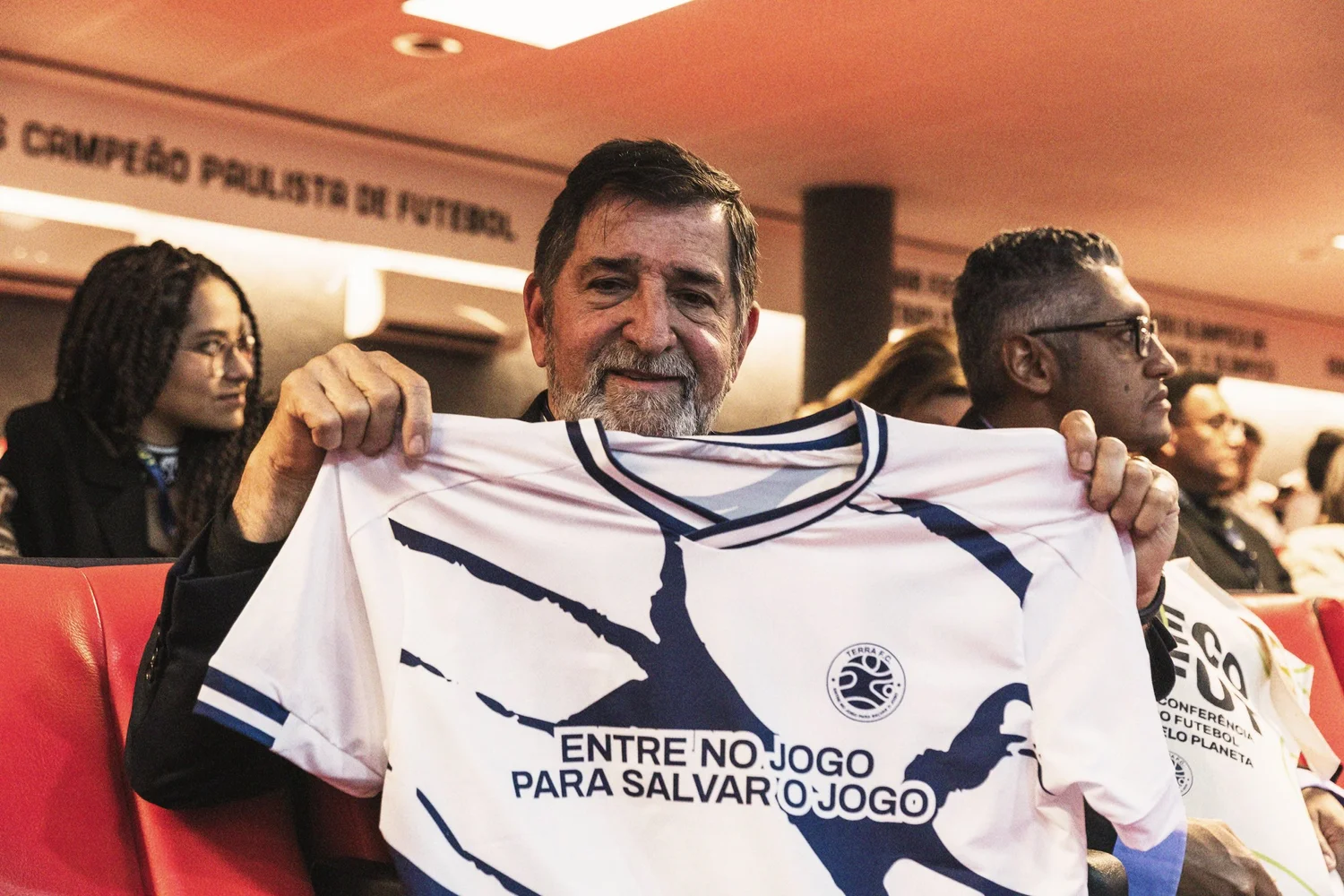
René Simões
Former football manager
.jpeg)
Daniel Braune
Creator

Mete Coban
Deputy Mayor of London
.jpeg)
Roseli
Brazilian football legend
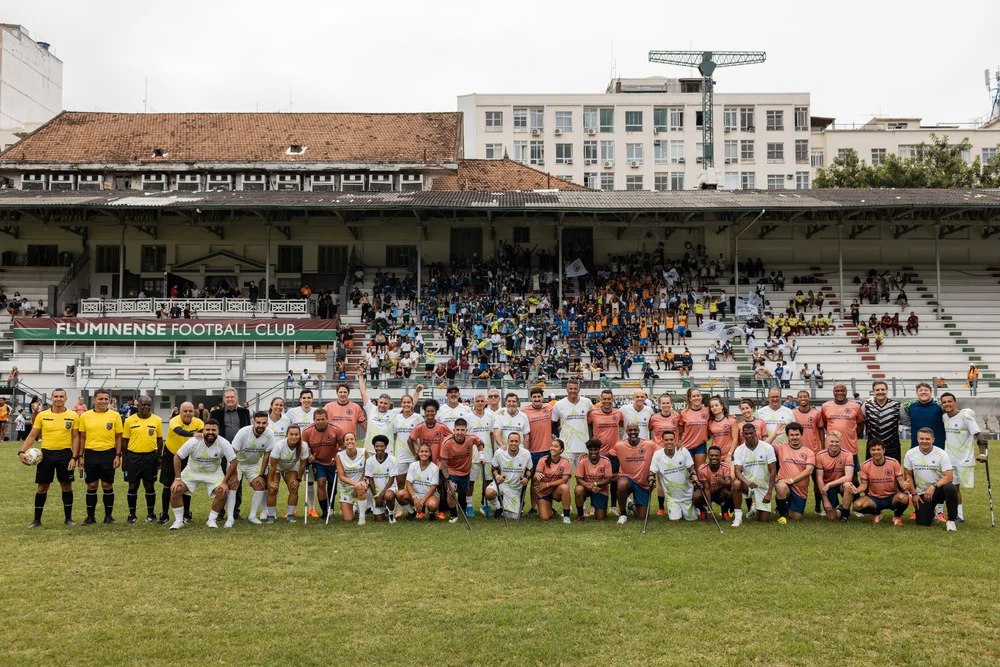
Our Fixtures

.png.webp)


.jpg.webp)






%201.png)











Earth FC
View All Stories



JOIN THE TEAM
The places we play and watch football are worth defending. So is everything the game gives us. Follow Earth FC — and tell us where football lives for you.
CLIMATE BREAKS
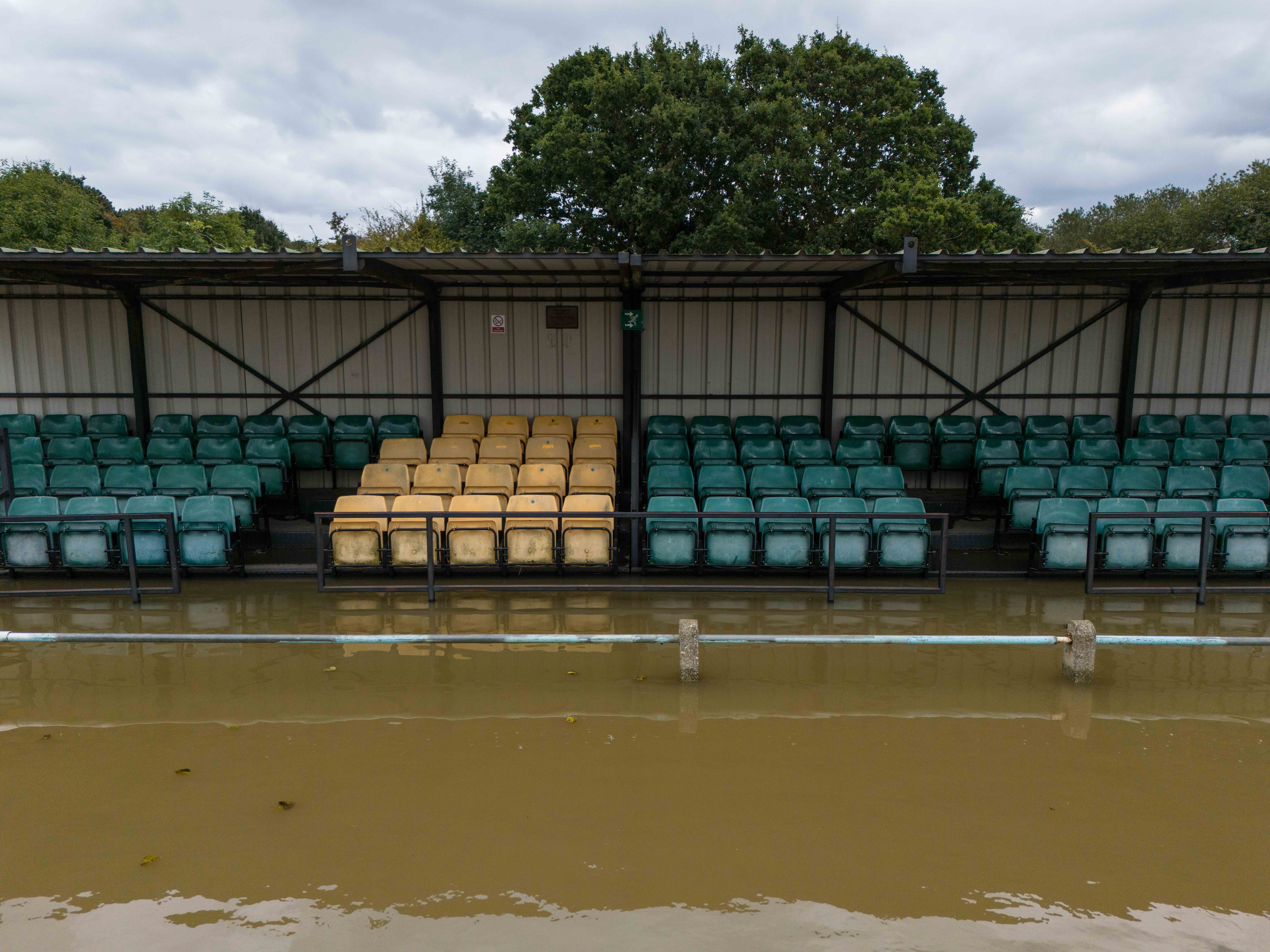
Extreme heat, torrential rainfall, and increasingly volatile weather events are no longer distant threats — they are already part of football's reality. They strain athlete performance, disrupt match logistics, put pressure on stadium infrastructure, and alter the experience of every fan, whether inside the stands or watching from home.
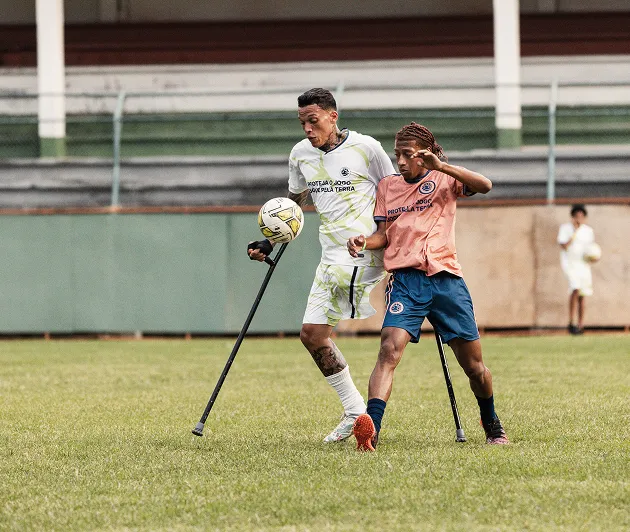
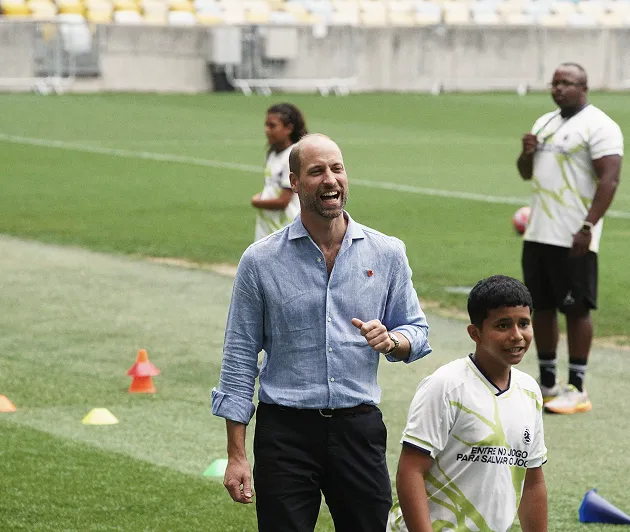
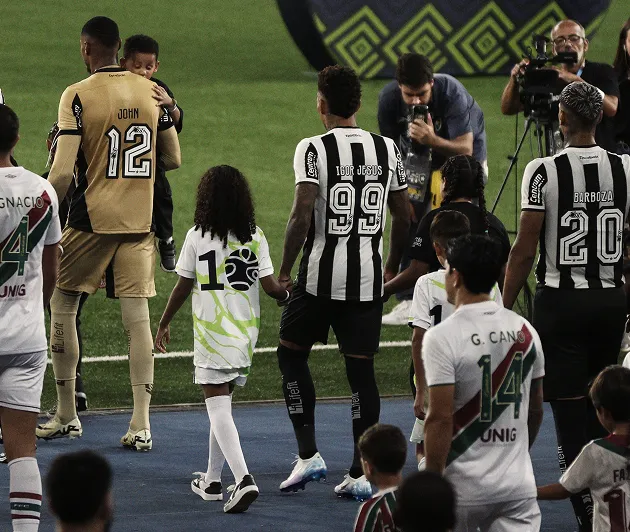
During the Climate Break, the pitch becomes a platform. Through video content, banners, and live activations, the initiative brings the climate conversation directly into the heart of the game — extending its reach beyond the stadium through radio and television broadcasts that amplify and explain the message to audiences across the region.
In action















THE GAME IN NUMBERS


CUI – Count Us In Limited is registered in England under company number 13199784, and operates as Count Us In under charity number 1195686.