
TERRA magazine: Holding back the flood
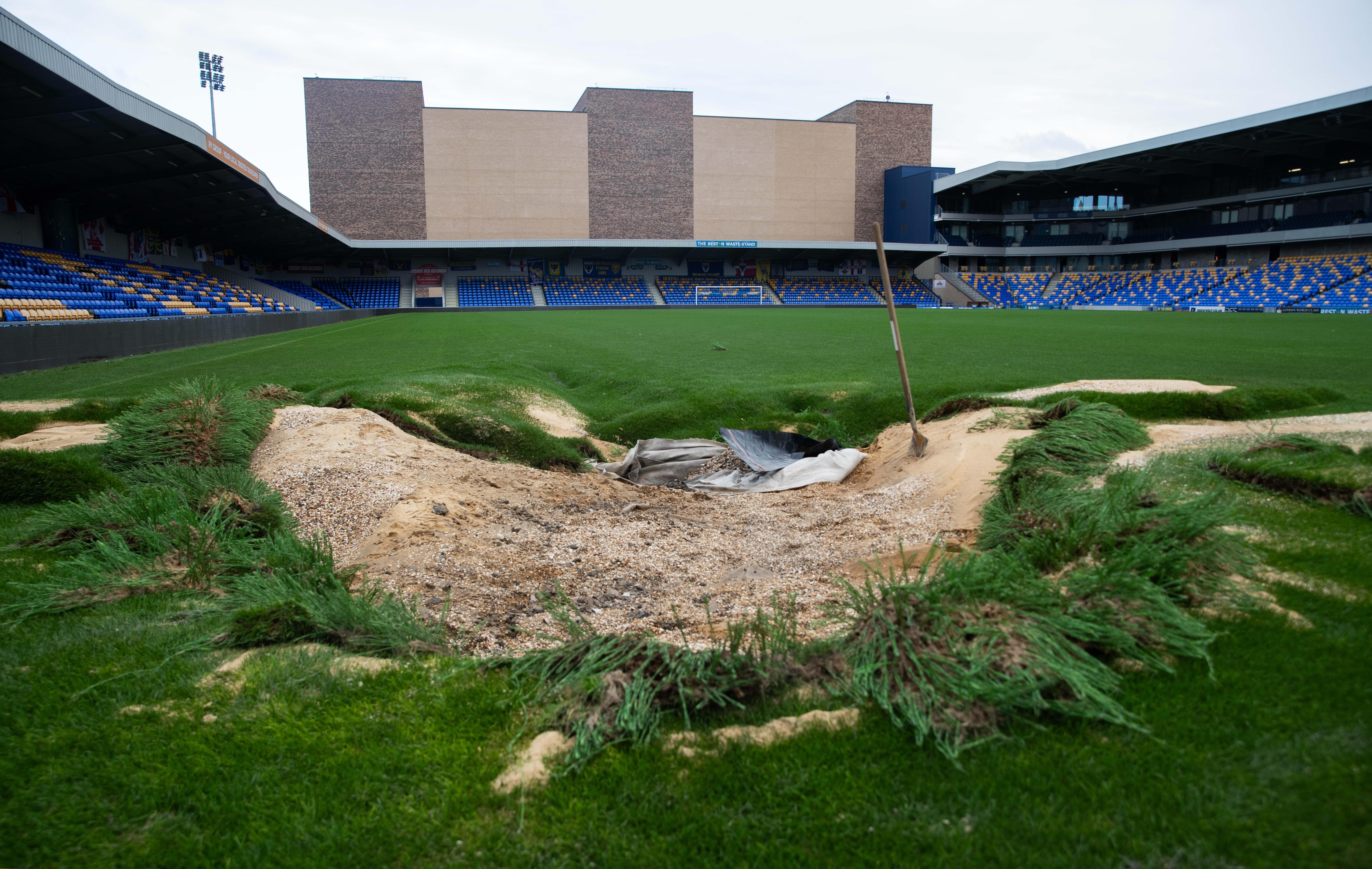
Late September 2024. From above, AFC Wimbledon’s Cherry Red Records Stadium looks like the kind of mad painting you might see in the Tate Modern; as if a Goldsmiths or Saint Martin’s graduate has hurled a can of yellow paint at the corner of a giant green canvas. Down on the ground, the playing turf of The Dons’ Plough Lane home more closely resembles an enormous Ryder Cup bunker. Severe flooding and subsequent pitch collapse are to blame.
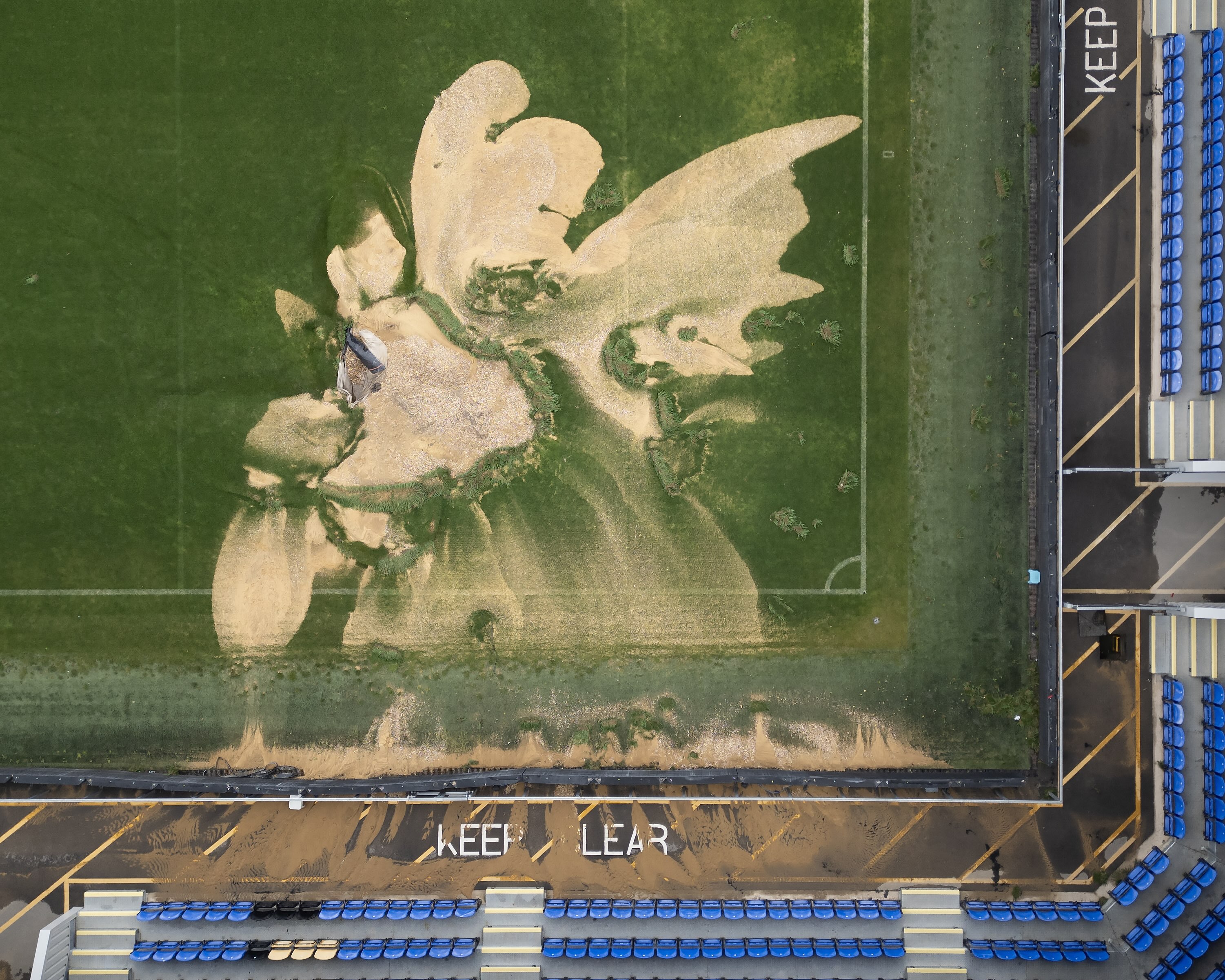
Overnight on the 22nd September, across the course of just nine hours, more than two inches of rain had fallen in this area. And if that sounds like a lot, it’s because it is — almost three times Wimbledon’s average rainfall for the entire month, in fact. This huge downpour of water has led to drains backing up overnight, the appearance of a large sinkhole on the South West London surface, and the subsequent cancellation of two home fixtures, including a League Cup tie with Newcastle United. Without a JustGiving page, which eventually raised close to £150,000, more matches might have been lost too.
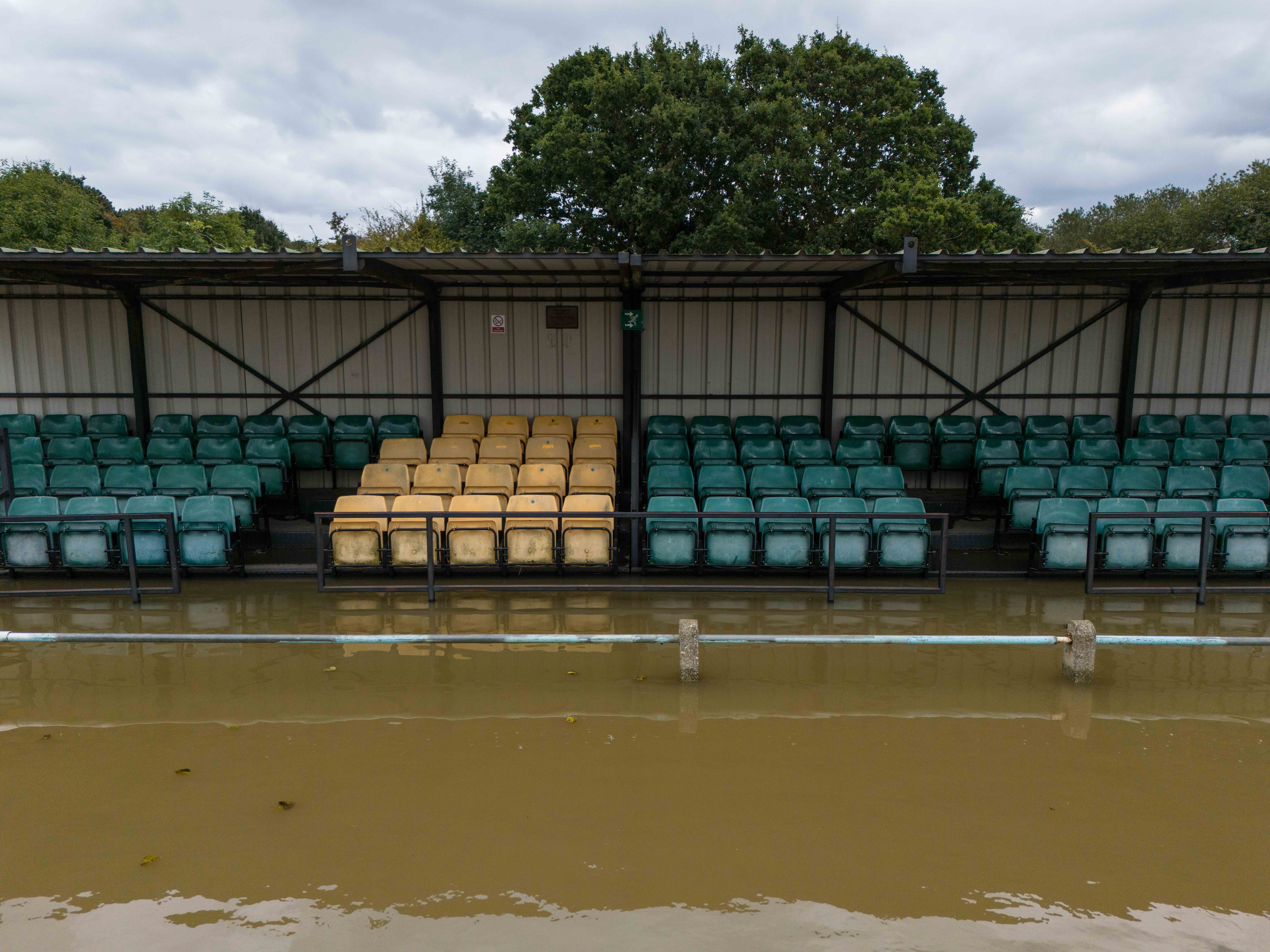
For football fans who feast exclusively on the riches of the Premier League, the story of a League Two (now League One) side’s pitch being affected by bad weather might seem par for the course. The reality, though, is that in a world of increasingly extreme weather, what happened at the home of the Wombles two years ago was merely the tip of the iceberg. And as you travel further down the footballing pyramid, away from the bright lights of the professional game, the impact of extreme weather caused by climate change comes into even sharper focus.
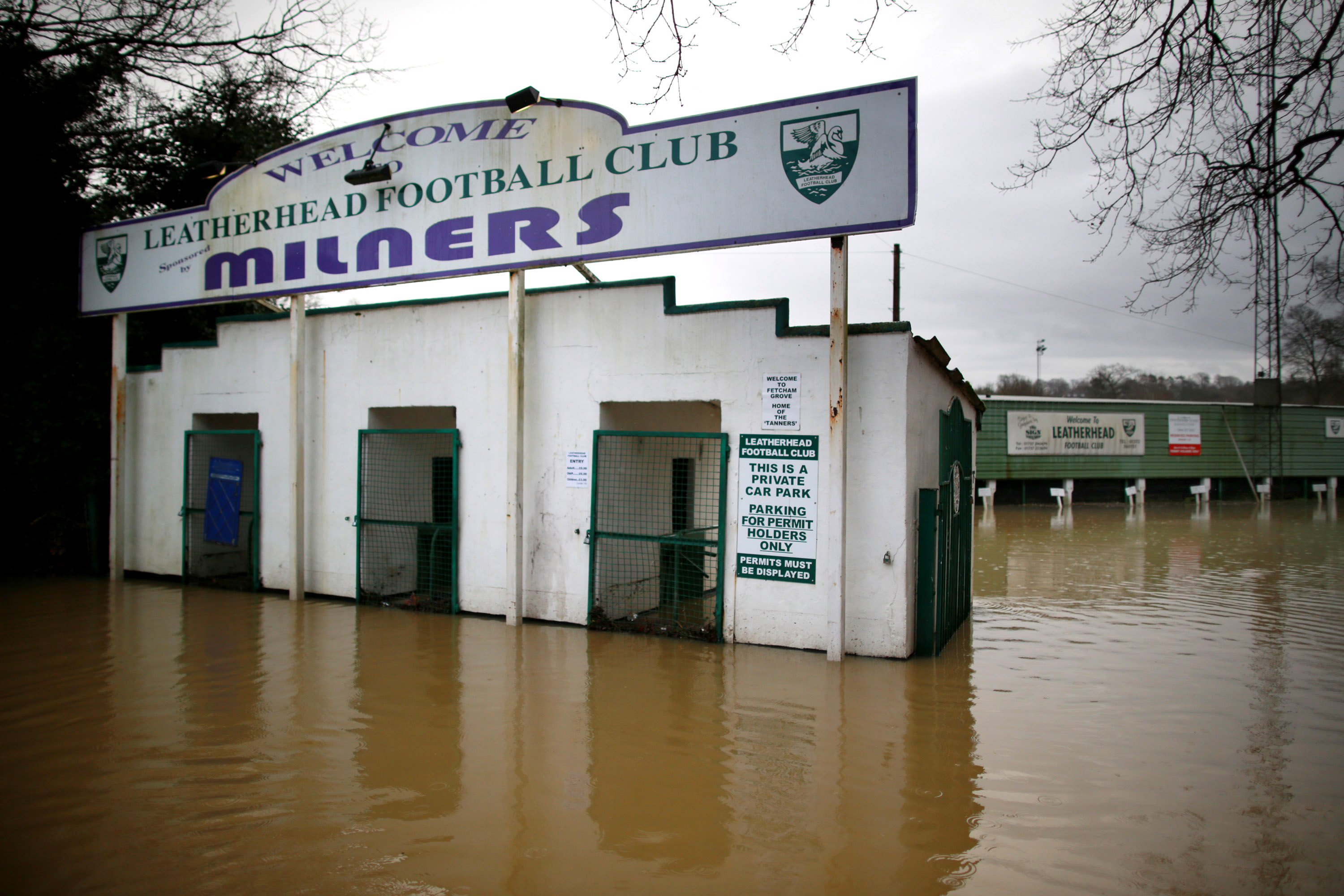
Take the story of Hereford FC. The non-leaguers, who ply their trade in the National League North, had to postpone seven league matches during the 2025/26 season. Following an exceptionally wet winter, which included a battering from Storm Chandra, the West Midlands side known affectionately as the Bulls faced a drainage crisis at their Edgar Street stadium that sent their season into a spin. It was one that they only just escaped from, with intense fixture congestion, mounting financial pressures, and the temporary relocation of home games combining to make their relegation battle even more of an ordeal. On the final day of the season, in front of 4,500 fans, a 2-2 draw with Peterborough Sports secured their National League status for another season.
Will Snapes, 27, is the Head of Community for Truro City Community Trust. Born in Truro, he’s played football in Cornwall since he was just seven years old. In the last 10 years, he’s coached various youth levels and even worked as a Football Development Officer for the Cornwall FA. He’s as woven into the fabric of the game here as it’s possible to get. In a county with no professional football team, Will has seen first-hand how extreme weather is coming with a financial and social cost for the clubs representing Cornish communities like Falmouth Town, Mousehole A.F.C. and Will’s own Truro, who sit at the top of the tree in tier six of the English football pyramid.

“At youth level, we had 1,275 postponements out of 4,642 games played. At the women’s level, we had 99 postponements out of 212 games,” Will tells me. “If you look at stats, that’s nearly 2,000 games over the course of the year that have been postponed due to the weather down in Cornwall.”
For football clubs of modest means, the spreadsheet implications of so much weather-affected football can be dire. With sponsors wanting value for money and matchday income drying up, there’s a knock-on effect of the wider environmental issue that Will is only too aware of.
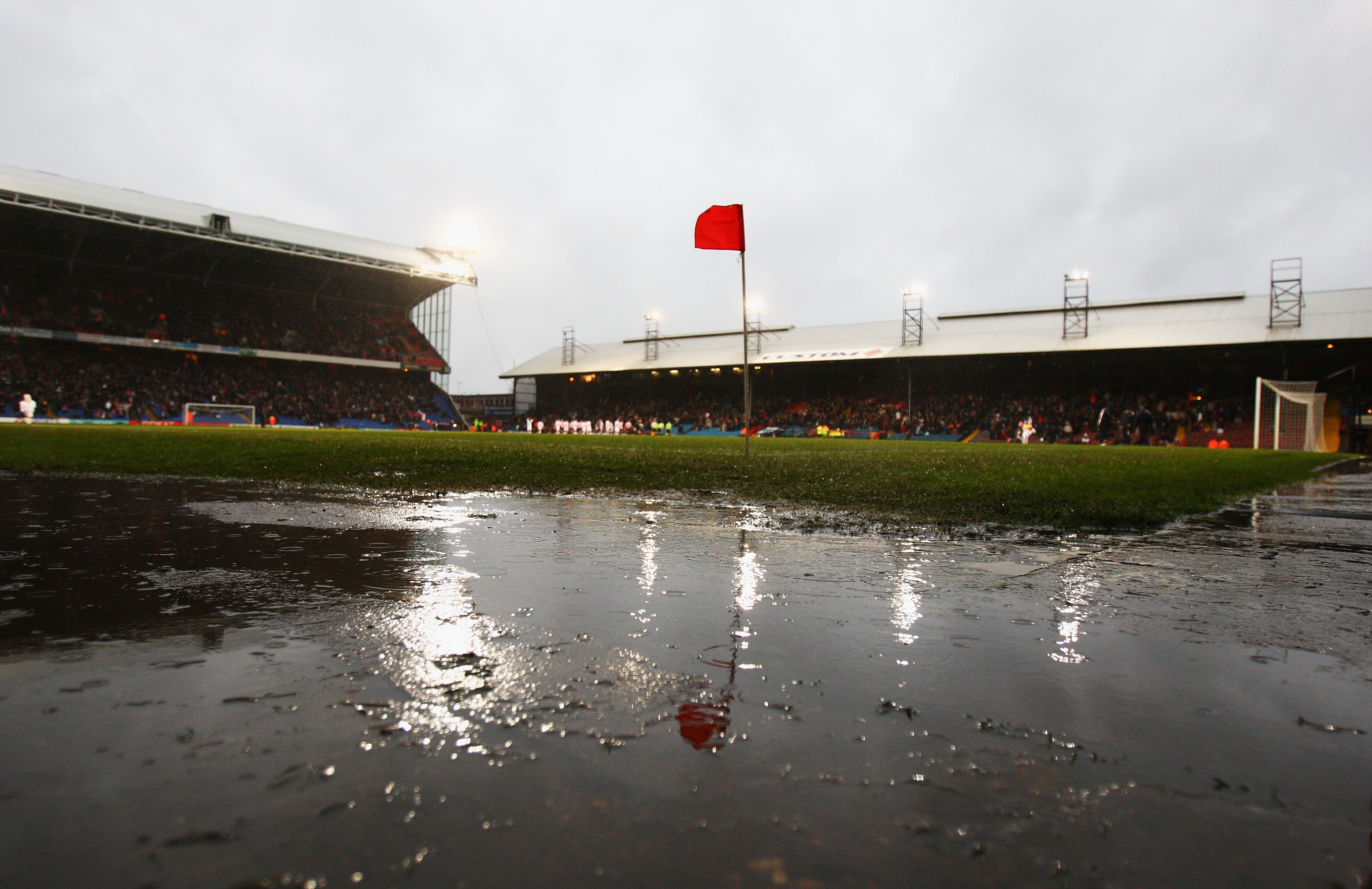
“If there’s long periods where teams go 10 or 12 weeks with no fixtures, that’s three months of no games, no income over the gate, no income over the bar. No player subscriptions going into the club. If clubs are losing out on that money, and also that cash flow during a two to three month period, if they’ve got bills to pay or rent to pay or leases to upkeep or licences to pay for, it leaves them at massive, massive loss,” Will explains, before talking me through how semi-professionals often bear the brunt of this.
“Players are missing out on wages and income. It might not be anything big. It might be 20 quid a game or 40 quid a game or 100 quid a game,” he says. “Some grassroots players will be reliant on that money to pay for their rent, pay for bills, pay for university tuition, whatever. If they’re having prolonged periods where they’re not playing football and they’re missing out on that income, it’s massive for them.”
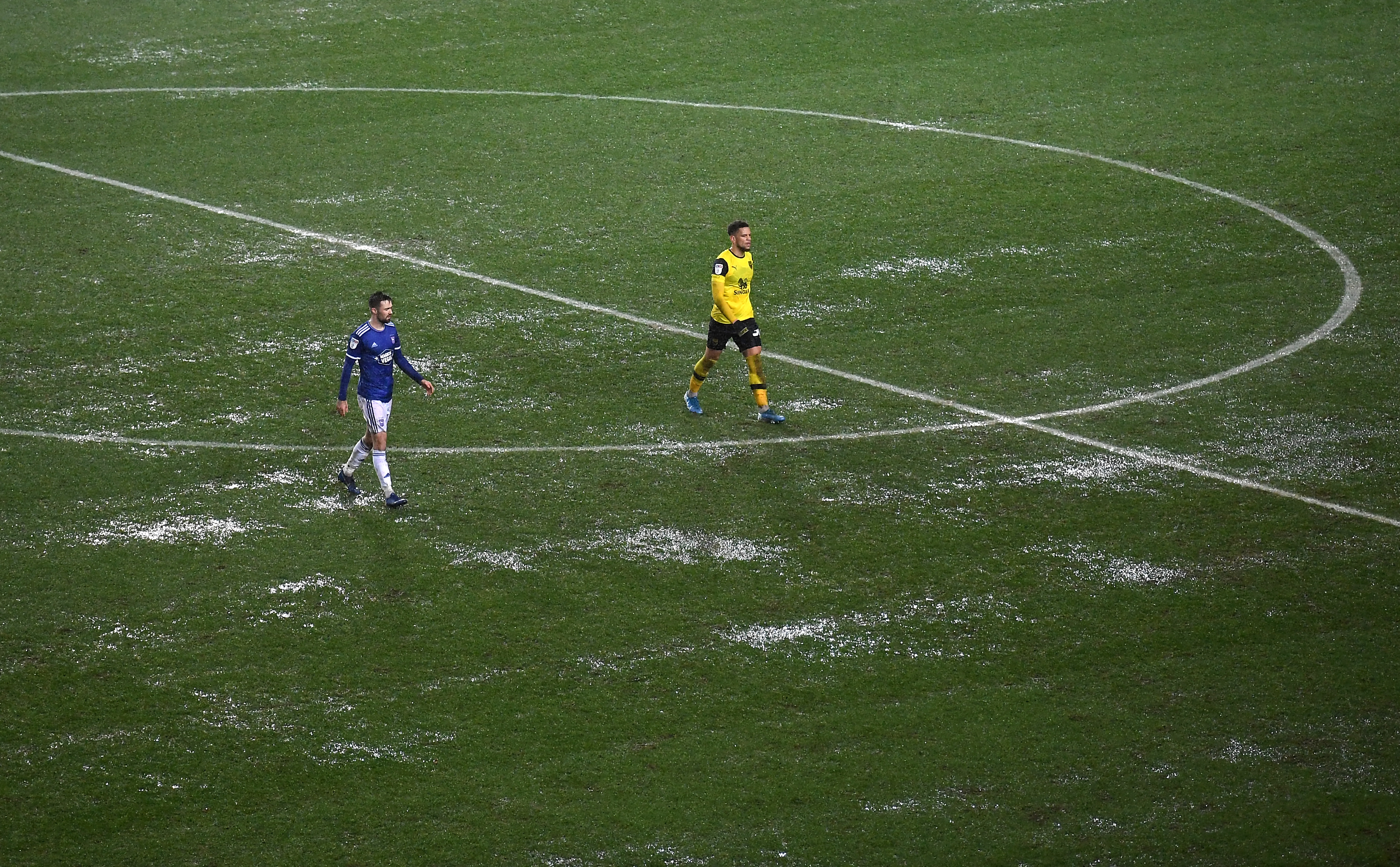
Of course, many of us can only ever dream of being paid even small sums to play football. But the inclement weather and subsequent postponements, as Will points out, are now impacting engagement and testing amateurs’ willingness to commit to the sport.
“It does just lead to people losing interest,” he tells me. “If I’ve not played football for a couple of weeks and it leads to me losing fitness, I might start thinking: do I really want to go back and train? Do some runs during the week? Or, do I just leave it? I might just say that I’ve got an injury or a family event on. They are the realities of what goes through football players’ heads.
“We need the younger generation of players to want to stay committed to then feed into the game, and be there for a long period of time, and keep these clubs and teams running and going.”
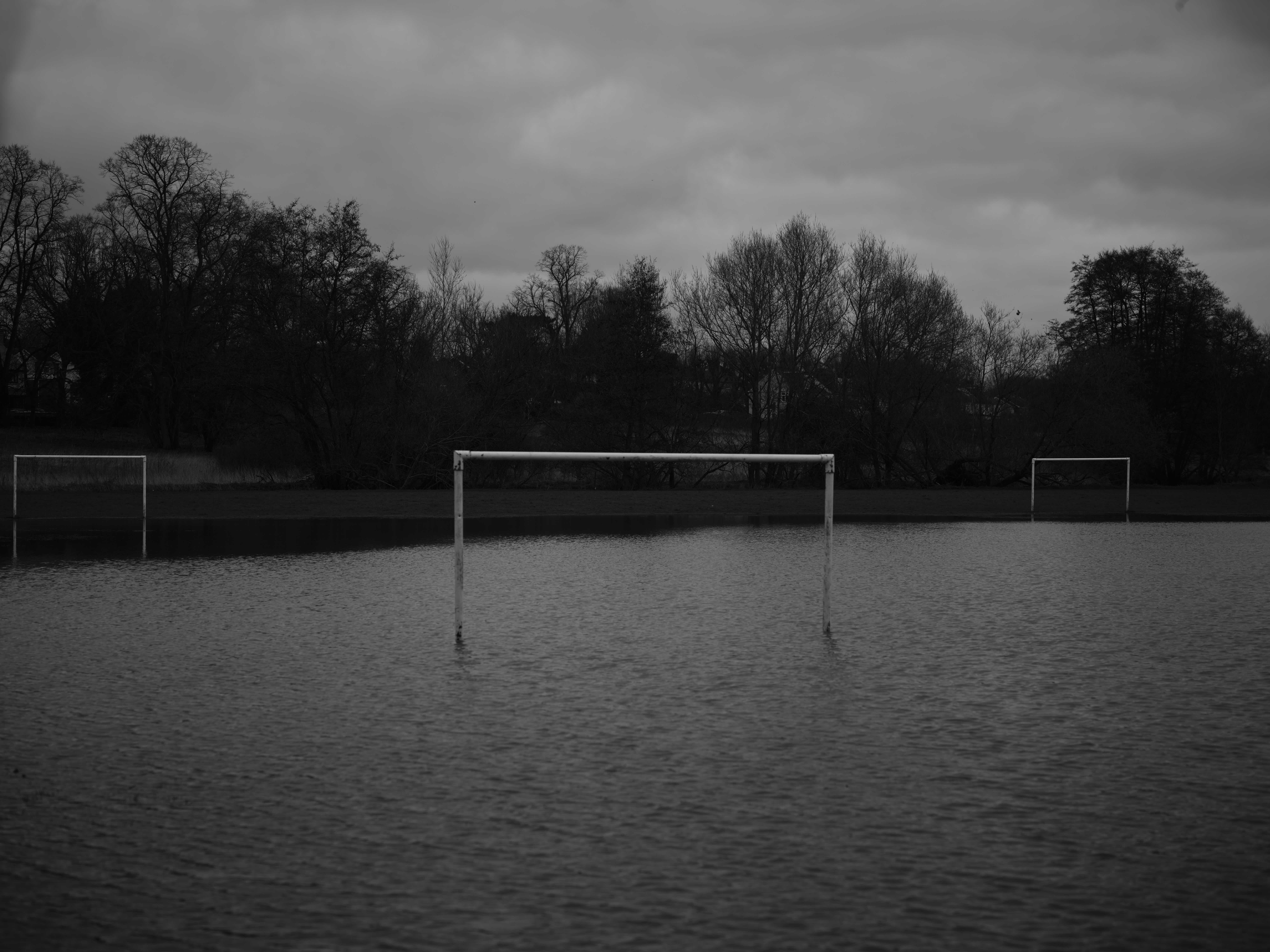
For those not emotionally invested in the game, it can be hard to gauge what’s lost when the football goes.
“You really can’t put a value on going to a football match with your mates, or just enjoying yourself and cheering on and supporting your team. It’s that little bit of release that people need from work or family life or just the stresses of life in general,” says Will. “From a playing point of view, that camaraderie that you get being amongst the team and being amongst people that you’ve known and grown relationships with over a long period of time can put that little smile on your face that you need after a tough week.”
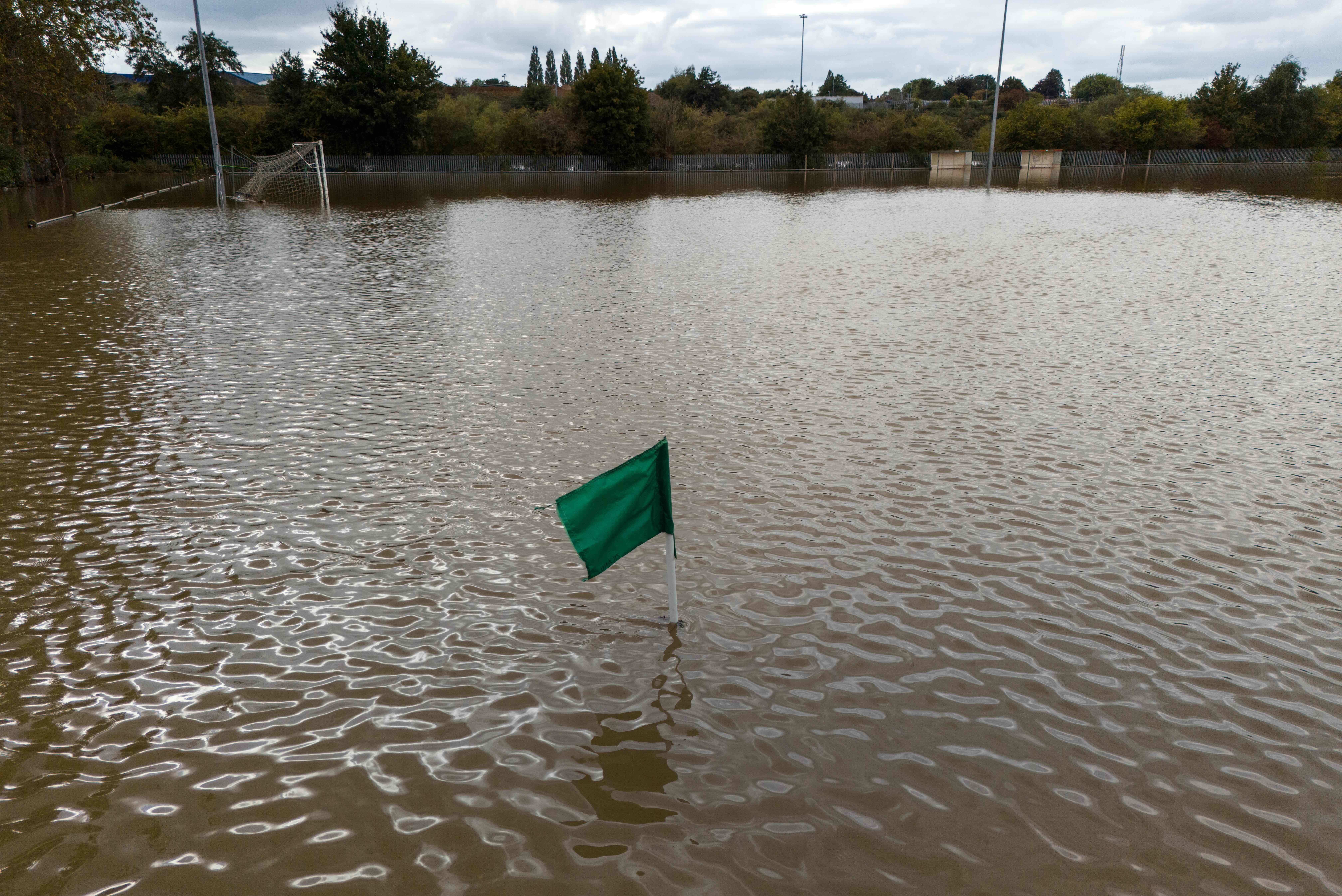
With clubs struggling to make ends meet and facing existential threats, and talk of effects on mental health, the doom and gloom is palpable. Will isn’t writing the obituary for grassroots football in England’s southernmost county just yet, though. Far from it. Amongst the dark, he strikes a cautiously optimistic note around resilience, sustainability and collective action. His is a vision for the future where teams help each other out, and work together to build the infrastructure that’s needed. Less dog eat dog, more cross-collaboration, long-term planning and getting the funding for climate adaptation projects.
“People within football make stuff happen regardless of what’s available to them or the challenges that are posed to them through the weather,” says Will. “The more cohesion there is, the better network there is within grassroots football clubs, the better they operate. Football is always seen as such a tribal thing. You’re always fighting for the same players, for the same income, everything… My hope is that people will focus on how they can support other clubs because, in turn, that will then mean that the quality of grassroots football in Cornwall rises together.”
Words: Jack Clayton
Images: Getty Images


CUI – Count Us In Limited is registered in England under company number 13199784, and operates as Count Us In under charity number 1195686.