
TERRA magazine: Play up Gavião Kyikatejê!
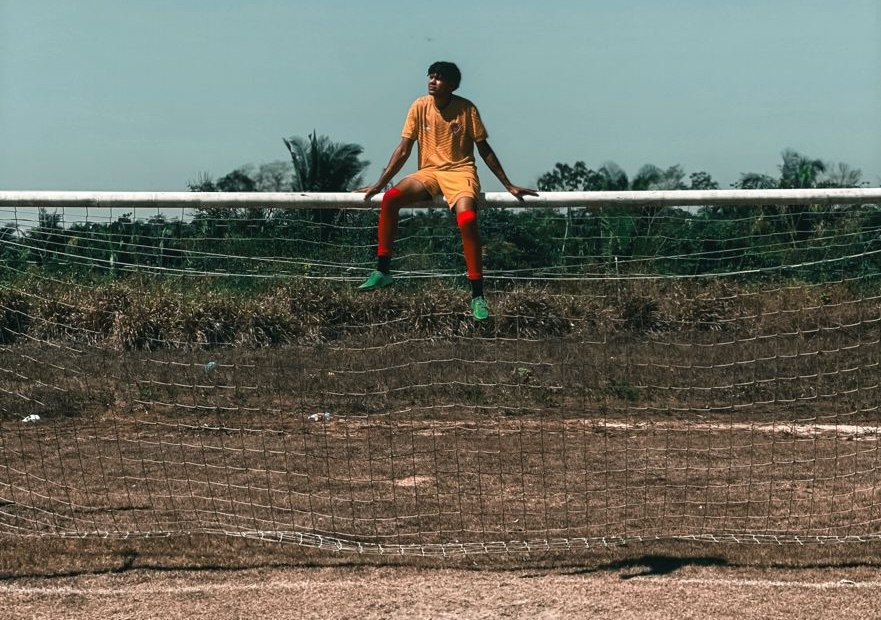
Inspired by an offensive comment from a football manager, award-winning filmmaker and creative director Victor Toyofuku began a journey that took him deep into an indigenous community whose devotion to the beautiful game blew him away…
You realise football was never separated from their culture. It became incorporated into their reality.
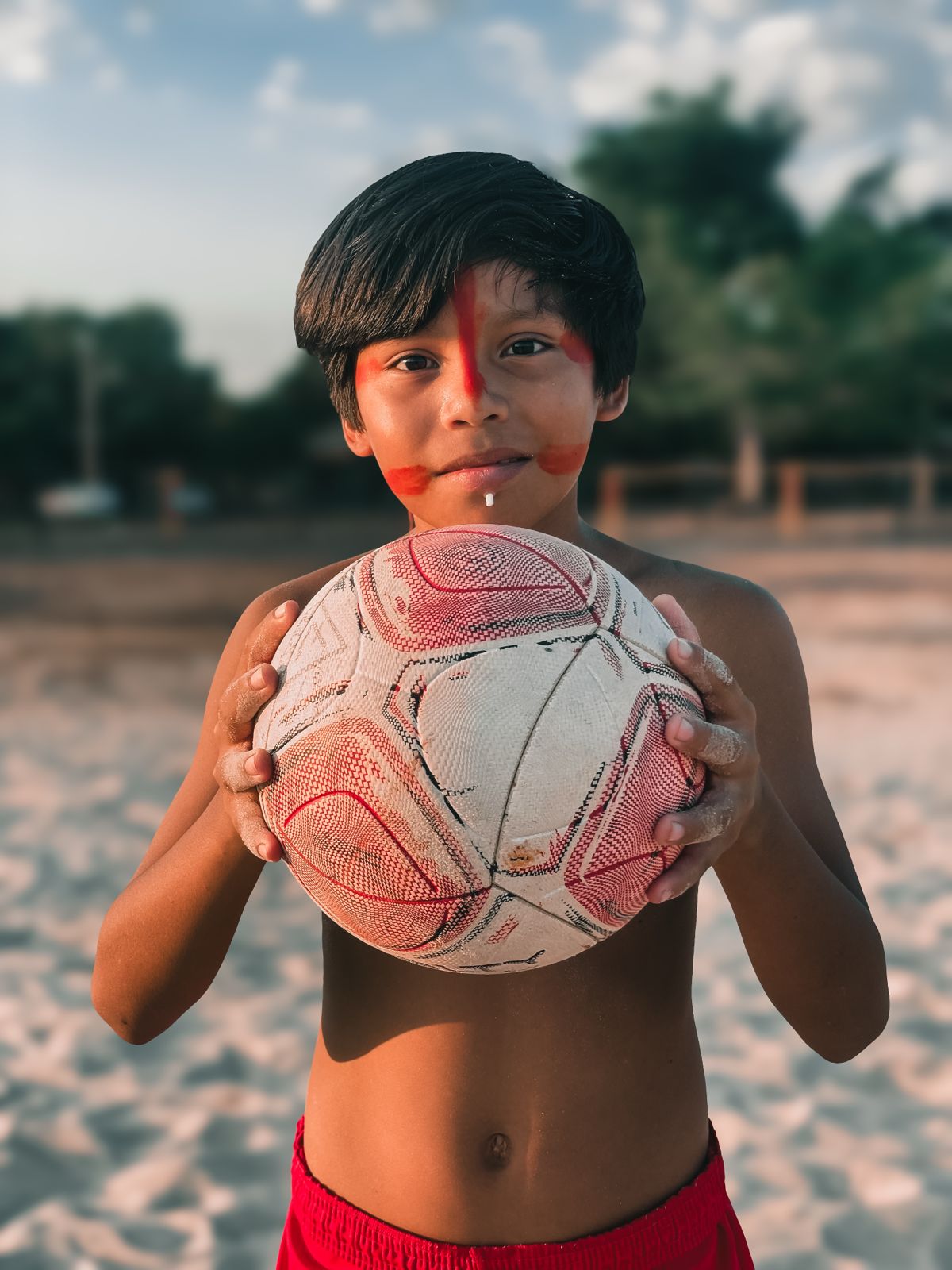
WHY DO YOU THINK FOOTBALL IS CAPABLE OF GENERATING SUCH POWERFUL STORIES?
Emotion. Sport moves emotion. And emotion moves people. I always compare it to music. Sometimes you don’t even love a song because of the lyrics, but because it takes you somewhere — to a memory, a feeling, a moment. Football does the same thing. It makes people stop for two hours in front of a TV or inside a stadium feeling everything very intensely. And football has something unique: attention. It’s the most popular sport in the world. The entire world stops to watch a World Cup. So you combine emotion with attention. You have millions of people simultaneously open to feeling something.
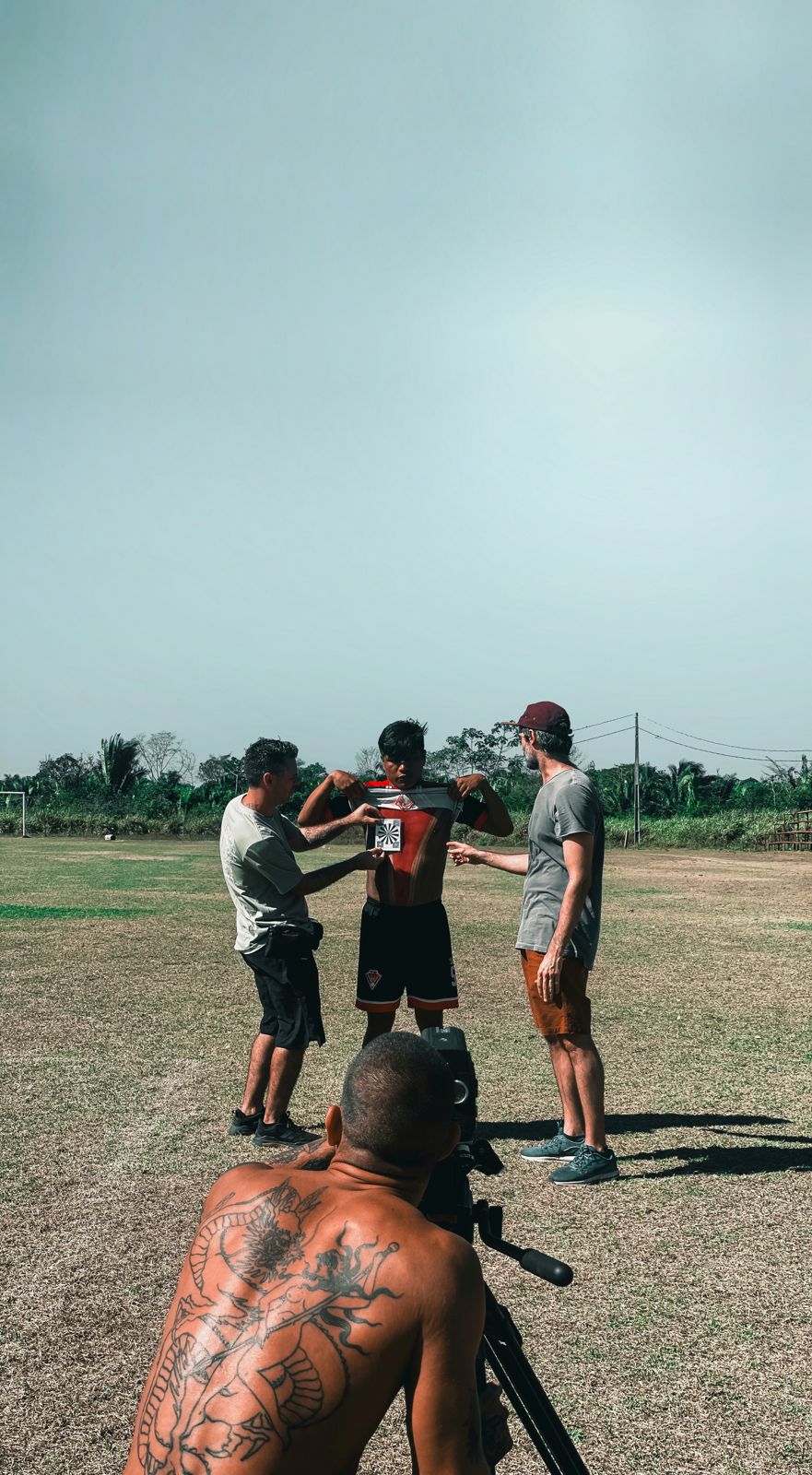
HOW DID GAVIÃO KYIKATEJÊ COME INTO YOUR PATH?
I was living in New York when I saw a postmatch interview with Palmeiras coach Abel Ferreira. He said: “We’re organised, Palmeiras is not an indigenous team.” That immediately bothered me. It sounded outdated, disconnected. And then a question popped into my head almost automatically: “Wait… is there an indigenous football team?” So I started researching and found Gavião Kyikatejê. They already had a huge history: FIFA documentaries, major articles, reports everywhere. It wasn’t some hidden story. When I read that the club had been created as an indigenous team, and that their dream was still to keep the squad entirely indigenous, that really hit me. I thought: ‘Man, this story needs to be told.’ Then began my journey to reach
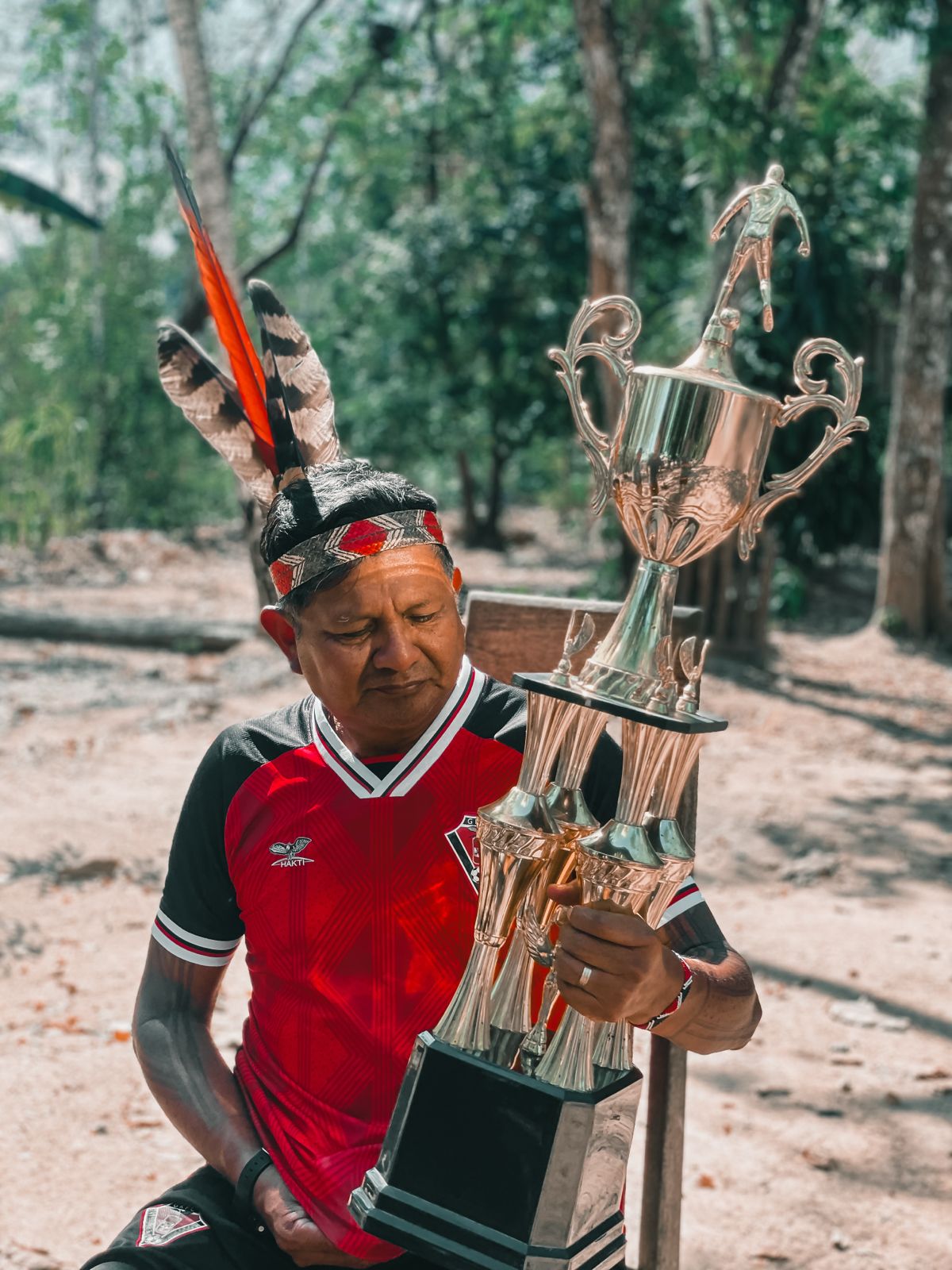
Seu Zeca, who is simultaneously the chief, the club president and the head coach. I got his number and messaged him without even knowing exactly what I wanted to propose. I just knew I needed to do something. During our first conversation, I explained how I felt hearing Abel’s statement, and he told me something I’ll never forget: his people wanted to publicly respond to Abel, but he was waiting for the right way to do it. And I said: “Let’s not respond with anger. Let’s do something bigger. Let’s tell your story.”
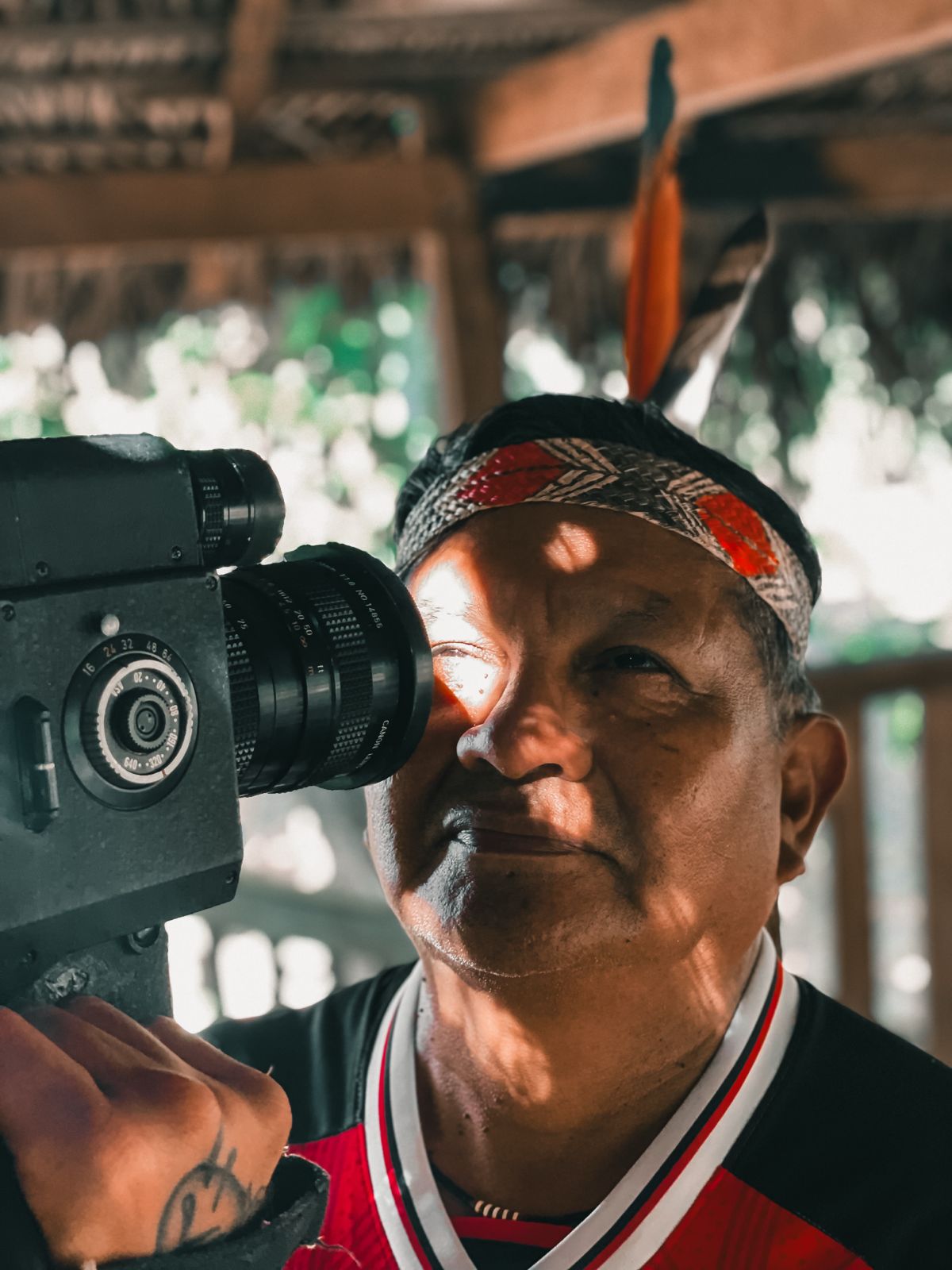
WHEN YOU GOT TO KNOW THE CLUB UP CLOSE, WHAT SURPRISED YOU MOST ABOUT THEIR RELATIONSHIP WITH FOOTBALL?
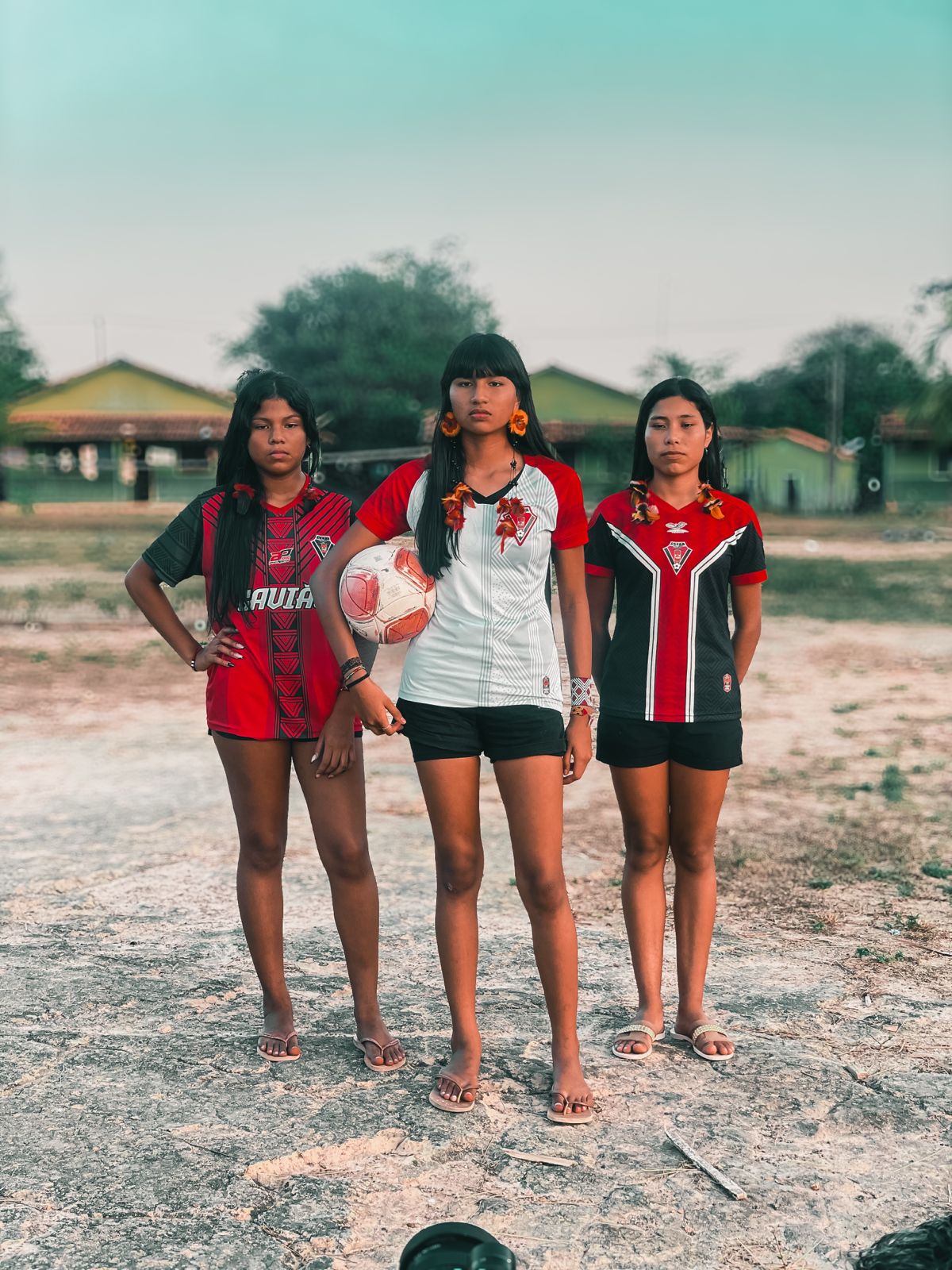
The entire village breathes the team. It’s honestly hard to explain. You walk through the village and see an eighty-year-old woman wearing a Gavião shirt. Then you see kids. Then the boys training. The girls also have their own team — Seu Zeca’s daughter even plays in the women’s side. It’s like a tiny separated world where only one club exists and everyone supports it. The boys grow up already belonging to Gavião. There, the club isn’t just entertainment or something people watch on television. Football runs through everyday life in the village. The whole experience was incredibly intense. We spent several days in the village, and our perception kept changing the entire time. I had a completely different image of what an indigenous village would look like. And when you arrive there, you realise the reality is much more complex, alive and contemporary than the stereotype people usually carry.
FOOTBALL LIVES IN MANY PLACES BEYOND THE BIG STADIUMS. AFTER SPENDING TIME WITH GAVIÃO KYIKATEJÊ, WAS THERE ANY MOMENT THAT CHANGED THE WAY YOU SEE THE RELATIONSHIP BETWEEN FOOTBALL, TERRITORY AND EVEN THE ORIGINS OF THE GAME ITSELF?
When you’re standing on their pitch, in the middle of an indigenous reserve, you understand that in a very concrete way. And somehow it took me directly back to my own origins playing football. When I started playing in Santana, in São Paulo, there was no proper pitch. We played on a sloped cobblestone street. The ball bounced weirdly, rolled unevenly. And that was football. So being there in the village kicking a ball around with them reconnected me to the essence of the game. Because football is born from that. From improvisation, from coexistence, from people gathering together in whatever space is available. It’s not necessarily about stadiums, perfect infrastructure or television broadcasts. Football is a social practice deeply connected to the environment where it happens. If there’s no space, there’s no football. And that became very clear to me there. The professional football we watch today is for very few people. But the football that makes people fall in love with the sport is born precisely in these spontaneous and alive spaces. This project deeply reconnected me with that.
DID YOU ALSO NOTICE THE UNIQUE ENVIRONMENT DIRECTLY SHAPING THE WAY THEY TRAIN AND LIVE FOOTBALL?
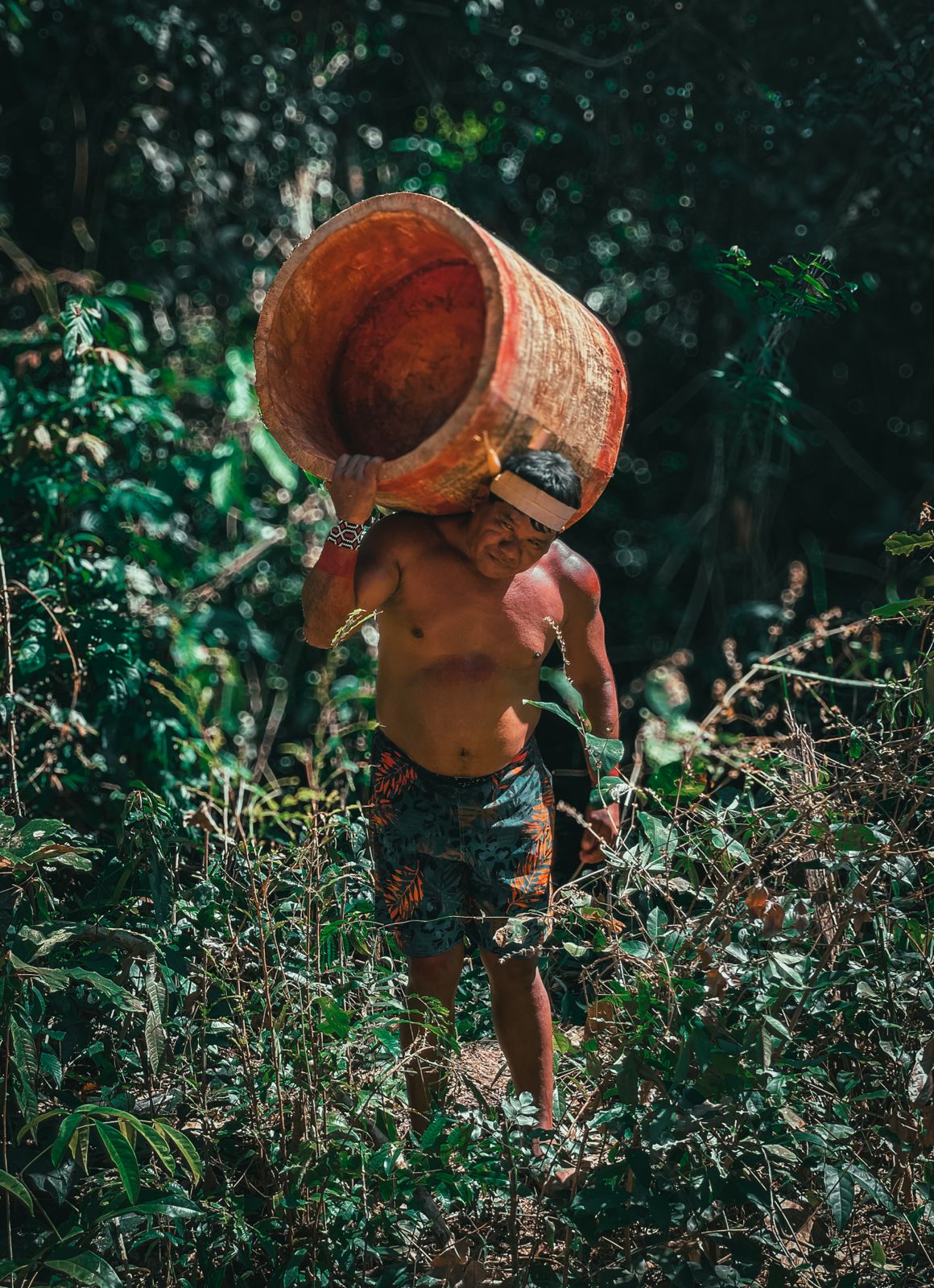
Absolutely. The Gavião team blends many elements of Kyikatejê culture into football itself. Part of their training involves wooden logs and exercises connected to the community’s traditions. You realise football was never separated from their culture. It became incorporated into their reality. On our very first day there, we had a fish barbecue using fish they had caught in the river less than one hour earlier. When the boys turn sixteen, they spend an entire week alone in the forest as part of a traditional rite. There isn’t this rigid separation between everyday life, nature and football. That even affects how they train and organise their routine. They usually train later in the afternoon because the heat during the day is too intense — the climate itself shapes their schedules. But the most impressive thing is that the entire village lives through the club. Everyone follows it. Everyone wears the shirt. Everyone participates. So football stops being just a sport and becomes almost an extension of the community itself.
TODAY, WE INCREASINGLY SEE EXTREME WEATHER AFFECTING FOOTBALL. DID THE PROJECT CHANGE THE WAY YOU THINK ABOUT PROTECTING THE ENVIRONMENT AS A WAY OF PROTECTING FOOTBALL ITSELF?
This is already happening right in front of us. And sometimes we barely notice it. Today, technical breaks due to extreme heat are becoming almost mandatory. Players collapse on the pitch. Artificial turf becomes dangerously hot. Football is a sport that depends on the external environment. So if we don’t protect that, how are the next great players going to emerge? How will kids keep playing in the streets if the heat becomes unbearable? Football needs to understand the power it has as a platform. It is an influencer. Because when you talk about climate in an abstract way, many people simply tune out. But when you show that climate is directly affecting the game itself, it suddenly becomes real. The biggest lesson was realising that, for Gavião Kyikatejê, football and territory are intertwined in a very natural way. The team doesn’t just represent a village. It embodies a history, a language, and a fan base. When they take the field, it’s not just a game. It’s a community saying, ‘Hey, we’re here’.
Interview: Ana Isa Bastos
Images: Victor Toyofuku


CUI – Count Us In Limited is registered in England under company number 13199784, and operates as Count Us In under charity number 1195686.