
TERRA magazine: When in doubt, practice opposites
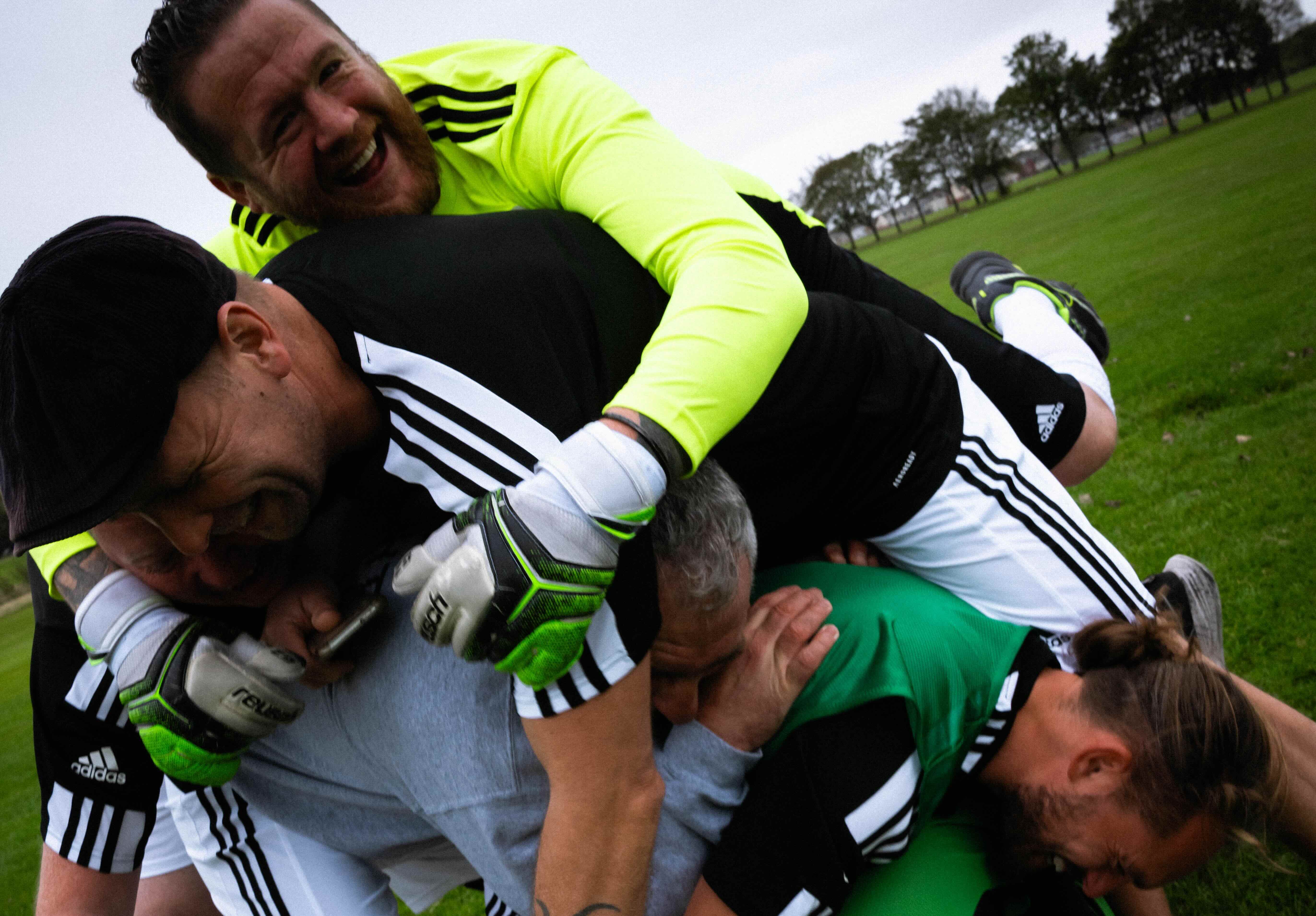
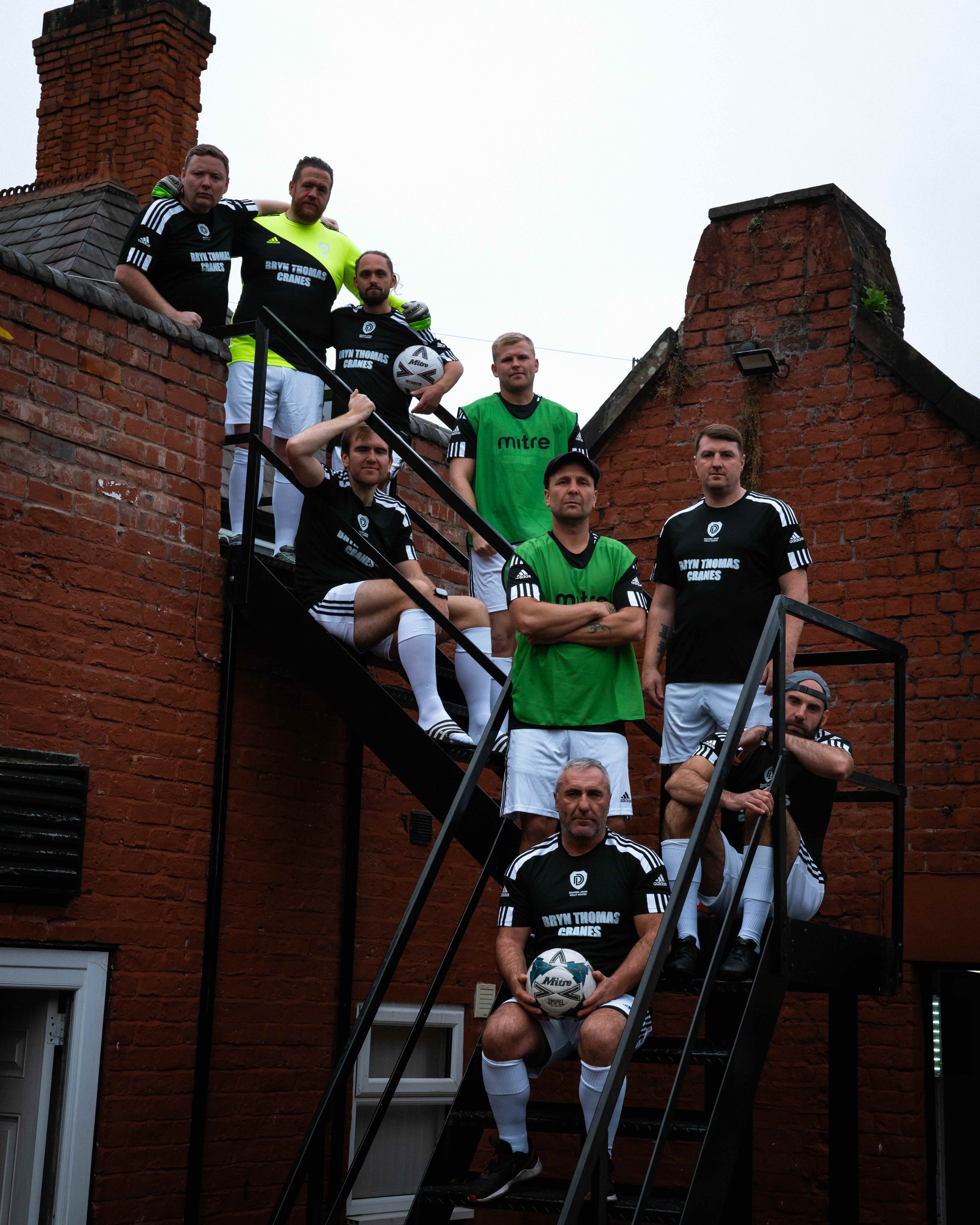
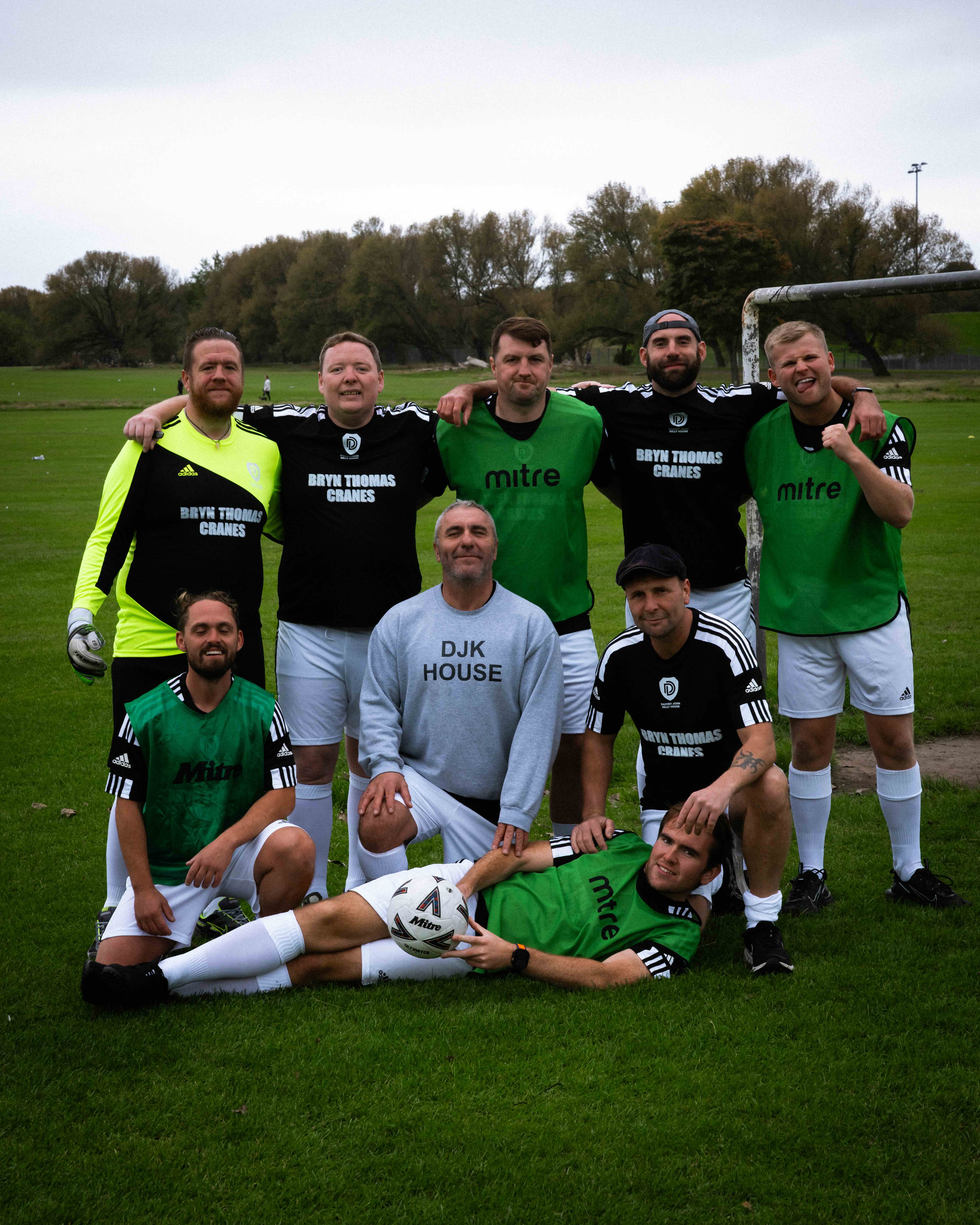
When is football not really about football? When we at Damien John Kelly House play every Thursday afternoon, in Toxteth, Liverpool Eight. Seventeen men, in recovery from addiction, live there. It’s one big house in nearby Wavertree, and a former police station and pub, ironically enough. Two floors. Nine rooms upstairs, eight downstairs. A tight ship is run. It has to be.
One resident is about to reach 12 months clean and sober. It’ll be the first time in his adult life. He’s now a devoted dad and partner. He’s got real leadership qualities and has become interested in personal growth. This wasn’t the case when he first moved in. His aggression and temper came out on the pitch. He’s a great footballer. Big strong playmaker, with quick feet and an eye for a defence splitting pass. He’s played at a decent level, where that menace will have served him well. Not anymore, though. We had to talk to him about it. We had to ask him not to play if he couldn’t keep a lid on it. We were there to help him, but we couldn’t keep repeating the same pattern.
Thankfully, he got his head around it. He understood that it wasn’t the scoreline that was important here. As a result of maturing on the football pitch, it’s had a knock-on effect. Miraculously, he’s now a calming influence on some of the newer, younger residents. He’s far more open to different routes to recovery as well. A regular attendee at book club, breathwork sessions, AA meetings. He even organises a monthly meal for everyone at a local restaurant. Football, eh? People like him arrive here via various routes: rehab, detox, prison, word of mouth, social media, whatever. It doesn’t really matter. The thing they all have in common is that they are lost and have had enough of the way they’ve been living.
We go by a (half joking) motto of ‘When in doubt, practice opposites’. We tell the lads: ‘Whatever you’ve been doing hasn’t worked, and it’s unlikely to ever work, so it might be time to do the opposite’. We have quite a varied weekly schedule: circuit training, film club, cycling, therapy, house meetings, one-to-ones, cooking, art, guest speaker groups, and more. It’s never, initially, about ‘the thing’. People are simply encouraged to join in, open their minds, connect, belong… and then, hopefully, they get into it eventually. But whether ‘the thing’ is a new appreciation of world cinema, finding themselves via the therapeutic groups, or getting into photography, for every session, there are a few people who initially dislike it. Or they don’t understand it. Or can’t see the point of it. As time goes by, that resistance usually melts away.
For our weekly football sessions, there wasn’t much resistance to begin with. Most of us cycle from Wavertree to Toxteth at 11:50 every week for a 12:30 kick off. The pitch itself is situated at an old fire station that’s now a real community hub featuring a youth club, gym, café, and a couple of outdoor, seven-a-side football pitches.
It’s surrounded by rows of houses, a newsagent’s, and a brilliant community owned cafe called Squash. The good folk who run the place are all female artists. We go over most weeks for a ginger shot and a slice of cake.
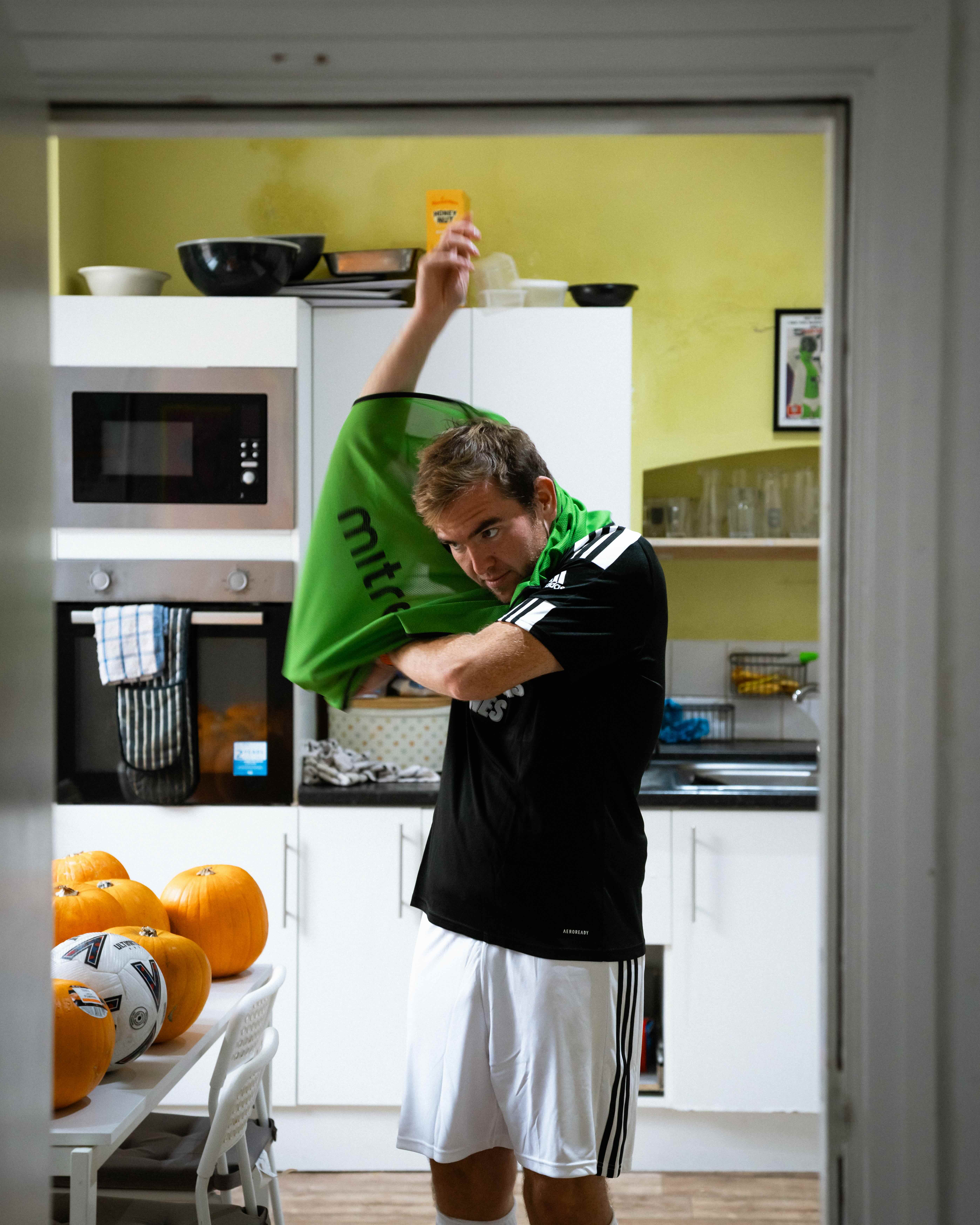
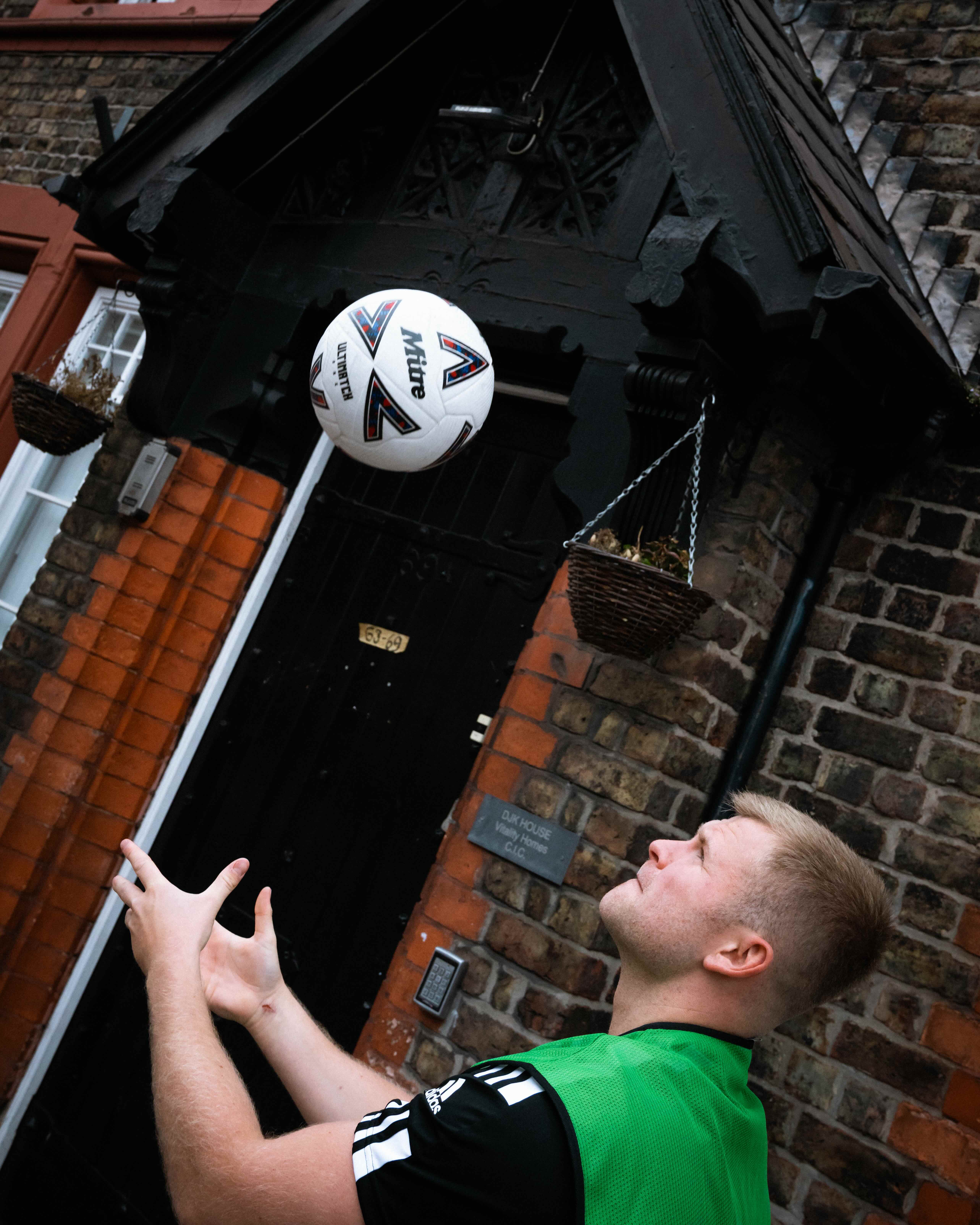
There’s no opting out of the game— not that anyone wants to. If you’re injured, grab a camera. If you’re not into taking photos, you’re the ref. If that’s not for you, make sure you’ve washed the bibs, and sorted all the balls out. You get it?
Addiction is about separation. Recovery is about connection. Here, we make an effort to join in. Our lives depend on it. This stage is about rewiring the brain. No opting out because you can’t be arsed. No giving it a miss because you’re tired. We’re a team, and we all have to step it up a bit. The game itself is about inclusivity. We’re all at different levels, playing-wise. Some really talented players. Some have never kicked a ball before. Some even like rugby. But we all seem to get the same buzz off it and we work hard to make it happen no matter what. Not enough players? Pitch double booked? Bibs not been washed? Ball’s gone over the wall? We’ll find a way. There’s no crazy slide tackles. No screaming at each other. Just the power of running around for an hour, getting a sweat on, with your mates, and scoring a few brilliant goals.
Perhaps the only thing capable of ruining our Thursday afternoon is the weather, particularly during rainy and icy months. We can adapt and sort another activity out but when football is cancelled, a vital cog in our recovery wheel has been removed. And if we’re not as focused as we need to be, more cogs can be subconsciously removed, too. I’m not saying that being unable to play football on a Thursday leads to relapse. It doesn’t. However, it does interrupt routine and structure. It’s one less bit of exercise as well, and less time doing something with your mates.
No more buzzing off wild free-kick routines, and while we could find other ways to amuse ourselves, this is not enough. Our whole ethos is based around art, sport and culture, underpinned by an uncomfortable look in the mirror. Football is key to that, but there is nothing we can do about the weather. It’s at least a lesson in acceptance.
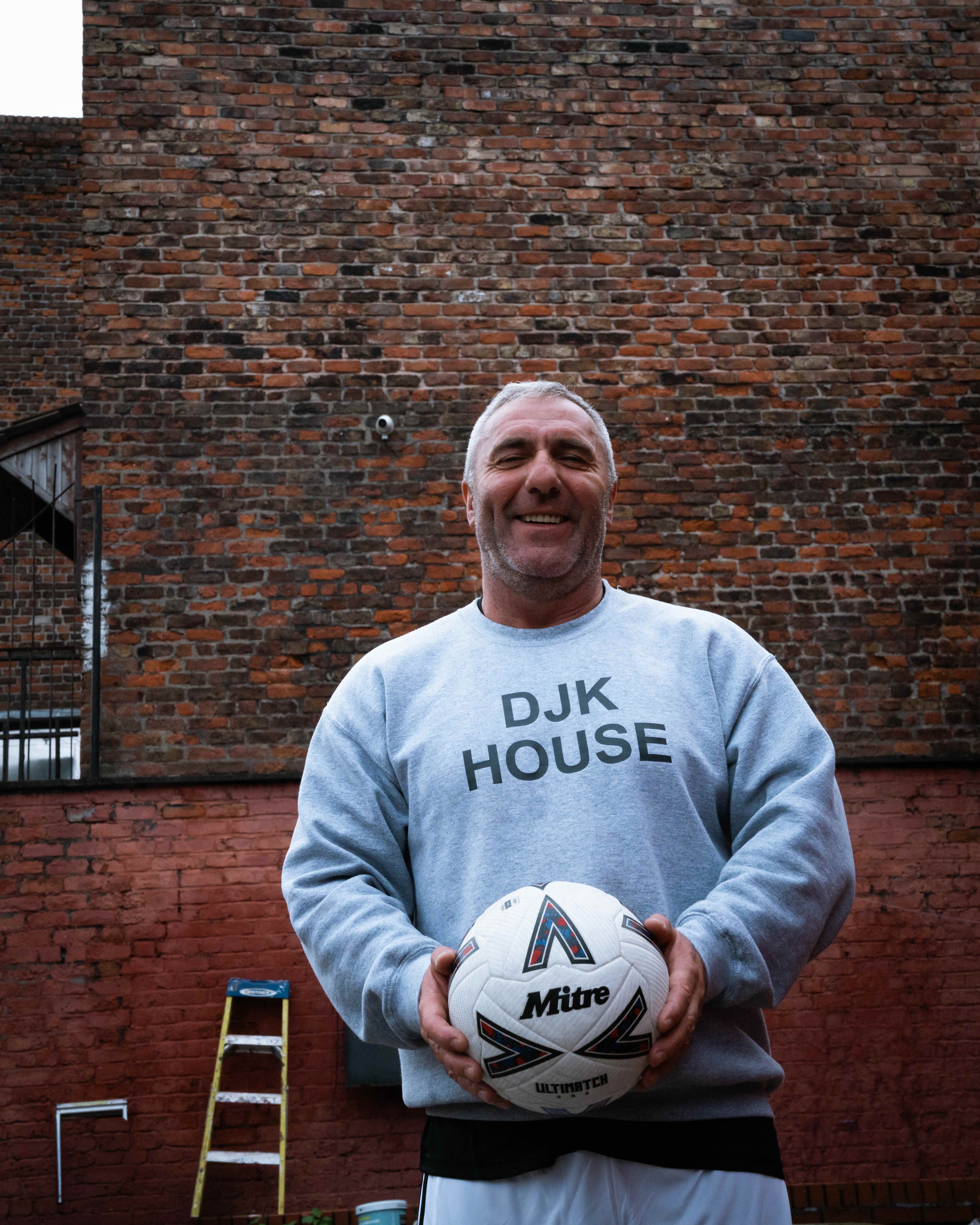
We’re lucky that we don’t really get long bouts of extreme weather here (yet?). If we did though, and our games became sporadic, it would definitely hinder our progress in recovery. Of course, people can recover without playing football. Most do, in fact. But everyone needs access to the things they enjoy and we enjoy playing football, if you hadn’t guessed. We need to look after ourselves, our environment and surroundings. It’s just common sense, really.
Here’s just one more example of how football can change lives. It’s February 2026. We’re playing our usual game, and noticed a fella watching us from the street. He looked engrossed. We were a player down, so invited him to join us. It quickly became apparent that English wasn’t his first language. We managed to communicate enough to find out that he’d recently arrived as a refugee from Gaza. He absolutely loved football and knew how to play. Since then, he’s become our friend. We make sure he’s kitted out in quality gear. He’s been to the cinema and theatre for the first time in his life. I’ve taken him to Everton’s new stadium a few times. One time, he even went in the lounge and enjoyed a seven course meal (thanks, Jimmy). He’s now got a bike, safety, friends, a sense of belonging and is holding onto hope.
Imagine if our game would’ve got called off due to the weather that day?
Words: PJ Smith
Images: Jonathan Frederick Turton


CUI – Count Us In Limited is registered in England under company number 13199784, and operates as Count Us In under charity number 1195686.